Nuloom Outdoor Rugs
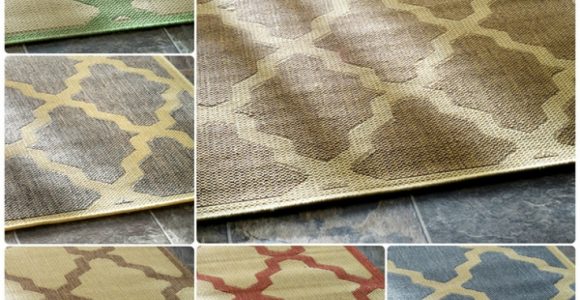



Nuloom Outdoor Rugs with pictures released for to offer the concepts to influence enhancing your home. This post of Nuloom Outdoor Rugs have of our collection pictures as well as gallery for embe...
Nuloom Outdoor Rugs with pictures released for to offer the concepts to influence enhancing your home. This post of Nuloom Outdoor Rugs have of our collection pictures as well as gallery for embe...
A narrow strip beside a boundary fence can be one of the most awkward areas to landscape. It often receives uneven sunlight, collects leaves, and becomes difficult to mow or water. River rock offers a practical way to define this space while adding texture, colour and a clean transition between the fence and the rest of the garden.
Rounded stones work particularly well in Australian residential landscapes because they suit informal coastal gardens, modern courtyards and native planting schemes. They can also create a durable surface around sheds, patios, retaining walls and side access paths when the ground is prepared correctly.
The best result comes from treating the rock garden as a designed feature rather than simply tipping gravel along the boundary. Width, drainage, edging, plant selection and the relationship with nearby paving all affect whether the finished area looks intentional.
A fence-line garden can also contribute to a more cohesive outdoor living space. Repeating materials between a patio, seating area and garden border helps connect different zones, much as choosing the right scale guide helps a dining room feel balanced.
Begin by measuring the available strip and observing it at different times of day. A space beside a Colorbond fence may become hot and reflective in western-facing gardens, while a timber boundary under established trees can remain cool and damp. These conditions will influence both stone colour and plant selection.
For a simple decorative border, allow around 500 to 800 millimetres between the fence and lawn or paving. A wider band gives you room for layered planting and makes maintenance easier. If the area is also used as a side passage, increase the width and use compacted gravel beneath the river rock for a more stable walking surface.
Keep the line visually consistent, even if the fence changes direction. A sweeping curve can soften a long suburban boundary, while a straight edge usually suits contemporary gardens and narrow courtyards. Mark the proposed shape with a hose or marking paint before digging so you can assess its relationship with windows, gates and outdoor furniture.
The boundary should not become an afterthought in a larger renovation. A polished fence-line treatment can support the style of an entertaining area, especially when its colours echo nearby paving, outdoor rugs or rendered walls. Design references from French Creative can also help you consider how texture and proportion work across connected indoor and outdoor spaces.
River rock is available in a range of sizes, from small pebble blends to larger rounded stones several centimetres wide. Smaller gravel creates a finer, more formal appearance and is easier to rake into place. Larger stones make a stronger visual statement but may be uncomfortable underfoot and can be harder to move when planting or repairing irrigation.
Choose colours that respond to the existing architecture. Pale cream and grey stones brighten shaded areas and pair well with white render, sandstone and pale timber. Charcoal, brown and mixed earthy tones are useful around red brick, dark fencing and Australian native plants. Ask local landscape suppliers about washed river pebbles, as stone sold for decorative use should be clean and reasonably consistent in size.
Edging prevents the rock from migrating into lawn beds and keeps grass runners from spreading through the stones. Steel edging creates a crisp modern border, while treated timber, recycled plastic and concrete pavers offer different visual effects. In a relaxed garden, larger flat stones can form a natural-looking edge, although they should be bedded securely to prevent movement.
Avoid placing river rock directly against painted timber or untreated steel fencing. Leave a small inspection gap where practical, allowing air to circulate and making it easier to check for pests, rot or corrosion. The gap also prevents wet stones from sitting constantly against the base of the fence.
Good preparation is the difference between a tidy pebble border and a weedy, uneven strip. Remove existing grass, roots and loose organic material, then excavate the area to create a shallow, even basin. The required depth depends on the stone size, but 75 to 100 millimetres is common for a decorative layer over a prepared base.
Lay a quality geotextile or woven landscape fabric over the soil to reduce weed growth. Overlap joins generously and secure the fabric with landscape staples. Do not rely on thin plastic sheeting, which can trap water, deteriorate in strong sunlight and interfere with soil health if plants are included in the design.
The rock bed should drain away from the fence and house. Never use river rock to conceal a low point where stormwater naturally collects. If the fence sits near a downpipe, install a proper drainage solution such as a grated channel, soakwell or directed outlet rather than allowing roof water to wash stones into the garden.
In areas with reactive clay soils, common across parts of Melbourne and Adelaide, movement can make edging and paving shift over time. A compacted road-base layer beneath the stone may improve stability, particularly beside a frequently used path. Local soil conditions and slope should guide the depth and construction method.
Planting breaks up the hard surface and prevents a river-rock border from appearing stark. Use groups of plants rather than scattering individual specimens evenly along the fence. Repetition creates rhythm and makes a narrow bed look more deliberate.
For sunny Australian gardens, consider lomandra, dianella, westringia, coastal rosemary, kangaroo paw and hardy native grasses. In partial shade, mondo grass, bird’s nest fern, clivia and certain correas may perform better, depending on local conditions. Choose species suited to your state’s climate rather than assuming every native plant will thrive everywhere.
Leave open space around each plant so mature foliage can spread without constantly covering the stones. A small planting pocket filled with compost-rich soil is usually better than covering the whole area with rich soil, which can encourage weeds throughout the rock bed. Keep mulch away from the fence and use it selectively around plants rather than across the entire pebble surface.
Watering is another reason to plan carefully. Drip irrigation beneath the stones delivers water to plant roots with less evaporation, which is useful during hot Perth summers or dry periods in regional New South Wales. Check current local water restrictions before installing or adjusting irrigation, as rules can vary between councils and states.
Australian outdoor spaces need materials that cope with intense ultraviolet exposure, sudden rainfall and long dry periods. Dark stones can become very hot beside west-facing fences, while pale stones may show leaf litter and dust more clearly. Visit a landscape yard and view samples in natural light before ordering a bulk load.
Bushfire-prone properties require extra care. River rock is non-combustible, but dry leaves, bark mulch and dense shrubs can collect within the border and create a maintenance problem. In bushfire risk areas, follow guidance from your state fire authority and keep combustible vegetation managed around fences, decks and buildings. The fence material itself may also affect the overall risk.
Council rules can apply when a project changes drainage, raises ground levels or affects a shared boundary. Retaining walls, front boundary works and structures near easements may need approval, particularly in parts of Sydney, Brisbane and Melbourne. Check with your local council before digging near services or altering stormwater flow.
The local market also affects the best choice. Major hardware chains sell bagged decorative pebbles for small borders, while landscape suppliers can deliver bulk river rock at a lower cost per cubic metre for longer fence lines. Compare the delivered price, stone size and source, because a cheap material can become expensive if it requires repeated top-ups or arrives full of dust.
A well-built rock garden is easier to maintain when decisions are made before the first stone is delivered. Work through the site gradually, checking levels and the appearance from inside the house as well as from the yard. This is especially important beside living-room windows, where the fence-line treatment may be visible every day.
Aim for a finish that looks natural but remains practical. Stones should stay in place after rain, plants should have enough room to mature, and the boundary should remain accessible for painting, repairs and cleaning. The following steps provide a reliable starting point:
River rock is low maintenance rather than maintenance-free. Wind, pets, heavy rain and garden work can displace stones, while leaf litter will eventually break down between them. A seasonal tidy-up, occasional weed removal and a small quantity of matching replacement stone will keep the border looking fresh.
A carefully designed fence-line border can make a narrow side yard feel finished, improve drainage around key areas and give planting a strong visual frame. Select materials that suit the climate, build a stable base and allow enough room for plants and future fence maintenance. Start by marking the layout and sourcing a small sample of stone, then develop the full installation once the colour, scale and practical details feel right.

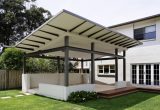



Awning definition, What is an awning? An awning is a cover made from canvas to sanctuary individuals or things from rain or sunlight, usually one will certainly use words awning about a roof-l...





Frontgate outdoor rugs. These days embellishing does not have to be regarding custom-made, it could be regarding where to discover it currently and also exactly how to make it function for you. T...


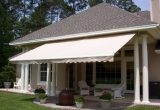


Retractable awning prices is influenced in various other means, too. On-line assemblers bill delivery costs, however this is more than balanced out by the reality they don't charge sales tax (bes...

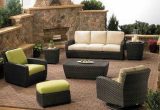



bed bath and beyond outdoor rugs (additionally called location rugs) not just include to the appearance of a space, yet likewise develop a setting including form, shade, and structure. Residence ...