Nuloom Outdoor Rugs
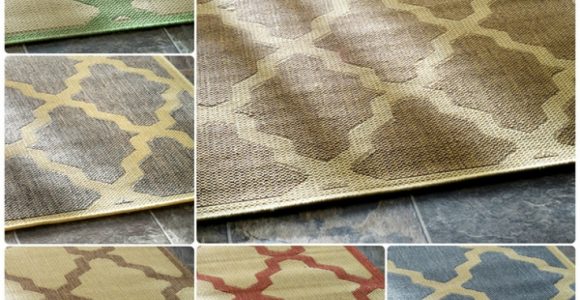



Nuloom Outdoor Rugs with pictures released for to offer the concepts to influence enhancing your home. This post of Nuloom Outdoor Rugs have of our collection pictures as well as gallery for embe...
Nuloom Outdoor Rugs with pictures released for to offer the concepts to influence enhancing your home. This post of Nuloom Outdoor Rugs have of our collection pictures as well as gallery for embe...
A beautiful yard does not have to depend on constant watering, weekly mowing, or a long list of chemical treatments. Landscaping with native plants gives homeowners a practical way to create attractive outdoor rooms that suit the local climate, soil, and wildlife. Once established, many regional species can thrive with less intervention than ornamental plants imported from distant environments.
Native planting also supports a more natural relationship between the garden and the surrounding landscape. Flowering perennials, grasses, shrubs, and small trees can provide seasonal color, shade, screening, and habitat while reducing the maintenance burden. The result is an outdoor space that feels designed rather than neglected.
A low-maintenance garden still needs planning. The right plants must be matched to sunlight, drainage, mature size, and the way the space will be used. With a thoughtful layout, even a compact suburban yard can include a welcoming patio, a soft planting border, and useful areas for entertaining or relaxing.
Before buying plants, observe the site through a full day if possible. Note which areas receive morning or afternoon sun, where water collects after rain, and which corners dry out quickly. Existing trees, fences, walls, and buildings can create shade and wind protection, while paving may reflect heat into nearby beds.
A simple soil test can reveal whether the ground is acidic, alkaline, sandy, or heavy with clay. Native species are not automatically suited to every position simply because they belong to the same region. A plant adapted to wet woodland may struggle in a dry, sunny border, so select varieties according to their natural habitat as well as their geographic origin.
It is also useful to identify the amount of care you are willing to provide. A garden designed for occasional weekend work should use spreading ground covers, long-lived perennials, and shrubs with a tidy mature form. Avoid filling every available space immediately; allowing room for growth prevents future pruning and overcrowding.
A successful native garden benefits from the same visual structure used in interior design. Taller canopy trees or small ornamental trees create height, medium shrubs define boundaries, and low perennials or grasses soften the ground plane. This layered approach makes a property feel established while giving each plant enough space to perform well.
Use trees selectively near patios, paths, and windows. Deciduous varieties can provide cooling summer shade while allowing winter sunlight through, whereas evergreen shrubs can offer privacy throughout the year. Choose species with non-invasive root systems near paving, retaining walls, and foundations, and check the expected spread before planting.
Ground covers are valuable for reducing exposed soil and suppressing weeds. Native sedges, creeping perennials, and low-growing grasses can replace sections of thirsty lawn, especially in areas that are difficult to mow. A defined edge around these planting zones keeps the composition neat and makes the low-maintenance approach look intentional.
A garden can lose its appeal when every plant blooms during the same short period. Combine spring flowers, summer perennials, autumn foliage, ornamental seed heads, and winter bark or evergreen texture. This creates a changing display without relying on annual bedding plants that need frequent replacement.
Native flowers are particularly useful when they provide pollen, nectar, berries, or seeds. Select a mix of bloom shapes and heights to support different pollinators, and leave some faded stems standing through winter where they do not obstruct paths. Birds may feed on the seed heads, while hollow stems and leaf litter can shelter beneficial insects.
Color should be balanced with texture. Fine grasses can sit beside broad-leaved perennials, while a sculptural shrub can anchor a relaxed cottage-style border. Repeating a few dependable species throughout the garden creates cohesion and avoids the scattered look that can result from collecting too many individual plants.
Native planting should support the way your household uses the garden. Frame a patio with fragrant shrubs, create a shaded seat beneath a small tree, or use a planted boundary to make an outdoor dining area feel private. Low plants near walkways can soften hard landscaping without spilling into the route.
Leave enough clear space around furniture, grills, gates, and storage areas. Plants that attract bees are welcome near many seating areas, but strongly scented or heavily visited species may be better placed slightly away from dining tables and doorways. In high-traffic zones, durable paving and a carefully chosen outdoor rug guide can add comfort without sacrificing practicality.
Drainage deserves attention around patios and paved paths. Rain gardens, gravel strips, and planted swales can slow runoff and prevent water from pooling beside the house. These features can be attractive design elements when edged with stone, timber, or neatly clipped low planting.
The most efficient gardens place the right plant in the right location. Group species with similar water needs together so irrigation is easier and overwatering is less likely. Once plants are established, deep and occasional watering is usually more beneficial than frequent shallow watering, although local weather and soil type should guide the schedule.
Mulch helps conserve moisture, moderate soil temperature, and reduce weed growth. Use a two- to three-inch layer of organic mulch around plants, keeping it slightly away from trunks and crowns to prevent rot. Leaf mold, compost, or shredded bark can gradually improve soil structure as they break down.
Lawn is often the largest maintenance demand on a residential property. Replacing even part of it with native meadow planting, shrubs, or a permeable seating area can reduce mowing and irrigation. Keep a smaller lawn where it has a clear purpose, such as children’s play, pets, or an open view across the yard.
Different landscape approaches can all be attractive, but they vary in upkeep, cost, and suitability for a particular property. A formal border may complement a traditional home, while a meadow-style planting can work better on a larger, informal site. The best choice is the one that reflects the architecture and the time available for care.
| Planting approach | Best use | Maintenance needs | Design character |
|---|---|---|---|
| Native shrub border | Privacy, screening, and property edges | Low after establishment; occasional pruning | Structured and evergreen or seasonal |
| Pollinator perennial bed | Patios, front gardens, and sunny borders | Moderate seasonal cutting and division | Colorful, lively, and layered |
| Native meadow area | Larger lawns and open side gardens | Low mowing; periodic clearing | Relaxed and naturalistic |
| Woodland planting | Shady areas beneath trees | Low once established; leaf management | Calm, textural, and shaded |
| Rain garden | Low points and areas receiving runoff | Occasional weeding and seasonal trimming | Functional, ecological, and sculptural |
Small properties often benefit from a combination rather than a single style. A narrow shrub border can screen a fence, while a few flowering perennials add seasonal interest beside the patio. Homeowners who want more ideas for comfortable, attractive residential spaces can explore French Creative for related interior and outdoor design inspiration.
Native landscaping does not need to look untamed. Clear edges, repeated plant groupings, and a restrained material palette can give an ecological garden a polished appearance. Steel edging, brick borders, gravel paths, or large-format pavers help define the transition between planted areas and circulation zones.
Use repetition to create rhythm. Three or five plants of the same species will usually make a stronger visual impression than several unrelated single specimens. Repeat colors or leaf forms near the front and rear of the garden so the eye moves naturally through the space.
Maintenance can then focus on simple seasonal tasks: removing damaged growth, cutting back selected perennials, checking young trees, and refreshing mulch. Avoid excessive tidying in autumn if the garden supports birds and insects. A little retained leaf litter or standing seed structure can provide ecological value while still looking deliberate when confined to defined beds.
The following decisions can make a noticeable difference to both appearance and workload:
Plan in stages if the budget or available time is limited. Begin with trees, drainage, and the main circulation routes, then add shrubs and perennials over successive seasons. This approach makes it easier to see what the site needs before committing to a complete planting scheme.
A seasonal planting record can also prevent unnecessary purchases. Write down what flowers when, which areas remain too wet or dry, and where maintenance takes longer than expected. Each year, replace weak performers with better-matched native alternatives rather than trying to force them to survive.
Native plants can transform a residential garden into a more comfortable, resilient extension of the home. With careful site assessment, layered planting, practical surfaces, and modest seasonal care, homeowners can enjoy shade, privacy, wildlife, and color without creating a demanding outdoor routine.
Start with one border, lawn edge, or patio planting zone and design it around the conditions already present. Choose a few dependable species, give them room to mature, and build outward as the garden develops. The result will be a landscape that looks considered today and becomes more rewarding with every season.

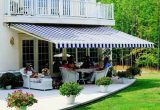
Awning definition, What is an awning? An awning is a cover made from canvas to sanctuary individuals or things from rain or sunlight, usually one will certainly use words awning about a roof-l...
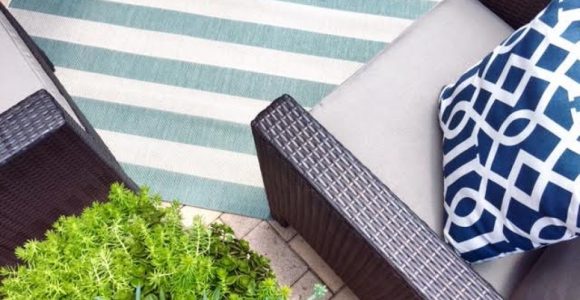



Frontgate outdoor rugs. These days embellishing does not have to be regarding custom-made, it could be regarding where to discover it currently and also exactly how to make it function for you. T...

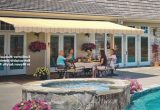
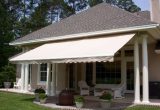


Retractable awning prices is influenced in various other means, too. On-line assemblers bill delivery costs, however this is more than balanced out by the reality they don't charge sales tax (bes...

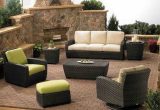

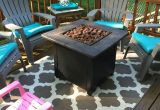
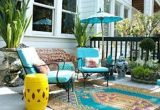
bed bath and beyond outdoor rugs (additionally called location rugs) not just include to the appearance of a space, yet likewise develop a setting including form, shade, and structure. Residence ...