Nuloom Outdoor Rugs
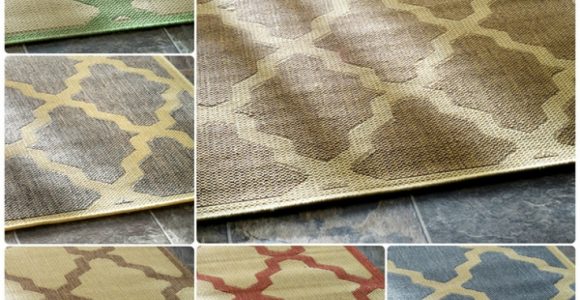



Nuloom Outdoor Rugs with pictures released for to offer the concepts to influence enhancing your home. This post of Nuloom Outdoor Rugs have of our collection pictures as well as gallery for embe...
Nuloom Outdoor Rugs with pictures released for to offer the concepts to influence enhancing your home. This post of Nuloom Outdoor Rugs have of our collection pictures as well as gallery for embe...
A garden can provide fresh food without looking like a small farm. With thoughtful planning, edible plants can become part of the landscape’s structure, colour palette, and seasonal rhythm. Fruit trees can frame a patio, herbs can soften a pathway, and leafy vegetables can fill decorative raised beds with texture and movement.
The most successful edible gardens treat productivity and appearance as connected goals. Plants are selected for their harvest, but also for their height, foliage, flowers, scent, and compatibility with the surrounding home. This approach creates an outdoor living space that feels designed rather than purely functional.
Good planning also makes maintenance easier. When vegetables, fruit, and culinary herbs are positioned near the kitchen, patio, or outdoor dining area, harvesting becomes part of everyday life. Materials such as paving, fencing, planters, and awnings can then support both the garden’s visual identity and its practical use.
Begin by dividing the outdoor space into areas with distinct purposes. A sunny border may hold tomatoes, peppers, strawberries, and climbing beans, while a shaded corner can support herbs, salad leaves, or currants. A central lawn or patio can remain open for seating, entertaining, and children’s activities.
Think in layers when arranging plants. Taller fruit trees or climbing crops should sit toward the back or along boundaries, medium-height vegetables can occupy the middle, and low-growing herbs or edible flowers can edge paths. This tiered layout gives the garden depth while ensuring that each plant receives suitable light.
Permanent features can make the design feel polished. Raised beds create clear lines and improve soil control, while trellises provide support for vines and screen unattractive walls. A low fence may define the growing area without making it feel separated from the rest of the garden.
Edible planting offers a surprisingly broad design palette. Chard brings vivid red, yellow, and pink stems, while purple kale and burgundy lettuce add depth to green borders. Strawberries can spill over the edges of containers, and blueberry bushes contribute spring flowers, summer fruit, and strong autumn colour.
Herbs are particularly useful in ornamental landscaping because many have attractive foliage and flowers. Lavender, rosemary, sage, thyme, and bronze fennel can fill sunny beds with scent and structure. Chives produce rounded purple blooms, and flowering basil can attract pollinators while remaining useful in the kitchen.
Edible flowers can bridge the gap between decorative and productive planting. Nasturtiums trail over walls and containers, calendula adds warm colour, and borage produces blue star-shaped flowers. Use these plants in moderation beside ornamental perennials so the border remains visually balanced rather than becoming a collection of unrelated crops.
Fruit trees also deserve careful placement. Apple, pear, plum, and cherry trees can act as focal points, but their mature size and pollination needs must be checked before planting. Compact or trained varieties are often better suited to smaller gardens, especially when grown against a sunny wall as cordons, fans, or espaliers.
The materials around edible planting should withstand moisture, soil, frequent foot traffic, and changing weather. Natural stone, brick, concrete pavers, timber, and composite products can all work well when their colour and texture complement the planting scheme. Pale paving reflects light around darker foliage, while warm brick creates a traditional backdrop for herbs and fruit trees.
Paths should be wide enough for wheelbarrows and comfortable access during wet weather. A stable route between the kitchen door, compost area, greenhouse, and raised beds prevents muddy shortcuts across the lawn. Before choosing a surface, consider driveway paver choices, since durability, drainage, and visual character matter in garden paths as well as driveways.
Raised beds can be built from treated timber, brick, stone, or durable composite boards. Timber gives a relaxed natural appearance, while masonry offers permanence and stronger definition. Avoid materials that may leach harmful substances into the soil, and make sure the beds have enough width for easy planting and harvesting from both sides.
Containers allow productive gardening on patios, balconies, and paved courtyards. Use large pots for tomatoes, chillies, dwarf fruit trees, and herbs, combining different heights to create a layered display. Matching or coordinated containers help a small garden look intentional, particularly when the planting is positioned beside outdoor furniture.
| Garden Feature | Edible Plant Ideas | Design Benefit | Practical Point |
|---|---|---|---|
| Sunny raised bed | Salad leaves, chard, carrots, onions | Strong geometric structure | Use rich, well-drained soil |
| Patio containers | Herbs, tomatoes, strawberries | Adds colour near seating | Select pots with drainage holes |
| Boundary trellis | Beans, grapes, espaliered fruit | Creates height and privacy | Install sturdy supports before planting |
| Low border | Thyme, chives, calendula | Softens paths and paving | Keep growth away from walking surfaces |
| Small tree area | Apple, pear, plum, fig | Provides shade and a focal point | Check mature size and pollination |
| Shaded corner | Mint in containers, sorrel, currants | Uses an underworked space | Control spreading plants carefully |
The best edible gardens are designed around the way people use the property. Place salad leaves and herbs close to the kitchen for quick harvesting, and position fruit trees where their blossom can be enjoyed from a seating area. A dining terrace beside a productive border makes the garden feel connected to everyday routines.
Outdoor furniture can sit alongside planting without competing with it. A built-in bench near herbs creates a fragrant resting spot, while a dining table framed by grapevines or trained fruit trees gives the space a strong sense of enclosure. Keep paths and seating areas clear of prickly, thorny, or heavily spreading plants.
Shade and shelter are important for comfort as well as plant health. A pergola can support grapes, kiwi, or climbing beans, creating a living canopy over a seating area. An awning or gazebo offers protection for outdoor meals, while nearby containers can hold herbs that are easy to move according to the season.
Privacy planting can also be productive. Raspberries, currants, gooseberries, and espaliered fruit trees can soften fencing while providing harvests. In larger gardens, hazel, elder, or edible hedging plants may create a boundary with wildlife value. Always consider the spread, maintenance requirements, and potential thorns before placing these plants near paths or play areas.
Edible plants usually perform best in fertile soil with reliable drainage. Test the soil before creating beds, then improve it with well-rotted organic matter where necessary. Avoid planting in areas that remain waterlogged after rain, and use raised beds if the existing ground is compacted or contaminated.
Watering systems can preserve both plant health and time. Drip irrigation or porous hoses deliver moisture close to the roots and reduce water lost through evaporation. Connect the system to a rain barrel where possible, positioning storage near the growing areas so it is convenient to use.
Group plants with similar needs together. Mediterranean herbs such as thyme, rosemary, and sage prefer leaner, drier conditions than lettuce or courgettes. Keeping them in separate beds prevents overwatering and makes the garden easier to manage. Mulch can suppress weeds, protect soil moisture, and give planting beds a finished appearance.
Succession planting keeps the garden productive across the year. Fast crops such as radishes and salad leaves can be followed by beans or winter greens, while perennial herbs and fruit bushes provide continuity. Choose a realistic number of crops rather than filling every available space; an overcrowded garden becomes difficult to harvest and more vulnerable to disease.
A productive garden benefits from pollinators and other helpful wildlife. Flowers such as calendula, nasturtium, borage, and lavender provide nectar, while shallow water sources and sheltered spaces encourage beneficial insects. Avoid placing heavily scented or flowering plants so close together that air circulation becomes poor.
Birds can be welcome visitors, although they may also compete for berries and fruit. Netting, fruit cages, or protective fleece can reduce losses without relying on harmful deterrents. Choose systems that allow easy access for harvesting and avoid loose netting that could trap wildlife.
Companion planting can add variety and help use space efficiently, although it should support rather than replace sound soil care and crop rotation. Marigolds, herbs, and flowering plants can attract beneficial insects around vegetable beds. Leave enough space between crops for airflow, inspection, and harvesting.
A composting area completes the cycle of a productive landscape. Position it somewhere accessible but discreet, perhaps behind a screen or beside a shed. Reusing garden cuttings and suitable kitchen waste can improve soil fertility while reducing the amount of organic material sent away from the property.
Seasonal planning prevents the garden from becoming empty once summer crops finish. Evergreen herbs, fruit-tree branches, ornamental grasses, winter brassicas, and persistent seed heads can provide structure during colder months. Containers can be refreshed with hardy herbs, small shrubs, or seasonal flowers.
Colour should be distributed rather than concentrated in one area. Repeat the tones of foliage, paving, fencing, and outdoor furniture so the garden feels cohesive. For example, copper chard stems might echo a brick wall, while grey-green sage can complement silver paving or painted timber.
Use edging to contain vigorous plants and make maintenance predictable. Metal strips, brick borders, stone lines, or timber boards can separate planting beds from lawns and paths. Clean edges create a strong contrast with informal foliage and make even a small garden appear more carefully finished.
Harvesting should remain simple. Keep tools near the beds, use labels where varieties look similar, and leave enough room to reach the centre of each planting area. A beautiful edible landscape earns its place when people can gather food easily and continue enjoying the garden as a comfortable outdoor room.
Choose a few productive areas to develop first, such as a herb border beside the kitchen, a raised vegetable bed near the patio, or a fruit tree along a sunny boundary. Select materials that suit the home, plan for mature plant sizes, and give every feature a practical role. With steady seasonal care, the result will be a garden that supplies fresh ingredients while adding colour, shade, fragrance, and character to everyday outdoor living.


Awning definition, What is an awning? An awning is a cover made from canvas to sanctuary individuals or things from rain or sunlight, usually one will certainly use words awning about a roof-l...





Frontgate outdoor rugs. These days embellishing does not have to be regarding custom-made, it could be regarding where to discover it currently and also exactly how to make it function for you. T...





Retractable awning prices is influenced in various other means, too. On-line assemblers bill delivery costs, however this is more than balanced out by the reality they don't charge sales tax (bes...

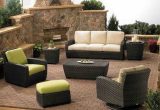



bed bath and beyond outdoor rugs (additionally called location rugs) not just include to the appearance of a space, yet likewise develop a setting including form, shade, and structure. Residence ...