Nuloom Outdoor Rugs
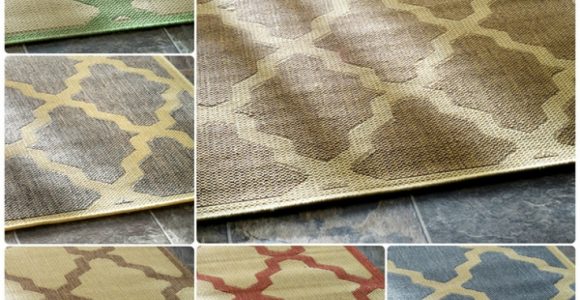



Nuloom Outdoor Rugs with pictures released for to offer the concepts to influence enhancing your home. This post of Nuloom Outdoor Rugs have of our collection pictures as well as gallery for embe...
Nuloom Outdoor Rugs with pictures released for to offer the concepts to influence enhancing your home. This post of Nuloom Outdoor Rugs have of our collection pictures as well as gallery for embe...
Decorative stone can give a garden structure, character, and a finished appearance without overwhelming planting or architectural features. From a narrow path beside the house to a generous patio border, the right aggregate creates visual links between paving, fencing, furniture, and the surrounding landscape.
Color and texture deserve equal attention. A stone may look attractive in a display yard but appear too bright in strong sunlight, too flat beside smooth paving, or too rough around a seating area. Considering the whole property helps create an outdoor space that feels intentional rather than assembled from unrelated materials.
The best landscape designs also balance appearance with practical needs. Drainage, foot traffic, maintenance, accessibility, and local weather all influence which decorative gravel, pebbles, or stone chippings will perform well. A carefully chosen material can improve curb appeal while making outdoor living easier to use.
A contemporary garden often benefits from clean-edged aggregates such as charcoal basalt, pale granite, or evenly graded limestone. Their consistent size supports geometric planting beds, concrete paving, rendered walls, and streamlined furniture. A restrained palette of two or three materials usually looks more sophisticated than many competing colors.
For a cottage-style or informal garden, rounded river stones, warm sandstone, and mixed gravel create a softer appearance. Their irregular tones work well with flowering borders, timber edging, climbing plants, and winding paths. Reclaimed stone can add a sense of age, although it should be checked for sharp edges and staining before installation.
Mediterranean-inspired spaces suit warm beige, terracotta, ochre, and cream aggregates. These shades reflect sunlight and pair naturally with drought-tolerant plants, tiled seating areas, and rendered walls. In shaded gardens, lighter stone can also help brighten the ground plane, while darker materials make green foliage appear richer and more saturated.
Stone color changes according to weather, light, and moisture. Pale limestone may look almost white at midday but take on a soft gray tone when wet. Dark slate can appear dramatic in shade and considerably hotter in full sun. View samples outdoors at different times before ordering a large quantity.
Look at the fixed colors already present around the home. Brickwork, roof tiles, exterior render, fences, and paving should guide the stone palette. Warm wall colors generally sit comfortably with tan, rust, honey, and cream aggregates, while cool gray or blue-based architecture tends to suit slate, silver granite, and blue-gray gravel.
A tonal scheme uses several shades from the same color family, producing a calm and spacious effect. A contrasting scheme uses a noticeable difference, such as pale pebbles beside dark paving, to define a border or make a feature stand out. Contrast is useful, but it works best when repeated elsewhere through planters, cushions, outdoor rugs, or architectural details.
Texture affects both the visual character and the practical experience of a landscape. Rounded pebbles feel relaxed and natural, while angular chippings lock together more effectively underfoot. Fine gravel creates a neat surface but can travel into lawns and interiors, so edging is especially important.
The scale of the stone should relate to the size of the area. Large cobbles can look impressive around a broad driveway or water feature but appear clumsy in a narrow border. Small gravel suits compact paths and planting beds, although very fine material may compact or become muddy if drainage is poor.
| Stone material | Typical appearance | Useful applications | Points to consider |
|---|---|---|---|
| Granite chippings | Gray, silver, or pink; angular | Paths, borders, driveways | Hard-wearing and stable, but may feel formal |
| Slate | Charcoal, blue-gray, or purple; flat pieces | Contemporary beds, water features | Dark color absorbs heat and can show dust |
| Limestone | Cream, beige, or pale gray | Borders, courtyards, Mediterranean gardens | Can weather and discolor in damp conditions |
| River rock | Smooth, rounded, naturally mixed | Dry streams, pond edges, informal beds | Less stable for walking and may shift |
| Gravel | Fine to medium, many colors | Paths, patios, drainage zones | Needs a secure edge and occasional raking |
| Sandstone | Warm tan, red, or buff; layered texture | Rustic gardens, seating areas, retaining details | Porous varieties may require cleaning and sealing |
Combining materials can add depth when each has a distinct role. For example, flat slate may form a dark visual anchor around a pale gravel bed, while rounded river rock can soften the transition beside planting. Keep the number of textures controlled so the landscape still has a clear visual rhythm.
Paths need a material that feels secure underfoot and remains manageable after rain. Angular gravel with a compacted sub-base is generally more stable than smooth pebbles. For frequently used routes, consider resin-bound gravel, stepping stones, or pavers with decorative stone placed between them. These options reduce movement and make the route easier for children, older adults, and people using mobility aids.
A proper base is essential. Remove soft topsoil, install a suitable geotextile membrane where appropriate, and compact the sub-base before adding the visible aggregate. The membrane can reduce weed growth, but it does not replace good drainage or careful preparation. A strong edge made from metal, brick, timber, or concrete keeps stone contained.
In planting beds, decorative aggregate can suppress some weeds, reduce soil splash, and slow moisture loss. Leave enough open soil around stems for healthy growth, and avoid piling stone against trunks or delicate crowns. Dark stone may raise surface temperatures, while light stone can reflect heat toward low-growing plants, so select plants with the conditions in mind.
Decorative stone becomes more effective when used to emphasize a feature rather than spread randomly across every available surface. A dry creek bed can guide rainwater through a garden, using larger rocks at bends and smaller gravel along the channel. This creates movement while helping manage runoff during heavy rainfall.
Around a fire pit, choose non-combustible stone and keep loose material level beneath seating. Large slabs or compacted angular aggregate provide a more dependable surface than deep rounded pebbles. Where a patio heater will be used, the right heater size should be considered alongside the stone layout so warmth reaches the seating zone without creating crowded circulation routes.
Raised beds, retaining walls, and water features offer further opportunities to layer texture. Rough-faced stone can contrast with smooth render, while polished pebbles add a reflective accent near water. Use larger pieces sparingly as focal points, positioning them so they look naturally embedded rather than simply placed on top of the soil.
Every stone surface needs some care, even when it is marketed as low maintenance. Leaves and organic debris should be removed before they decompose and stain the aggregate. A leaf blower, stiff broom, or gentle rake can keep paths tidy, but avoid scattering small stones into lawns and drainage channels.
Weather affects both appearance and stability. Freeze-thaw conditions can loosen poorly compacted surfaces, while intense sun may fade colored aggregates or make dark stone uncomfortably hot. In wet climates, choose free-draining materials and create a slight fall away from buildings. Keep gutters and drainage outlets clear so water does not wash stone into lower areas.
Weeds may appear when dust and plant matter accumulate between stones. Hand removal is often the safest approach near edible plants and wildlife-friendly beds. Replenishing displaced gravel every few years is normal, particularly on slopes or heavily used paths. A well-defined edge makes this task faster and prevents gradual migration.
The ground surface should support the way the garden is used. A dining area needs stable furniture legs, a lounge zone benefits from a comfortable walking surface, and a play area requires materials without sharp edges. Decorative stone can frame these zones, but it should not create trip hazards or make chairs difficult to move.
Color coordination can connect separate outdoor rooms. A slate border around a patio may echo charcoal fencing, while pale gravel beside a rendered wall can make a small courtyard feel more open. Repeating a material in modest amounts—around planters, along a path, or beneath a bench—helps the design feel cohesive.
Lighting changes the appearance of stone after sunset. Low-level fixtures can reveal the texture of rough rock, while concealed uplights create shadows behind larger boulders and ornamental grasses. For a secure and welcoming garden, these ideas for budget outdoor lighting can help position illumination around paths, steps, entrances, and seating areas without excessive glare.
Thoughtful stone selection can transform an ordinary garden into a more defined and comfortable extension of the home. Start with the function of each area, then refine the design through color, scale, and texture. By testing samples, preparing the ground properly, and repeating materials across connected spaces, you can create a landscape that remains attractive through changing seasons.
Use these principles when planning your next border, pathway, patio edge, or outdoor retreat, and choose decorative stone that supports both the look and the everyday life of your property.


Awning definition, What is an awning? An awning is a cover made from canvas to sanctuary individuals or things from rain or sunlight, usually one will certainly use words awning about a roof-l...





Frontgate outdoor rugs. These days embellishing does not have to be regarding custom-made, it could be regarding where to discover it currently and also exactly how to make it function for you. T...


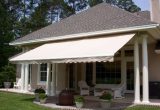


Retractable awning prices is influenced in various other means, too. On-line assemblers bill delivery costs, however this is more than balanced out by the reality they don't charge sales tax (bes...

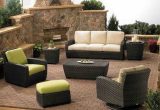



bed bath and beyond outdoor rugs (additionally called location rugs) not just include to the appearance of a space, yet likewise develop a setting including form, shade, and structure. Residence ...