Nuloom Outdoor Rugs
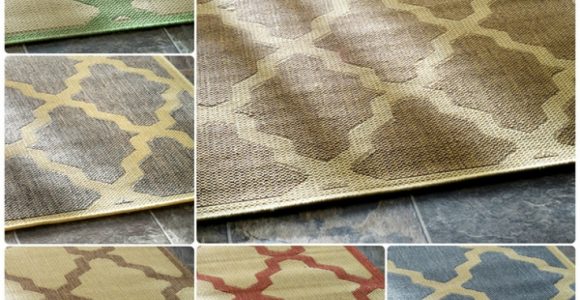



Nuloom Outdoor Rugs with pictures released for to offer the concepts to influence enhancing your home. This post of Nuloom Outdoor Rugs have of our collection pictures as well as gallery for embe...
Nuloom Outdoor Rugs with pictures released for to offer the concepts to influence enhancing your home. This post of Nuloom Outdoor Rugs have of our collection pictures as well as gallery for embe...
Outdoor furniture extends a home’s living space, but exposure to cold, moisture, wind, and fluctuating temperatures can shorten its useful life. A well-designed patio set may look sturdy, yet standing water, trapped humidity, frost, and sunlight can gradually damage frames, finishes, fabrics, and fasteners.
Winter preparation does not always mean moving everything into a heated room. The right approach depends on the furniture material, the severity of the local weather, and the storage space available. Some pieces can remain outside under breathable covers, while others need a dry indoor location or protected shed.
A careful seasonal routine also makes spring setup easier. Cleaning, drying, repairing, and storing each item correctly helps prevent mildew, rust, fading, cracked wood, and unpleasant odors. These practical steps keep outdoor rooms comfortable and attractive for longer.
Begin by checking every item for loose screws, cracked joints, damaged welds, peeling paint, and weakened feet. Winter is a poor time to discover that a chair needs repair, especially when replacement parts may be difficult to find. Tighten hardware and replace worn fittings before covering or storing the furniture.
Remove dust, leaves, pollen, and food residue with a soft brush. Wash metal, plastic, and resin furniture with mild soap and warm water, then rinse away any cleaner. Avoid harsh chemicals that can strip protective coatings or dull synthetic finishes. For teak and other hardwoods, follow the manufacturer’s care instructions rather than applying a general-purpose cleaner.
Allow every surface to dry fully. Moisture trapped beneath a cushion, inside a folded chair, or under a protective cover can encourage mold and corrosion. Choose a dry, breezy day for cleaning, and give thick materials extra time before packing them away.
Wooden furniture benefits from regular inspection and a suitable exterior finish. Sand rough patches lightly, remove flaking coating, and apply the recommended oil, stain, or sealant before winter if the manufacturer permits it. Do not seal damp wood, since the coating may trap moisture and cause discoloration or splitting.
Metal frames require special attention around joints, screws, drainage holes, and scratches. Remove surface rust with a suitable brush or treatment, then touch up exposed areas with exterior metal paint. Aluminum will not rust like steel, but it can still corrode or develop oxidation when dirt and standing water remain on the surface.
Wicker, rattan-look resin, and plastic furniture should be cleaned thoroughly and kept away from heavy snow or falling branches. Natural wicker is especially vulnerable to prolonged dampness, while synthetic wicker generally tolerates cold better. Even durable resin can become brittle when repeatedly exposed to freezing temperatures, so indoor storage is preferable where practical.
A garage, garden shed, enclosed porch, or basement can protect furniture from severe weather, but the space should be reasonably dry and ventilated. Do not push wet pieces tightly against a wall or stack them before they are completely dry. Leave enough room for air to circulate around frames and legs.
When indoor space is limited, prioritize the most vulnerable items. Cushions, upholstered seats, natural wicker, delicate wood, and furniture with moving mechanisms should come inside first. Heavier aluminum, powder-coated steel, and molded resin pieces may remain outdoors if they are elevated, covered, and positioned away from direct runoff.
The following guide provides a practical starting point, though manufacturer instructions should always take priority.
| Furniture Type | Preferred Winter Location | Main Protection | Common Risk |
|---|---|---|---|
| Teak or hardwood | Dry shed, garage, or sheltered patio | Clean, dry, and apply approved finish | Cracking, staining, and moisture damage |
| Powder-coated steel | Garage or covered outdoor area | Repair chips and use a breathable cover | Rust beneath damaged coating |
| Aluminum | Covered patio or shed | Clean, elevate, and cover loosely | Oxidation and wind damage |
| Synthetic wicker | Shed, garage, or protected patio | Brush clean and keep dry | Brittleness and trapped moisture |
| Plastic or resin | Covered area away from frost | Wash, stack carefully, and secure | Cracking in freezing weather |
| Cushions and upholstery | Dry indoor storage | Wash, dry completely, and use breathable bags | Mildew, odors, and fabric staining |
A storage cover should protect against dust without sealing in condensation. Breathable canvas or purpose-made outdoor furniture covers are usually safer than tightly wrapped plastic sheeting. If plastic is the only available option, open it periodically during dry weather and avoid placing it directly against damp furniture.
Cushions need their own winter care routine because foam and fabric can hold moisture long after the surface feels dry. Remove covers where possible and launder them according to the care label. Treat stains before storage, since heat and time can set grease, pollen, and food marks into the fibers.
Dry cushion inserts in a warm, ventilated place rather than relying solely on direct heat. Turn them several times so the inner foam dries evenly. Never store cushions in a sealed plastic bin while they still feel cool or damp. This creates a humid environment where mildew can spread unnoticed.
Once dry, place cushions in breathable fabric storage bags or clean cotton covers. Store them off the floor on a shelf or raised platform, away from leaks and pests. Avoid compressing them under heavy boxes, because prolonged pressure can distort foam and reduce comfort.
Outdoor curtains, parasols, hammock fabrics, and removable seat pads should receive similar treatment. Fold them loosely, keep them clean, and label storage bags if several fabrics look alike. A simple inventory prevents unnecessary handling and helps identify missing pieces when the patio is reopened.
Before covering furniture, arrange it so water can drain away and wind cannot easily move it. Fold tables only when the design allows it, and avoid creating unstable stacks. Chairs can often be nested, but place a soft barrier between painted surfaces if they may rub together.
Raise furniture legs slightly with weather-resistant risers, bricks, or purpose-made feet, provided the method is stable. Elevation reduces contact with wet paving and helps air move beneath the frames. It is particularly useful on patios where rainwater or melting snow tends to collect.
Select covers that fit closely enough to resist wind but leave room for ventilation. A cover that is too tight may rub against corners and damage finishes, while an oversized cover can collect water and flap against the frame. Secure straps beneath the furniture rather than relying on loose cords that may come undone.
Inspect covered furniture after storms. Clear leaves and snow before their weight strains the frame, and check for pooled water. A cover is a useful layer of protection, not a substitute for drainage, maintenance, or sensible placement.
Snow should be brushed away with a soft broom before it becomes heavy or freezes into a solid layer. Do not chip ice from delicate finishes with a sharp tool. If the area experiences strong winds, move lightweight furniture into a shed or tie it together in a stable group, while keeping pathways and drains clear.
Outdoor heating equipment, grills, and fire pits also need seasonal attention. Empty fuel containers according to local safety rules, clean ash from fire features, and store removable parts in a dry location. Gas appliances should be disconnected and checked as recommended by the manufacturer. Never store fuel in an unapproved indoor space.
Umbrellas should be closed, dried, and stored upright or horizontally in a secure location. Leaving an umbrella extended during a storm can damage the ribs and place unnecessary strain on the base. Detachable bases should be emptied of water where applicable and checked for cracks caused by freezing.
For broader ideas about creating a comfortable, well-planned home environment, explore French Creative alongside your seasonal furniture care routine. Thoughtful choices in paving, shade, planting, and storage can make outdoor spaces easier to maintain throughout the year.
Winterizing outdoor furniture and cushions works best as a short checklist rather than a rushed end-of-season task. Set aside a dry weekend to clean and inspect everything, then reserve a second check after the first major storm. This approach catches problems before moisture and freezing conditions cause serious damage.
Use these priorities when time or storage space is limited:
Keep care instructions, spare hardware, and cover labels together in one accessible container. Photographing furniture before storage can also help with reassembly and reveal changes in finish or condition when the items return outdoors.
A well-maintained patio is easier to revive when warmer weather arrives. Remove covers on a dry day, wash away winter residue, inspect every frame, and allow fabrics to air before use. Early maintenance prevents a small seasonal issue from becoming an expensive replacement.
Give your outdoor furniture the protection it needs before the next spell of cold weather. Clean each piece, dry every cushion, choose the right storage location, and secure breathable covers so your patio is ready for comfortable use when spring returns.


Awning definition, What is an awning? An awning is a cover made from canvas to sanctuary individuals or things from rain or sunlight, usually one will certainly use words awning about a roof-l...
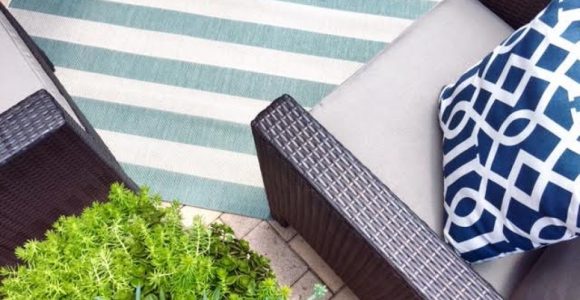




Frontgate outdoor rugs. These days embellishing does not have to be regarding custom-made, it could be regarding where to discover it currently and also exactly how to make it function for you. T...





Retractable awning prices is influenced in various other means, too. On-line assemblers bill delivery costs, however this is more than balanced out by the reality they don't charge sales tax (bes...



bed bath and beyond outdoor rugs (additionally called location rugs) not just include to the appearance of a space, yet likewise develop a setting including form, shade, and structure. Residence ...