Nuloom Outdoor Rugs
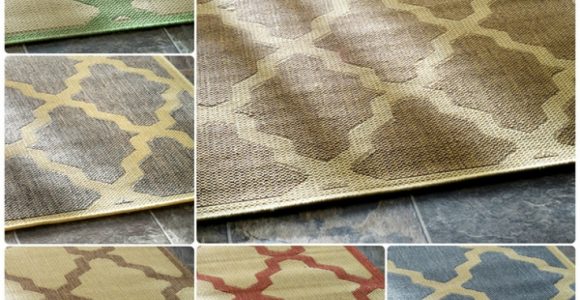



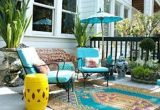
Nuloom Outdoor Rugs with pictures released for to offer the concepts to influence enhancing your home. This post of Nuloom Outdoor Rugs have of our collection pictures as well as gallery for embe...
Nuloom Outdoor Rugs with pictures released for to offer the concepts to influence enhancing your home. This post of Nuloom Outdoor Rugs have of our collection pictures as well as gallery for embe...
Natural stone pavers bring texture, color, and a sense of permanence to patios, paths, pool surrounds, and outdoor entertaining areas. Materials such as sandstone, limestone, travertine, slate, and granite each have different levels of porosity, so the right protection depends on the stone’s composition and the conditions around it.
Sealing helps reduce water absorption, staining, discoloration, and damage caused by repeated freezing or moisture exposure. It does not make paving completely maintenance-free, however. Good results come from combining a suitable sealer with careful preparation, correct application, and regular cleaning.
A well-maintained paved area can make an outdoor room feel as considered as an interior space. For wider inspiration on creating attractive residential spaces, browse French Creative alongside practical guidance on patios, landscaping, and outdoor furnishings.
Stone may look solid and impervious, but many paving materials contain tiny pores that allow water, oil, food spills, and organic debris to penetrate below the surface. Softer stones, including limestone and some sandstone, are especially vulnerable to marks and moisture-related deterioration. A pool deck or shaded path may remain damp for long periods, increasing the risk of algae and mildew growth.
A penetrating sealer absorbs into these pores and creates a degree of resistance without necessarily changing the appearance of the stone. This makes spills easier to remove and slows the movement of moisture through the paving. Some products also deepen the color or create a subtle “wet look,” while others leave the surface looking almost unchanged.
Sealing cannot correct structural problems. Loose pavers, cracked joints, poor drainage, and unstable bedding should be addressed first. If water sits on the surface or runs toward the building, improve the fall and drainage before applying any protective coating.
The most versatile choice for outdoor paving is usually a breathable, penetrating sealer. These products enter the stone rather than forming a thick layer over it, allowing some vapor to escape. They are suitable for many patios, garden paths, terraces, and driveways because they are less likely to peel or become visibly worn than surface coatings.
Water-based sealers generally have lower odor and are easier to clean up, making them convenient for residential projects. Solvent-based formulas can offer strong penetration and may enrich the appearance of porous stone, but they require better ventilation and careful handling. Always check the product label for approved stone types, expected coverage, curing time, and outdoor suitability.
Avoid selecting a product solely because it is labeled “high gloss” or “maximum protection.” A glossy film can become slippery when wet, especially near pools or outdoor showers. It may also highlight scratches and wear. For most residential paving, a natural-look or low-sheen finish provides a more timeless appearance and safer everyday surface.
| Sealer type | Best suited to | Appearance | Main consideration |
|---|---|---|---|
| Penetrating water-based | Porous patios and paths | Natural to slightly enhanced | Low odor and simple cleanup |
| Penetrating solvent-based | Dense or highly absorbent stone | Often deepens color | Needs ventilation and careful handling |
| Enhancing impregnator | Faded or muted stone | Richer, darker color | Test first because the change may be permanent |
| Film-forming coating | Selected decorative applications | Satin or glossy | Can peel, trap moisture, or become slippery |
| Color-enhancing sealer with grip additive | Pool surrounds and entertaining areas | Enhanced color with texture | Follow application limits closely |
Preparation determines much of the final result. Remove furniture, pots, rugs, and other objects from the area, then sweep thoroughly to lift sand, leaves, and loose grit. Clean the stone with a product approved for natural paving. Avoid strong acidic cleaners unless the manufacturer specifically confirms they are safe, as acids can etch limestone, travertine, and other calcium-based materials.
For general dirt, a pH-neutral stone cleaner and a stiff nylon brush are usually sufficient. A pressure washer may help with deeply embedded grime, but use a moderate setting and keep the nozzle far enough away to avoid damaging the stone or washing out jointing material. Treat oil, rust, paint, and biological growth with separate specialist products rather than repeatedly scrubbing the entire surface.
The paving must dry completely before sealing. Depending on the stone, weather, shade, and recent cleaning, this may take one to three days. Moisture trapped inside the pavers can cloud the finish, prevent proper absorption, or create patchy color. Cover nearby walls and plants when necessary, and make sure rain is not expected during the application and curing period.
Test the sealer on an offcut or hidden section first. This small trial reveals whether the product darkens the stone, changes its sheen, affects slip resistance, or produces an uneven result. It also helps establish how quickly the surface absorbs the formula. Some very porous stones need a second coat, while dense granite or slate may require much less product.
Apply the sealer in thin, even sections using the tool recommended by the manufacturer. A low-pressure pump sprayer, roller, or clean applicator pad may be suitable, depending on the formula. Work systematically from the farthest edge toward the exit, keeping a wet edge so that separate sections blend together.
Do not allow excess sealer to pool in depressions or remain wet on the surface longer than instructed. After the stated dwell time, remove residue with a clean, dry microfiber mop or cloth. Failure to buff away excess product can leave cloudy patches, tacky areas, or visible streaks.
Respect the curing period before replacing furniture or allowing foot traffic. A product may feel dry within hours but need several days to achieve full resistance. Keep pets and children away from the work area, wear the recommended gloves and eye protection, and provide ventilation when using solvent-based treatments.
Applying sealer to dirty paving is one of the most frequent errors. The treatment can lock in dust, leaf stains, efflorescence, or oily marks, making them more difficult to remove later. A rushed application after rain can create similar problems because moisture remains below the surface.
Another mistake is using an interior tile sealer outdoors. Exterior paving experiences ultraviolet light, temperature changes, rainfall, soil, and repeated abrasion. An unsuitable product may fade, flake, yellow, or become slippery. Select a formula designed for the specific stone and intended location.
Over-sealing can be just as problematic as leaving stone untreated. Multiple heavy coats may block vapor movement and create an artificial appearance. Follow the coverage rate rather than applying more product in the belief that extra thickness always means extra protection. If the paving has already been sealed, check compatibility before adding another treatment; removal may be necessary.
Take special care around pool areas and sloping paths. Some sealers alter surface friction, and a glossy finish can increase slip risk when wet. Choose a product with suitable slip guidance, avoid standing water during application, and consider a textured finish in locations where safety is a priority.
Sealing reduces the speed at which stains penetrate, but spills should still be cleaned promptly. Blot oil, wine, food, and muddy water rather than spreading them across a larger area. Use a soft brush or mop with a pH-neutral cleaner for routine washing, then rinse away residue so it does not form a dull film.
Inspect the paving periodically, particularly after winter, heavy storms, or periods of intense use. Look for darkened areas that absorb water faster than surrounding sections, visible staining, flaking, or changes in surface texture. These signs may indicate that the sealer is wearing away or that moisture is entering through joints and edges.
The following care routine helps preserve both the stone and its protective finish:
A simple water-drop test can provide a useful indication. Place a few drops on a clean, dry paver and observe them for several minutes. If the water beads on the surface, protection may still be active. If it quickly darkens the stone and absorbs into the pores, the area may need cleaning, evaluation, and possibly another coat.
A sealed patio performs best when its surrounding design prevents unnecessary wear. Position doormats at entrances, use furniture feet that will not scratch the surface, and lift heavy planters rather than dragging them. Outdoor rugs should be breathable and moved regularly so trapped moisture does not leave marks beneath them.
Good drainage is equally important. Keep channels, grates, and downpipes clear, and prevent soil from building against the edge of the paving. Where a patio meets a wall, check that water is directed away from the structure. These measures protect the stone while reducing dampness, staining, and pressure on joints.
Natural variation is part of the appeal of real stone. Slight differences in shade, absorption, and texture are normal, even within the same batch. A successful sealing project protects those qualities instead of hiding them beneath an overly glossy or uniform coating. With a compatible product and steady maintenance, natural pavers can retain their character through years of outdoor use.
Give your patio, walkway, or pool surround the care it deserves by identifying the stone type, testing a suitable breathable sealer, and following a careful preparation and curing process. Explore more practical ideas for comfortable, durable outdoor living through French Creative and make your next paving project both attractive and long-lasting.
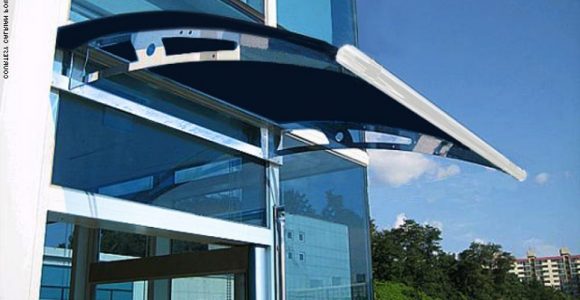

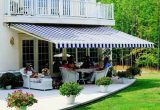
Awning definition, What is an awning? An awning is a cover made from canvas to sanctuary individuals or things from rain or sunlight, usually one will certainly use words awning about a roof-l...
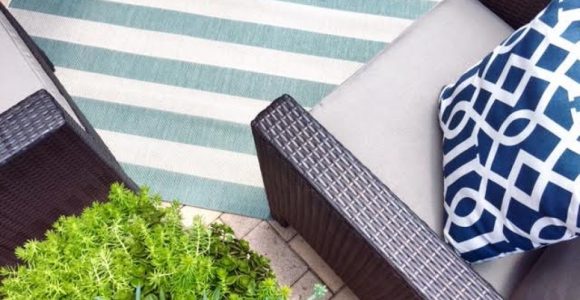



Frontgate outdoor rugs. These days embellishing does not have to be regarding custom-made, it could be regarding where to discover it currently and also exactly how to make it function for you. T...

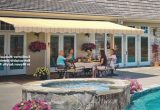
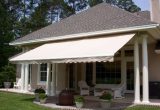


Retractable awning prices is influenced in various other means, too. On-line assemblers bill delivery costs, however this is more than balanced out by the reality they don't charge sales tax (bes...

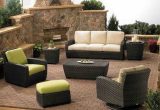
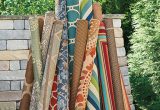
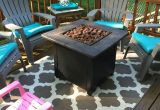
bed bath and beyond outdoor rugs (additionally called location rugs) not just include to the appearance of a space, yet likewise develop a setting including form, shade, and structure. Residence ...