Nuloom Outdoor Rugs
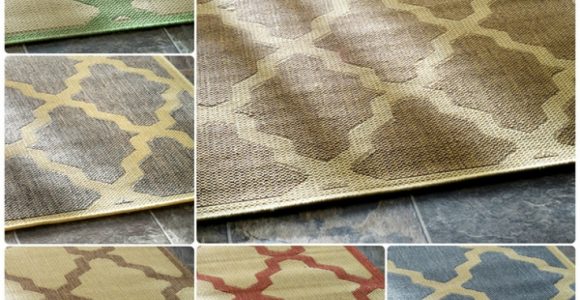



Nuloom Outdoor Rugs with pictures released for to offer the concepts to influence enhancing your home. This post of Nuloom Outdoor Rugs have of our collection pictures as well as gallery for embe...
Nuloom Outdoor Rugs with pictures released for to offer the concepts to influence enhancing your home. This post of Nuloom Outdoor Rugs have of our collection pictures as well as gallery for embe...
A cracked concrete patio can make an otherwise attractive outdoor area look neglected, but many slab cracks are repairable without removing the entire surface. The right method depends on the crack’s width, depth, movement, and cause. A thin, stable hairline crack requires a different treatment from a wide gap caused by sinking soil or poor drainage.
Repairing the damage promptly also protects the patio from water intrusion, frost action, weeds, and further surface breakdown. With careful preparation and suitable materials, you can restore the slab’s appearance while improving its resistance to future wear.
Before choosing a product, inspect the patio as a whole. Look for standing water, loose edges, uneven sections, rust stains, nearby tree roots, and gaps where the slab meets steps or walls. These details can reveal whether the visible crack is a minor surface defect or a sign of a larger problem.
Hairline cracks are usually narrow, shallow lines caused by normal shrinkage as concrete cures or dries. If both sides of the crack remain level and the gap has not changed noticeably over time, a flexible concrete crack filler or masonry sealant is often sufficient. These products prevent water from entering while allowing a small amount of seasonal movement.
Wider cracks deserve closer inspection. A gap less than about 6 mm wide may still be suitable for a pourable repair compound, while larger openings often need a backer rod followed by a polyurethane sealant. A backer rod fills much of the depth, reduces the amount of sealant required, and helps the joint move without tearing.
A crack that runs across the full patio and has vertical displacement may indicate settlement or soil movement. If one side sits higher than the other, the slab may need lifting, mudjacking, or polyurethane foam injection rather than a simple surface repair. Cracks that continue expanding should be monitored before cosmetic work begins.
Water is one of the most common causes of patio deterioration. Poor grading can direct rain toward the slab, allowing moisture to collect beneath or inside the concrete. Repeated freezing and thawing then expands and contracts the trapped water, gradually widening cracks and causing flaking at the surface.
Check whether downspouts discharge near the patio and whether garden beds hold water against its edges. Redirecting downspouts, improving nearby drainage, or adjusting the surrounding soil may be necessary before sealing the crack. A repair compound cannot compensate for constant saturation beneath the slab.
Settlement can occur when fill soil was not compacted properly, when erosion removes supporting material, or when tree roots disturb the base. Large shrubs and trees close to the patio may also contribute to movement. Where settlement is substantial, consult a qualified concrete or foundation professional before applying a patch.
Begin by removing furniture, planters, rugs, and loose decorative items from the work area. Sweep the slab thoroughly, then use a stiff brush to clear dirt from the crack. A shop vacuum is useful for extracting dust and small particles from narrow openings. Avoid working on wet concrete because moisture can weaken adhesion.
For a wider crack, carefully widen the upper opening into a shallow V shape with a cold chisel and hammer. This creates clean, sound edges for the patching compound. Work gently and wear eye protection, gloves, long trousers, and sturdy footwear. Do not enlarge a crack if the slab is unstable or heavily fractured.
Remove crumbling concrete until the remaining edges feel firm. For oil, algae, or moss, use a suitable concrete cleaner and rinse according to the manufacturer’s instructions. Allow the area to dry fully. If you are also refreshing adjacent stone or paving, these natural stone care steps can help prevent cleaning residue from affecting the repaired concrete.
The best product depends on the crack’s size and the amount of movement expected. Rigid cement-based patching compounds can blend well with concrete but may crack again if used across a joint that expands and contracts. Flexible polyurethane or elastomeric fillers are better for active cracks and perimeter gaps.
| Crack or Damage Type | Suitable Repair | Important Consideration |
|---|---|---|
| Hairline, stable crack | Concrete crack filler or masonry sealant | Apply to clean, dry concrete |
| Crack up to about 6 mm | Pourable polyurethane or cement repair compound | Fill in controlled layers if deep |
| Wide, moving crack | Backer rod and flexible sealant | Leave room for movement |
| Broken or chipped edge | Vinyl concrete patch or repair mortar | Remove weak material first |
| Uneven slab sections | Slab lifting or professional leveling | Surface filler will not correct settlement |
| Widespread scaling | Resurfacer after soundness checks | Do not cover unstable concrete |
Read the product instructions before mixing or applying anything. Some compounds require a primer, while others bond best to slightly damp concrete. Temperature limits also vary, and many sealants should not be used during rain, extreme heat, or freezing conditions.
Color matching can be difficult, particularly on older patios that have weathered unevenly. Test the repair compound in a discreet location first. If the patio has numerous small defects, a compatible concrete resurfacer may provide a more consistent appearance than treating every crack separately.
For a narrow stable crack, apply the filler slowly, keeping the nozzle or applicator close to the opening. Slightly overfill the line if the product shrinks as it cures, then smooth it with a putty knife or a tool recommended by the manufacturer. Remove excess material from the surrounding slab before it hardens.
Deep cracks should be filled in stages rather than packed with a thick layer at once. Allow each layer to cure as directed. This reduces shrinkage and helps the repair bond throughout the opening. Avoid adding water to a premixed product unless the instructions specifically permit it.
For a wide moving crack, press a closed-cell backer rod into the opening so the sealant will adhere to the sides rather than the bottom. Apply a continuous bead of flexible sealant and tool it to a slightly concave profile. The finished surface should be level enough for walking but not so flat that water remains on it.
Where concrete edges are broken, remove all loose fragments and dampen the sound concrete if required by the patching product. Press repair mortar firmly into the damaged area and shape it to match the surrounding slab. Protect the patch from foot traffic, pets, rain, and heavy furniture until it has fully cured.
Cracks are sometimes accompanied by scaling, spalling, or flaking caused by freeze-thaw cycles, deicing salts, excess water, or an overly wet concrete mix. Scrape and brush away every weak section before considering a surface treatment. Resurfacing over loose material will produce a temporary result and may conceal continuing damage.
A concrete resurfacer can improve a patio with widespread shallow wear when the underlying slab remains solid and reasonably level. Clean and profile the surface, repair deeper cracks first, and apply the resurfacer in thin, even coats. Use a compatible broom or texture tool to recreate slip resistance, particularly near steps and doors.
Uneven slabs create trip hazards and may prevent patio doors from opening properly. Minor height differences can sometimes be softened with a patching compound, but significant displacement requires lifting or replacement. Professional leveling methods can restore the slope while avoiding the disruption of demolishing the entire patio.
After the repair has cured, protect the patio from unnecessary moisture and abrasion. Keep soil, mulch, and leaves from building up against the slab edges. Make sure water flows away from the house, and inspect drainage channels after heavy rain. Good drainage is one of the most effective forms of long-term concrete maintenance.
Avoid using harsh deicing salts where possible, since they can accelerate surface damage. Use a plastic shovel rather than a metal blade when clearing snow, and do not drag heavy planters or metal furniture across the slab. Place protective pads beneath furniture legs and use an outdoor rug designed for concrete surfaces if you want to define a seating area.
These practical habits help preserve the wider outdoor design as well as the repair:
A sealer can reduce water absorption and make routine cleaning easier, but it is not a substitute for repairing open cracks. Choose a breathable exterior product suitable for concrete, and follow the recommended curing period before applying it.
Professional advice is appropriate when cracks are wide, numerous, rapidly changing, or accompanied by sinking. It is also important when the patio is connected to the foundation, supports a roof structure, or sits beside retaining walls. Movement in these areas may involve drainage, structural loads, or soil instability beyond a simple patio repair.
Replacement may be the most durable option when much of the slab is loose, heavily spalled, or divided into uneven sections. A new installation should include a properly compacted base, suitable thickness, reinforcement where appropriate, control joints, and a slope that directs water away from the house.
The repair should also suit the way you use the outdoor space. A family dining area, a patio beneath a gazebo, and a narrow path beside landscaping may need different textures, drainage details, and levels of slip resistance. For broader ideas about coordinating paving, furniture, and outdoor improvements, explore French Creative for residential design inspiration.
With sound preparation and the right repair compound, many cracked concrete patio slabs can be made safer and more attractive without a complete rebuild. Inspect the damage, correct the water or settlement issue, complete the repair in suitable weather, and give every material enough time to cure before returning furniture to the space. Start with the smallest responsible repair, and arrange a professional assessment when movement or structural damage makes a surface patch unreliable.




Awning definition, What is an awning? An awning is a cover made from canvas to sanctuary individuals or things from rain or sunlight, usually one will certainly use words awning about a roof-l...





Frontgate outdoor rugs. These days embellishing does not have to be regarding custom-made, it could be regarding where to discover it currently and also exactly how to make it function for you. T...





Retractable awning prices is influenced in various other means, too. On-line assemblers bill delivery costs, however this is more than balanced out by the reality they don't charge sales tax (bes...




bed bath and beyond outdoor rugs (additionally called location rugs) not just include to the appearance of a space, yet likewise develop a setting including form, shade, and structure. Residence ...