Nuloom Outdoor Rugs
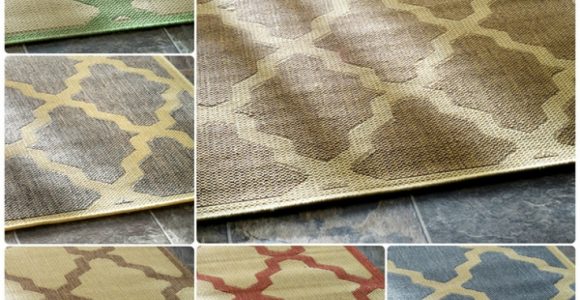



Nuloom Outdoor Rugs with pictures released for to offer the concepts to influence enhancing your home. This post of Nuloom Outdoor Rugs have of our collection pictures as well as gallery for embe...
Nuloom Outdoor Rugs with pictures released for to offer the concepts to influence enhancing your home. This post of Nuloom Outdoor Rugs have of our collection pictures as well as gallery for embe...
Old deck railings can make an otherwise attractive outdoor area look tired, especially when the finish has faded, peeled, or become uneven. Refreshing them with exterior paint or stain is a practical way to improve the appearance of your deck without replacing every post, baluster, and handrail.
A successful railing makeover depends on more than choosing a pleasant color. The timber needs to be inspected, cleaned, sanded, and repaired before any new coating is applied. The right finish will also depend on the wood species, exposure to weather, and the amount of maintenance you are prepared to handle.
With careful preparation, even weathered deck balusters can gain a clean, cohesive appearance that works with patio furniture, paving, fencing, and surrounding landscaping. The process is manageable for a weekend project, although badly damaged railings may need professional attention or partial replacement.
Begin by checking every part of the railing system, including posts, rails, balusters, caps, brackets, and fasteners. Look for soft areas, deep cracks, loose joints, rusted screws, water staining, and signs of rot near the deck surface. Press a screwdriver gently into suspicious timber; wood that feels spongy may be too damaged to refinish safely.
Pay particular attention to the top rail, where rainwater and moisture tend to collect. A railing can look acceptable from a distance while still having weakened sections beneath the old coating. Tighten loose hardware and replace severely deteriorated boards before cleaning. Paint and stain improve the surface, but neither can restore structural strength.
If the railing is sound but the deck frequently becomes wet, consider the wider drainage arrangement as well. Practical rainproof patio ideas can help limit the amount of water reaching nearby timber and reduce future maintenance.
Preparation usually takes longer than painting, yet it has the greatest influence on the final result. Remove furniture, planters, and outdoor textiles from the deck, then cover nearby siding, paving, plants, and doors. Use a stiff brush to clear away dirt, cobwebs, loose fibers, and flaking finish from the railings.
Wash the wood with a deck cleaner suitable for the existing surface. A low-pressure hose is safer than a powerful pressure washer, which can gouge soft timber and force water deep into joints. Follow the cleaner’s instructions, rinse thoroughly, and allow the railing to dry fully. Depending on the weather, this may take one to three days.
Once dry, scrape away peeling paint and sand rough areas with medium-grit paper. Finish with finer-grit paper where you want a smoother handrail. Sanding should remove loose material and soften transitions rather than strip every trace of an old coating. Vacuum or brush off the dust, then wipe the surface with a clean, slightly damp cloth.
Fill small holes and shallow cracks with an exterior-grade wood filler. For larger splits, replace the damaged component instead of relying on filler. Mask the deck boards and adjacent walls once preparation is complete, and check the weather forecast before opening a tin of finish.
Paint creates the broadest color change and offers a useful option when the existing timber has mismatched repairs or an unattractive appearance. Solid exterior paint can give old railings a crisp white, charcoal, sage, or deep blue finish that coordinates with doors, window frames, and garden structures. It also conceals much of the natural grain.
Stain is better suited to homeowners who want the texture of the timber to remain visible. Transparent and semi-transparent stains add color while allowing some grain to show, while solid stains provide greater coverage with a softer, more natural appearance than paint. A penetrating stain may be easier to renew because it generally fades rather than peeling in large sheets.
Use a product specifically formulated for exterior wood and confirm that it is compatible with the existing coating. A small test patch on an inconspicuous section can reveal how the color will look after drying. Remember that the same stain may appear lighter on freshly sanded wood and darker on older, more porous sections.
The sheen also affects the appearance and upkeep of the deck railing. Low-sheen finishes tend to disguise minor imperfections, while glossier products can be easier to wipe clean but may emphasize scratches and uneven areas. For a handrail, a durable satin or low-sheen finish is often a balanced choice.
Start with the underside and less visible areas, then work toward the front-facing surfaces. A quality brush is useful for cutting around posts, corners, fasteners, and baluster joints. A small roller can speed up coverage on broad rails, but back-brush the product so it settles evenly into the grain.
Apply thin coats rather than trying to achieve full coverage in one pass. Heavy layers can sag, wrinkle, or remain tacky, especially in shaded areas. Follow the manufacturer’s drying time and avoid recoating simply because the surface feels dry; the underlying layer may still need more time to cure.
Work in manageable sections and maintain a wet edge where possible. This reduces lap marks and helps the railing retain a consistent color. Keep an eye on direct sun, wind, and humidity, since these conditions can cause the coating to dry too quickly or collect dust.
The following comparison can help clarify which finish is suitable for your deck design and maintenance preferences:
| Finish | Appearance | Coverage | Maintenance pattern | Best suited to |
|---|---|---|---|---|
| Transparent stain | Visible grain with subtle color | Low | Recoat as color fades | Attractive, sound timber |
| Semi-transparent stain | Grain remains visible with stronger color | Medium | Periodic cleaning and renewal | Timber with mild variation |
| Solid stain | Soft color with limited grain | High | Usually easier to renew than paint | Older wood with minor blemishes |
| Exterior paint | Opaque, uniform color | Very high | Touch up peeling or worn areas | Mismatched or heavily weathered railings |
A railing refresh should support the overall character of the deck rather than appear as an isolated update. Light paint can make a compact deck feel brighter and works well with pale paving, white furniture, and flowering borders. Dark gray or black can create a sharper architectural outline, especially alongside modern fencing and streamlined outdoor lighting.
Natural brown, cedar, and muted green stains suit gardens with timber furniture, raised beds, stone paths, and informal planting. When the deck sits beside a brick wall or a colorful house exterior, a restrained neutral can prevent the railing from competing with the architecture.
Consider visual weight as well as color. Dark balusters can frame a view without drawing too much attention to individual components, while a pale railing may make the structure more prominent. If privacy is important, solid stain or paint can make the balusters appear denser, even when the spacing remains unchanged.
Before coating the entire structure, view the test patch at different times of day. Morning light, strong afternoon sun, and evening shade can change how the finish relates to the rest of the garden. This simple step helps avoid a color that looks attractive indoors but feels too bright or too cold outside.
Freshly coated railings need gentle treatment while the finish cures. Keep planters, cushions, and furniture from touching the surface, and avoid washing the deck until the product has reached its recommended cure time. If rain arrives sooner than expected, check the manufacturer’s guidance before attempting repairs.
Regular maintenance will extend the life of the new finish and make the next refresh easier. Inspect the railing at the beginning and end of the outdoor season, particularly around post bases, joints, and exposed end grain. Remove dirt before it becomes embedded, and deal with small areas of wear before moisture reaches the timber.
Avoid abrasive household cleaners and wire brushes, which can damage the coating and leave visible scratches. Keep sprinklers directed away from the railing, and trim plants that remain pressed against the wood after rain. These small adjustments can reduce moisture retention and slow down surface deterioration.
A well-maintained finish also helps the deck feel more intentional as part of the wider home. Coordinate occasional touch-ups with other outdoor improvements, such as refreshing an awning, arranging a patio rug, or updating planters, so the entire living area continues to look cared for.
Refreshing old deck railings with paint or stain is a straightforward way to restore character, improve comfort, and extend the useful life of an outdoor space. Inspect the structure carefully, prepare every surface thoroughly, choose a coating suited to the wood, and apply it in controlled, thin layers. Start with one test section, then give the whole railing a considered finish that complements your home and garden.
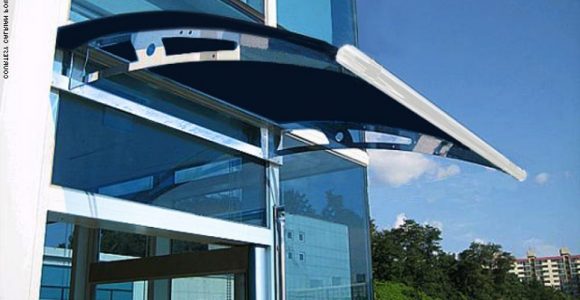



Awning definition, What is an awning? An awning is a cover made from canvas to sanctuary individuals or things from rain or sunlight, usually one will certainly use words awning about a roof-l...





Frontgate outdoor rugs. These days embellishing does not have to be regarding custom-made, it could be regarding where to discover it currently and also exactly how to make it function for you. T...




Retractable awning prices is influenced in various other means, too. On-line assemblers bill delivery costs, however this is more than balanced out by the reality they don't charge sales tax (bes...





bed bath and beyond outdoor rugs (additionally called location rugs) not just include to the appearance of a space, yet likewise develop a setting including form, shade, and structure. Residence ...