Nuloom Outdoor Rugs
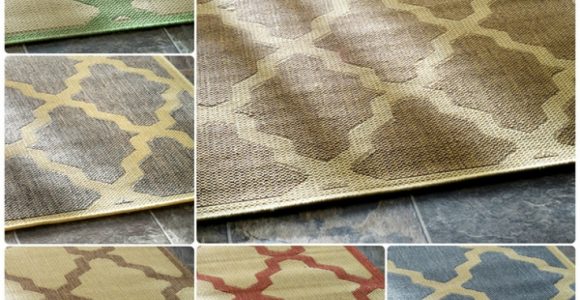



Nuloom Outdoor Rugs with pictures released for to offer the concepts to influence enhancing your home. This post of Nuloom Outdoor Rugs have of our collection pictures as well as gallery for embe...
Nuloom Outdoor Rugs with pictures released for to offer the concepts to influence enhancing your home. This post of Nuloom Outdoor Rugs have of our collection pictures as well as gallery for embe...
A cantilever umbrella creates generous shade without a central pole interrupting dining chairs, loungers, or outdoor traffic. Its offset design allows the canopy to extend over a seating area while the weighted base remains safely to one side. When positioned well, it can make a deck or patio feel like a comfortable outdoor room.
Installation requires more than opening the canopy and tightening a few bolts. The umbrella must stand on a stable, level surface, resist movement in changing weather, and leave enough room for the rotating arm and canopy ribs. A careful setup protects the furniture beneath it and reduces the risk of damage to the umbrella, decking, or paving.
The process is suitable for many residential spaces, although large models can be heavy and awkward to assemble. Always follow the manufacturer’s instructions for your specific product, especially when securing a base to a timber deck or installing additional ballast.
Begin by measuring the area you want to shade. Include the full canopy diameter, the sweep of the offset arm, and the space required to rotate or tilt the umbrella. A cantilever model may cover a table beautifully when open but collide with a wall, railing, tree branch, or roof overhang when turned.
Watch the sun at different times of day before deciding where the base will sit. Morning and afternoon shadows can fall in very different directions, so the ideal position may be beside rather than directly behind the seating area. Keep the umbrella clear of grills, outdoor heaters, candles, and other heat sources.
Consider access and drainage as well. The base should not obstruct a doorway, staircase, gate, or main walking route. On a patio, avoid placing it where water collects after heavy rain. On a raised deck, check that the selected location is near strong structural support rather than only thin surface boards.
Sweep the surface and check it for cracks, loose boards, soft timber, or uneven paving. A freestanding cantilever umbrella needs a perfectly stable base because its weight is offset from the canopy. Even a small slope can cause the frame to lean, make the arm harder to operate, or allow the base to shift.
For a paved patio, position the base across sound slabs or a stable concrete pad rather than over a joint. If the pavers rock under pressure, repair or reset them before installation. A poured concrete surface is generally straightforward, provided it is cured, level, and strong enough for the selected base.
A timber deck needs additional care. Locate joists and place the base so its load is distributed over structural members. Some installations use a through-bolted mounting plate, while others rely on a freestanding cross base with sandbags, water weights, or concrete tiles. Never assume that ordinary deck screws are sufficient for a large shade structure.
If the umbrella requires a fixed installation, professional installation advice can help clarify when specialist support is worthwhile. The same principles apply to many exterior shade products: structural fastening, wind exposure, and safe access deserve careful attention.
Most installations require a tape measure, spirit level, adjustable wrench, socket set, screwdriver, and rubber mallet. A second person is useful for lifting the mast, holding the frame upright, and guiding bolts into place. For a deck-mounted model, you may also need a drill, suitable structural bolts, washers, and access beneath the deck.
Unpack every component and compare it with the parts list before beginning. Lay bolts, washers, covers, crank handles, and locking pins in separate groups. Avoid mixing similar-looking fasteners, since a bolt with the wrong length may damage the mechanism or fail to clamp the base securely.
Assemble the base on the ground first, following the sequence in the manual. If ballast is supplied, add it only as directed. Concrete blocks, sand, or water containers should sit fully inside the intended frame and should not overhang edges where they can become a trip hazard.
Ask another adult to help raise the mast and canopy assembly. Do not force a joint that does not align naturally. Misalignment often means a washer, sleeve, or support bracket has been installed in the wrong order.
Place the assembled base in the chosen position and check its orientation. Many cantilever umbrellas have a rotating collar or turntable, so allow a clear circular zone around it. Tighten the base hardware gradually, alternating between opposite bolts to keep pressure even.
On a freestanding model, confirm that each ballast piece is seated properly before attaching the mast. Use the spirit level in two directions across the base. Adjust the position or add approved leveling pads if necessary, but do not improvise with unstable pieces of wood or loose masonry.
For a deck installation, mark the fixing points over joists or a reinforced subframe. Drill pilot holes to the manufacturer’s specification, then fit structural bolts with large washers. If the underside is inaccessible, a freestanding weighted base may be safer than relying on shallow fasteners. When in doubt, consult a qualified builder before drilling through the deck.
Attach the mast, arm, and canopy according to the instructions. Keep fingers away from hinges and moving joints while raising the frame. Once the canopy is open, test the tilt, rotation, and locking functions slowly. The umbrella should move smoothly without rubbing against the base or catching on nearby structures.
The best support depends on the surface, umbrella size, local weather, and whether you want a permanent or movable arrangement. A heavy base can make everyday use easier, but it also creates a substantial load that must be considered on a raised deck.
| Base arrangement | Suitable surface | Main advantage | Important consideration |
|---|---|---|---|
| Cross base with concrete tiles | Level patio or strong deck | Easy to install and reposition | Tiles must be fully seated and heavy enough |
| Water-fillable base | Patio with moderate exposure | Convenient to move when empty | Drain and store it before freezing weather |
| Sand-filled base | Patio or robust terrace | Dense, stable ballast | Filling and emptying can be messy |
| Bolt-down mounting plate | Reinforced deck or concrete pad | Clean appearance and strong restraint | Requires accurate structural fixing |
| In-ground or custom concrete support | Permanent outdoor setting | Excellent long-term stability | More disruptive and difficult to relocate |
A weighted freestanding base is often practical for renters or homeowners who want flexibility. However, it should be moved only when the canopy is closed, and the wheels or lifting points should be used as intended. Dragging a heavy base can damage paving joints and deck boards.
A fixed plate gives a neater appearance and can reduce the chance of movement, but it is not automatically windproof. The canopy itself still catches air, and the manufacturer may require it to be closed whenever wind reaches a specified speed.
Open the canopy fully and place the seating or dining furniture beneath it. Sit in the area from several angles to check whether the ribs block sightlines or whether the edge of the canopy sits too low. Adjust the arm height or tilt so that shade reaches the people using the space without creating an uncomfortable visual barrier.
Test the rotation lock and tilt lever while the umbrella is open, then close the canopy to make sure the fabric folds without snagging. The crank should turn steadily, and the canopy should not require excessive force. If a joint feels stiff, inspect the assembly rather than applying extra leverage.
Pour a small amount of water over the canopy to see where it drains. Water should run away from doors, electrical equipment, and seating cushions. If the umbrella is above a dining table, check that the ribs and fabric do not touch lighting, fans, or hanging decorations.
A well-planned outdoor arrangement can combine the umbrella with an outdoor rug, weather-resistant furniture, and planting that softens the base. Browse French Creative ideas for practical ways to connect shade, seating, and landscaping into a cohesive living area.
Wind is the most important operational risk. Close and secure the canopy whenever the area is unattended, during gusty conditions, or before leaving home. Never use a tie or strap as a substitute for a proper closing mechanism, and do not place extra objects on the base unless the manufacturer permits them.
Keep the fabric clean with a soft brush and mild soapy water. Avoid harsh detergents that can weaken water-resistant treatments or fade the material. Allow the canopy to dry completely before closing it for storage, since trapped moisture can encourage mildew and unpleasant odors.
Inspect bolts, ballast, hinges, cords, and fabric seams at the start of each warm season. Tighten loose hardware carefully and replace damaged components with approved parts. Lubricate moving mechanisms only when the instructions recommend it, because excess oil can stain the canopy or attract grit.
For reliable performance, make these checks part of your outdoor maintenance routine:
A cantilever umbrella should provide effortless shade, not become a constant source of adjustment. Taking time to choose the position, reinforce the support, and test every movement creates a safer and more attractive deck or patio. Complete the installation carefully, then arrange the surrounding furniture so the shade serves the way your household actually uses the space.
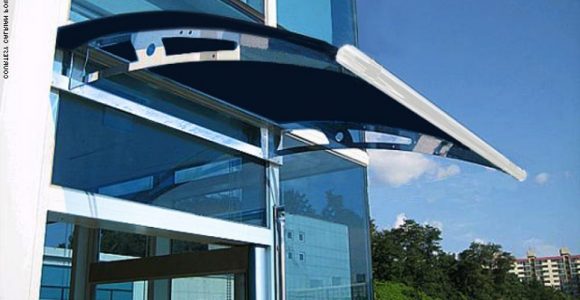
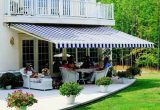
Awning definition, What is an awning? An awning is a cover made from canvas to sanctuary individuals or things from rain or sunlight, usually one will certainly use words awning about a roof-l...
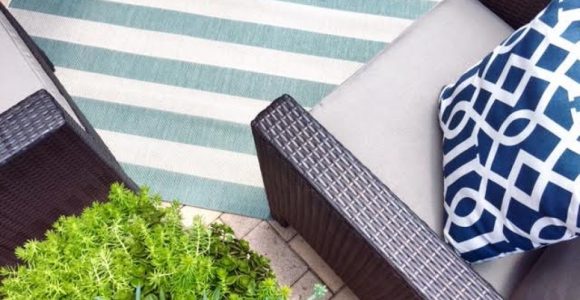



Frontgate outdoor rugs. These days embellishing does not have to be regarding custom-made, it could be regarding where to discover it currently and also exactly how to make it function for you. T...

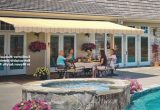
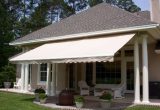


Retractable awning prices is influenced in various other means, too. On-line assemblers bill delivery costs, however this is more than balanced out by the reality they don't charge sales tax (bes...

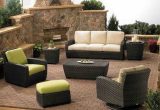

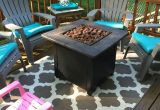

bed bath and beyond outdoor rugs (additionally called location rugs) not just include to the appearance of a space, yet likewise develop a setting including form, shade, and structure. Residence ...