How to Design a Play Area That Blends with Your Landscape
A well-planned play space should feel like part of the garden rather than an object placed in the middle of it. The best designs combine climbing, swinging, digging and imaginative play with planting, paving, shade and outdoor seating. This creates a setting that works for children while still looking considered from the kitchen window or entertaining area.
For Australian homes, the landscape must also handle intense sunlight, sudden rain, dry periods and regular outdoor living. Whether the property is a compact terrace in Melbourne, a suburban block in Brisbane or a spacious backyard in Perth, thoughtful placement and durable materials can make a play area safer, cooler and more attractive.
Read the Site Before Choosing Equipment
Begin by observing how the garden is used throughout the day. Track the areas that receive morning and afternoon sun, where water collects after storms, and which parts of the yard are visible from the kitchen, living room or patio. A play zone positioned within easy sightlines allows adults to supervise while preparing meals, relaxing or hosting friends.
Avoid placing equipment at the lowest point of the garden, beneath fragile trees or directly beside a retaining wall. Tree roots can affect foundations, while falling branches and leaf litter create extra maintenance. Look for a level section with enough clearance around swings, slides and climbing frames. The required clearance depends on the equipment, so follow the manufacturer’s instructions rather than relying on appearance alone.
The layout should also respect existing movement through the yard. Children will naturally run between the house, lawn and play equipment, so avoid creating narrow routes beside ponds, barbecues or garden steps. A broad lawn connection or softly curved path can make the zone feel integrated and reduce accidental collisions.
Select Ground Materials That Belong
Safety surfacing is one of the most important design decisions. Lawn provides a soft, natural appearance, but it can become muddy, worn or uneven beneath swings and at the base of slides. Mulch, engineered wood fibre, rubber tiles, synthetic grass and sand each offer different levels of impact protection, drainage and maintenance.
Loose-fill materials can suit a naturalistic garden, especially when bordered with timber, steel or stone edging. They need regular topping up because children move the material during play and heavy rain can wash it away. Rubber surfacing is easier to keep consistent, although its manufactured appearance may need softening with planting and natural-coloured edging.
A compact patio or hard surface can be useful beside the play area for chalk drawing, scooters and outdoor storage. If you are creating a small adjoining entertaining zone, this gravel patio guide can help you consider drainage, edging and economical material choices. Keep hard paving outside the fall zones of climbing and swinging equipment.
Colour also affects how the area sits within the landscape. Sand, muted green, charcoal, warm timber and soft grey generally blend more easily than bright primary colours. A few lively accents can still make the equipment appealing without allowing it to dominate the entire garden.
Design for Shade, Supervision and Comfort
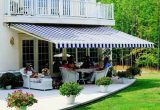
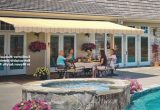
Shade is essential in Australia, where UV exposure can make metal, plastic and synthetic surfaces dangerously hot. A deciduous tree may provide seasonal comfort, but it should not be the only protection over a play space. Consider a shade sail, pergola roof, retractable awning or purpose-built canopy, with enough height to allow airflow and enough coverage for the main activity areas.
The location of shade changes throughout the day, so assess the sun at different times rather than designing from a single midday observation. In Brisbane and northern regions, broad protection from high summer sun and humid rain is valuable. In cooler southern cities, a design that allows winter sunlight into the space can make the garden more pleasant year-round.
Supervision works best when barriers do not block views. Low planting, open fencing and transparent balustrades can define the play zone without creating a hidden corner. Seat walls, built-in benches or a small table nearby give adults a comfortable place to stay close without making the area feel like a separate childcare facility.
Select plants carefully around the play space. Avoid thorny, poisonous or highly irritating species, and keep plants with brittle branches away from climbing equipment. Hardy native plants can provide habitat and a strong sense of place, but choose varieties suited to the site and check how large they will become.
Connect Play Features to the Garden
A landscape-led play area can include more than a conventional swing set. A low mound can become a running route, lookout or slide platform. Stepping logs, boulders and sturdy balance beams introduce movement while echoing the textures already used in the garden. A sandpit framed in timber or stone can function as a neat landscape feature when covered between uses.
For smaller Australian backyards, combine several functions in one structure. A raised platform might include a cubby, climbing wall and shaded reading nook. Built-in storage beneath a bench can hold balls, buckets and gardening tools. A narrow mud kitchen along a fence uses otherwise wasted space and encourages imaginative play without requiring a large footprint.
The transition between play and planting should be gradual. Use a curved edge, a change in mulch colour or a band of low groundcover to soften the boundary. Repeating materials from elsewhere in the garden—such as the same timber, gravel or stone—helps the equipment look intentional. In a contemporary home, simple geometric beds can frame the play area; in a cottage garden, layered planting and informal paths may feel more natural.
Think about sound and neighbourhood relationships as well. Position noisy equipment away from shared boundaries where possible, and avoid creating a direct launching route towards a neighbour’s fence. In many Australian suburbs, side and rear fencing is close to outdoor living spaces, so a planted buffer can provide privacy while reducing visual clutter.
Make Decisions That Suit Australian Conditions
Local rules and construction standards deserve attention before installation. Australian Standard AS 4685 covers many aspects of playground equipment and impact areas, while suppliers should provide age recommendations, anchoring details and fall-zone requirements. A domestic play structure may not require the same approvals as a commercial playground, but council planning rules, easements, heritage controls and boundary requirements vary between municipalities.
Bushfire-prone properties need additional care. If the home is in a designated bushfire area, the site may have a Bushfire Attack Level assessment and specific requirements for vegetation, access and construction. Timber play equipment, shade structures and stored toys should not obstruct emergency access or create an unmanaged fuel source close to the house. Confirm local requirements with the council or a qualified building professional.
Water use is another practical consideration. A thirsty lawn may be difficult to maintain during restrictions or dry seasons, particularly in Adelaide, Perth and parts of regional Australia. Drought-tolerant planting, permeable surfaces, rainwater collection and efficient irrigation can keep the garden attractive without constant watering. In wetter regions, prioritise drainage and surfaces that dry quickly after storms.
Use these decisions to shape a cohesive plan:
- Position the play zone where it can be seen from the main indoor living areas.
- Allow generous fall zones and follow the equipment manufacturer’s installation instructions.
- Combine shade, drainage and soft surfacing rather than treating them as separate additions.
- Choose robust plants without thorns, toxic berries or branches likely to fall.
- Repeat two or three landscape materials across paths, edging, seating and play structures.
- Check council rules, Australian Standards and bushfire requirements before building.
| Play surface |
Visual character |
Maintenance needs |
Best suited to |
| Lawn |
Soft and natural |
Regular mowing, watering and repair |
Larger gardens with moderate use |
| Mulch or wood fibre |
Organic and garden-friendly |
Top up and rake regularly |
Naturalistic landscapes and climbing areas |
| Rubber tiles |
Consistent and contemporary |
Low routine maintenance |
High-use zones and compact yards |
| Sand |
Casual and playful |
Covering, cleaning and replenishment |
Sandpits and sensory play |
| Synthetic grass |
Green throughout the year |
Occasional cleaning and brushing |
Dry climates or small urban gardens |
A successful play area should grow with the family and remain useful after children move beyond early play equipment. Leave room for a basketball hoop, vegetable patch, outdoor table or quiet retreat, and choose adaptable pieces that can be removed without rebuilding the entire garden. Start with safe placement, comfortable shade and a clear connection to the surrounding landscape, then create the space with materials that suit your home, climate and everyday life.