Nuloom Outdoor Rugs
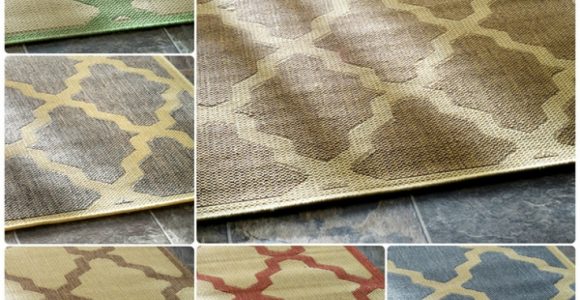



Nuloom Outdoor Rugs with pictures released for to offer the concepts to influence enhancing your home. This post of Nuloom Outdoor Rugs have of our collection pictures as well as gallery for embe...
Nuloom Outdoor Rugs with pictures released for to offer the concepts to influence enhancing your home. This post of Nuloom Outdoor Rugs have of our collection pictures as well as gallery for embe...
A driveway does much more than provide a route from the street to the garage. It shapes the first impression of a home, influences how rainwater moves across the property, and affects everyday comfort from parking to walking. Permeable pavers offer a practical way to combine a durable driving surface with better stormwater management and a more considered landscape design.
Unlike conventional concrete or asphalt, a permeable paving system allows water to pass through joints and into a specially prepared base. Depending on the ground conditions, rainfall can infiltrate into the soil or move gradually toward a drainage feature. The surface can therefore reduce puddling, runoff, and pressure on local drainage systems when it is designed and installed correctly.
Good results depend on more than choosing attractive blocks. The driveway needs suitable materials, a stable foundation, adequate falls, comfortable dimensions, and an appearance that complements the architecture. A thoughtful plan also considers planting, lighting, pedestrian access, and how the surface will look several years after installation.
Begin by observing how water behaves around the property. Look for existing puddles, damp areas, soil erosion, downspouts, and places where runoff currently travels toward the house or neighboring land. A driveway should never direct water toward foundations, basement entrances, retaining walls, or public walkways.
Soil type is equally important. Sandy or gravelly soil often absorbs water readily, while clay may drain slowly and require an engineered outlet or overflow route. A simple infiltration test can provide useful early information: dig a hole, fill it with water, and monitor how quickly the water disappears. This does not replace professional drainage advice, but it helps identify whether infiltration is likely to be practical.
Check local requirements before finalizing the layout. Some municipalities regulate driveway width, curb cuts, slopes, stormwater discharge, and the materials used near public roads. If the property has a steep grade, poor soil, or a high water table, consult a qualified contractor or civil engineer before ordering materials.
Permeable pavers are manufactured with strong units and wider joints filled with clean aggregate. The pavers themselves may look similar to conventional concrete blocks, but the open-graded bedding and base layers beneath them are essential to the system. Water filters through the joints rather than sitting on an impermeable slab.
Concrete permeable pavers are widely available in rectangular, square, and textured forms. Clay pavers can create a warmer, traditional appearance, although their suitability depends on the product and the local installation method. Some systems use plastic or concrete grid units filled with gravel or grass, which can work well for low-traffic areas but may require more maintenance in a frequently used residential driveway.
Select a product rated for vehicular use, particularly if the driveway will accommodate delivery vans, large SUVs, or trailers. Color should be considered alongside maintenance: very pale surfaces can show tire marks, while very dark surfaces may become hot in direct sun. Mixed tones and subtle variations often conceal everyday dust better than a single uniform shade.
| Paver approach | Appearance | Drainage behavior | Maintenance needs | Best suited to |
|---|---|---|---|---|
| Interlocking concrete permeable pavers | Structured and contemporary | High when joints and base are correctly installed | Joint vacuuming and occasional aggregate replacement | Regular residential vehicle use |
| Clay permeable pavers | Traditional and characterful | Depends on the approved system | Cleaning, joint checks, and possible settlement repairs | Period or heritage-style homes |
| Gravel-filled grid pavers | Informal and natural | Very high in suitable soil | Weed control, raking, and gravel top-ups | Light traffic and rural settings |
| Grass-filled grid pavers | Soft, green, and landscape-focused | High but affected by soil compaction | Mowing, watering, and careful vehicle use | Occasional parking or overflow areas |
A practical driveway should allow vehicles to enter, leave, open doors, and move around without damaging planting or edging. A single-car drive commonly needs about 10 to 12 feet of usable width, while a two-car driveway may need approximately 18 to 24 feet depending on the vehicles and whether doors must open comfortably. Local standards and site constraints should guide the final dimensions.
Straight driveways create a clean architectural line and are often efficient on compact lots. Curved layouts can soften a large frontage, guide vehicles away from trees, and create space for planting beds. If the driveway needs a turning area, draw vehicle paths before construction rather than relying on visual estimates. The turning zone should be broad enough to prevent repeated tire scuffing at the edges.
Paver patterns can make the surface appear wider, longer, or more formal. Running bond emphasizes direction, herringbone provides strong interlock for vehicle loads, and basketweave introduces a decorative character. A contrasting border can define the edges and make the driveway feel like an intentional part of the landscape rather than a strip of paving.
Tie the design to nearby materials. A brick house may suit warm clay tones, while a modern facade could benefit from large-format concrete units in charcoal, gray, or blended neutrals. Resources focused on home design ideas can also help coordinate paving with exterior furniture, planting, lighting, and other outdoor living details.
The visible pavers are only one part of a permeable driveway. Installation normally begins with excavation to the required depth, followed by a compacted subgrade and open-graded stone layers. The thickness depends on soil, climate, traffic, and drainage objectives. A weak or poorly compacted base can lead to rutting, rocking pavers, and low areas that collect water.
The bedding layer should use the aggregate specified by the paving manufacturer rather than ordinary fine sand. Clean, angular stone allows water to move through the system and supports the pavers evenly. Joints are filled with compatible aggregate, which must be brushed into place and compacted carefully so the surface remains stable without clogging the drainage openings.
Edges deserve special attention. Concrete restraints, metal edging, or other approved containment systems prevent the pavers from spreading under vehicle pressure. The finished surface should meet adjoining paths and garage thresholds neatly while maintaining the drainage design. Any transition that is too high can create a trip hazard or interfere with snow removal and vehicle access.
Professional installation is especially valuable on sloped sites and properties with clay soil. A contractor can calculate excavation depths, create an overflow route, protect nearby foundations, and specify a base capable of supporting repeated loads. Cutting corners during groundwork usually costs more than allowing enough time and material for a stable installation.
A permeable driveway works best as part of a wider water-sensitive landscape. Planting strips, rain gardens, swales, and shallow infiltration beds can receive overflow during intense storms. These features also break up large areas of hardscape and make the frontage feel greener and more welcoming.
Choose plants that tolerate occasional wet conditions near drainage zones but can withstand drier periods between storms. Ornamental grasses, low shrubs, native perennials, and small trees can soften the edges without blocking sightlines. Avoid aggressive roots directly beneath the paving and leave sufficient clearance for mature growth.
Lighting improves safety and highlights the paver pattern after dark. Low bollards, recessed edge lights, or wall-mounted fixtures can mark the route without creating glare for drivers or neighbors. Keep cables and fixtures outside the drainage layers unless they are specifically designed for the installation environment.
A narrow pedestrian strip can make the driveway more comfortable for daily use. It may be formed with contrasting pavers, a planted buffer, or a separate path leading from the sidewalk to the front door. Separating walking and driving zones reduces conflicts and gives the entrance a stronger sense of arrival.
Permeable paving is not maintenance-free. Fine sediment, leaves, soil, and organic debris can gradually block joints and reduce infiltration. Sweep the surface regularly with a stiff broom, remove leaves before they decompose, and avoid allowing soil from planting beds to wash across the pavers.
A specialized vacuum or regenerative air sweeper may be useful every few years, particularly on a heavily used driveway. Joint aggregate can be replaced after cleaning, and isolated sunken areas can often be repaired by lifting the affected pavers, correcting the base, and reinstalling the units. Prompt repairs prevent small failures from spreading.
Avoid sealing products unless the manufacturer specifically approves them for permeable paving. Some sealers clog joints or reduce the system’s ability to absorb water. De-icing materials should also be chosen carefully, since repeated chemical exposure can affect certain pavers, nearby plants, and soil.
The price of a permeable driveway includes excavation, aggregate, edge restraints, pavers, labor, drainage features, and disposal of removed soil. It may cost more initially than a basic asphalt surface, especially where deep excavation or engineered drainage is required. However, the value extends beyond the surface finish: better water management can protect landscaping, reduce erosion, and support local runoff requirements.
Size the project according to actual needs rather than paving every available section of the front yard. A narrower drive with planted margins may be more attractive and less expensive than a broad expanse of hard surface. If additional parking is needed only occasionally, a reinforced gravel or grass-grid overflow area could provide flexibility without making the entire frontage feel paved.
Comfort should remain part of the design assessment. A smooth, stable surface is easier for walking, wheeling bins, and moving outdoor equipment. Well-defined edges make snow clearing and sweeping simpler. Subtle color variation, planting, and warm lighting can turn a functional access route into a welcoming extension of the home.
When the drainage strategy, paving pattern, and landscape details are planned together, the driveway becomes a durable design feature rather than an afterthought. A carefully built permeable surface can handle everyday traffic, reduce stormwater runoff, and give the property a distinctive entrance for many years.
Start with a site assessment, sketch the vehicle movements and drainage routes, then compare suitable paver systems with an experienced installer. With the right foundation and a maintenance routine in place, your new driveway can provide reliable access while making the entire outdoor setting more comfortable, attractive, and environmentally responsive.





Awning definition, What is an awning? An awning is a cover made from canvas to sanctuary individuals or things from rain or sunlight, usually one will certainly use words awning about a roof-l...





Frontgate outdoor rugs. These days embellishing does not have to be regarding custom-made, it could be regarding where to discover it currently and also exactly how to make it function for you. T...





Retractable awning prices is influenced in various other means, too. On-line assemblers bill delivery costs, however this is more than balanced out by the reality they don't charge sales tax (bes...





bed bath and beyond outdoor rugs (additionally called location rugs) not just include to the appearance of a space, yet likewise develop a setting including form, shade, and structure. Residence ...