Nuloom Outdoor Rugs
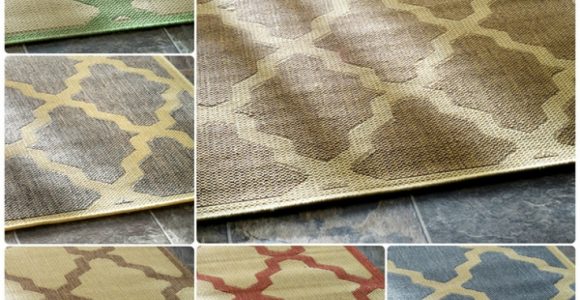



Nuloom Outdoor Rugs with pictures released for to offer the concepts to influence enhancing your home. This post of Nuloom Outdoor Rugs have of our collection pictures as well as gallery for embe...
Nuloom Outdoor Rugs with pictures released for to offer the concepts to influence enhancing your home. This post of Nuloom Outdoor Rugs have of our collection pictures as well as gallery for embe...
A butterfly garden can bring movement, colour and seasonal interest to even a compact Australian courtyard. With the right combination of nectar flowers, larval host plants, shelter and shallow water, a residential garden can support butterflies through several stages of their life cycle rather than simply offering a few decorative blooms.
Native plants are especially useful because they are adapted to local soil, sunlight and rainfall patterns. They also fit naturally into Australian landscaping styles, from coastal courtyards and suburban backyards to dry-climate gardens around Adelaide or Perth. The best planting scheme balances wildlife value with practical needs such as low maintenance, safe paths and comfortable outdoor living.
The garden does not need to look untidy or wild. Repeated plant forms, defined edges, paving and thoughtfully placed furniture can create a polished setting while still leaving room for insects. A useful source of residential design inspiration is French Creative, where indoor and outdoor spaces are treated as connected parts of the home.
Begin by observing the garden for a full day. Record which areas receive morning sun, intense afternoon heat, reflected light from paving and shade from fences or buildings. Butterflies generally need warm, protected spaces, so a sunny corner beside a brick wall can be valuable in Melbourne, while a west-facing yard in Brisbane or Perth may need afternoon shelter during summer.
Soil and rainfall vary widely across Australia. Sandy soils are common in Perth, heavy clay can be found in parts of Melbourne and Sydney, and many suburban blocks have compacted soil left over from construction. Improve soil gradually with compost suited to local conditions, but avoid assuming that every native plant prefers enriched soil. Some Australian species perform better in lean, free-draining ground.
Water restrictions and household habits should influence the layout. A garden that depends on daily hand watering is less sustainable during a dry summer or local water-saving period. Group plants with similar moisture needs, install drip irrigation where appropriate and use mulch while keeping it away from plant stems. In established gardens, collect rainwater where permitted and use it carefully during hot weather.
Adult butterflies need nectar, but caterpillars need specific foliage on which to feed. A successful habitat therefore includes both flowering plants and host plants, even when caterpillar damage makes a few leaves look less than perfect. Planting only nectar-rich ornamentals may attract passing adults without allowing a local population to develop.
Useful Australian choices depend on the region. Bottlebrush, tea-tree, everlasting daisies, native daisies, scaevola, correas and westringia can provide nectar across different seasons. In warmer districts, flowering grevilleas and native shrubs can support a long blooming period. For swallowtail caterpillars, suitable citrus plants may be useful, while native grasses can support grass-feeding butterfly species.
Avoid treating every insect as a pest. Caterpillars may chew foliage before becoming the butterflies the garden is intended to attract. Inspect plants by hand and identify the visitor before removing it. If a plant is heavily affected, grow several specimens so that one plant does not carry the entire burden.
A balanced planting palette can include the following:
Butterflies prefer gardens with several heights and textures rather than a single row of identical shrubs. Use groundcovers around stepping stones, mid-height flowering plants beside paths and taller shrubs along a boundary. This layered arrangement gives caterpillars foliage close to the ground, while adult butterflies can feed in open areas above it.
A sheltered planting pocket is particularly helpful in exposed urban gardens. Position nectar flowers where they receive sunlight but are protected from strong prevailing winds by a fence, screen or dense shrub. In coastal areas, choose salt-tolerant species and secure delicate stems, as wind can quickly dry foliage and disturb butterflies.
Leave a few quiet spaces for resting and overwintering. Dry stems, leaf litter and loose bark can provide cover for insects, so avoid clearing every surface at the end of the flowering season. Tidying paths and entertaining zones is sensible, but the habitat area can follow a lighter maintenance routine.
Hard landscaping should support the planting rather than divide it from the home. A curved path, small paved terrace or timber seat can make the garden easier to enjoy. If a compact patio is part of the scheme, patterned furnishings can help it feel larger; these small patio patterns can complement a planting border without taking space away from the habitat.
Butterflies do not need a deep pond to benefit from water. A shallow dish filled with pebbles gives them safe landing places, while damp sand or mineral-rich soil can provide a suitable mud-puddling area. Place these features in a sunny position near flowers, but not directly beneath dense foliage where they will stay permanently wet.
Refresh shallow water regularly, especially during hot Australian weather, to discourage mosquitoes and algae. A gently damp patch of sand can be easier to manage than a container in a garden with children or pets. Avoid using chemical additives in small wildlife water sources, and clean vessels with a brush rather than household detergents.
If you install a pond, include a sloping edge or stones that allow insects to leave the water. Ponds should be planned with child safety in mind, including barriers or compliant protective measures where required by local regulations. Check council guidance before construction, particularly in rental properties, strata developments or homes with shared outdoor areas.
Birds and lizards may visit the same garden, creating a lively ecosystem. Some predation is natural, but dense native shrubs and groundcovers give butterflies more places to rest. Avoid positioning bright outdoor lights directly over the habitat, as excessive night lighting can disturb nocturnal insects and alter the garden’s natural rhythm.
A butterfly-friendly garden can fit into a narrow side yard, balcony or townhouse courtyard. Use containers for nectar plants and reserve the sunniest section for host plants. Choose pots with adequate drainage, group them at different heights and avoid moving them frequently once butterflies begin using the area.
For a small yard, repetition creates visual order. Select three or four dependable plant types and repeat them along a border instead of filling every space with a different species. This approach makes watering and pruning easier, while a few contrasting flower colours provide seasonal interest. Vertical trellises can support native climbers such as hardenbergia without consuming much floor space.
Furniture should leave a clear route between the house and garden. Place a bench or outdoor chair near, rather than inside, the busiest planting zone so wings and stems are not disturbed. In hot cities such as Brisbane and Sydney, shade from a pergola or retractable awning can make the space more comfortable, provided it does not block all available winter sun.
Fences can become useful habitat edges. A slatted screen, wire support or open trellis can carry climbers and break up wind without creating a solid wall. Before changing a front boundary, check local council rules, especially where heritage controls, corner visibility requirements or height limits apply. State biosecurity rules may also restrict the sale or movement of certain plant species.
The most wildlife-friendly maintenance routine is selective rather than absent. Remove diseased material, control aggressive weeds and prune shrubs after flowering when appropriate, but leave healthy seed heads and some fallen leaves. Use hand tools where practical, since noisy equipment can disturb a small courtyard and send insects into flight.
Avoid broad-spectrum insecticides and herbicides around the habitat. If treatment is unavoidable, identify the problem first, use the least harmful option and follow the product label and Australian Pesticides and Veterinary Medicines Authority directions. Spraying flowers while butterflies are feeding can harm adults, and residues may affect caterpillars later.
Australian gardens also need protection from extreme weather. During heatwaves, check containers and newly planted shrubs early in the morning, when watering is most effective. In bushfire-prone areas, keep plants away from buildings, gutters and evacuation routes, remove dry debris near structures and follow local fire authority advice. Wildlife value should never override household safety.
Track what flowers and insects appear throughout the year. A simple garden notebook can reveal gaps in nectar supply, plants that struggle with local conditions and periods when caterpillars are active. Local native nurseries, butterfly groups and council gardening programs often provide regional recommendations that are more reliable than a generic plant list.
Choose a sunny corner, introduce a small group of locally suitable plants and allow the garden to develop over time. By combining native flowers, caterpillar host plants, shelter and responsible maintenance, you can create a welcoming outdoor room that supports butterflies while enhancing the everyday beauty and comfort of your Australian home.



Awning definition, What is an awning? An awning is a cover made from canvas to sanctuary individuals or things from rain or sunlight, usually one will certainly use words awning about a roof-l...





Frontgate outdoor rugs. These days embellishing does not have to be regarding custom-made, it could be regarding where to discover it currently and also exactly how to make it function for you. T...





Retractable awning prices is influenced in various other means, too. On-line assemblers bill delivery costs, however this is more than balanced out by the reality they don't charge sales tax (bes...



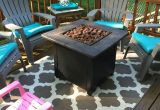
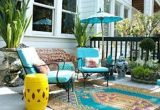
bed bath and beyond outdoor rugs (additionally called location rugs) not just include to the appearance of a space, yet likewise develop a setting including form, shade, and structure. Residence ...