How to Create a Cozy Outdoor Reading Nook
An outdoor reading nook turns an overlooked corner of a patio, balcony, or garden into a personal retreat. With the right combination of comfortable seating, shade, greenery, and practical surfaces, even a small area can become a peaceful place for novels, newspapers, or a quiet morning coffee.
The most successful reading spaces feel connected to the wider landscape while still offering a sense of shelter. A pergola, mature planting, privacy screen, or well-positioned awning can define the nook without making it feel enclosed. The goal is to create an inviting transition between indoor comfort and outdoor living.
Start with how you want to use the space throughout the day. Morning readers may prefer eastern light, while an afternoon retreat needs protection from strong sun and glare. Consider wind direction, views, nearby paths, and access to the house before choosing furniture or decorative details.
Choose The Right Setting
Look for a location that offers some natural protection. A covered patio, recessed porch, space beneath a tree, or sheltered section beside the house will require less additional shading. If the garden is exposed, a gazebo or compact pergola can provide structure while creating a clear destination within the landscape.
Avoid placing the seating directly beside noisy equipment, busy walkways, or areas where water collects after rain. A reading nook should feel separated from household traffic, but it does not need to be completely hidden. A view of planting, a fountain, or an attractive paved path can make the space more relaxing.
Scale matters, particularly in a compact garden. A single lounge chair and side table may be more comfortable than a full outdoor sofa that restricts movement. Leave enough room to pull the chair out, clean around it, and walk past without brushing against cushions or plants.
Build Comfort From The Ground Up
The surface beneath the nook affects both its appearance and usability. Paving creates a firm, low-maintenance base for furniture, while decking adds warmth and a softer visual connection to the garden. If the ground is already level, an outdoor rug can define the seating area and make hard materials feel more welcoming.
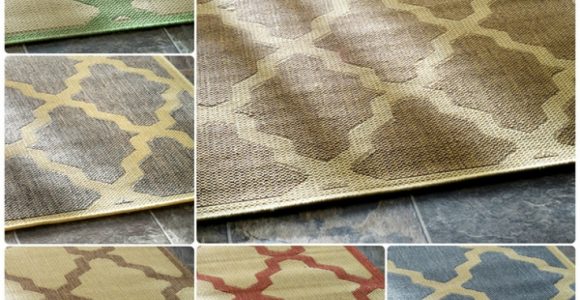
Choose a rug made for exterior use, with fibers that resist fading, mildew, and occasional moisture. A low-pile design is easier to clean and less likely to trap leaves. Select a pattern that complements nearby paving and planting rather than competing with them; subtle stripes, woven textures, and muted botanical colors work well in calm spaces.
Comfortable seating should support the back and allow a natural reading position. Deep lounge chairs, adjustable recliners, and compact garden sofas are useful choices. Add cushions covered in solution-dyed or weather-resistant fabric, but store them in a waterproof box when heavy rain or long periods of poor weather are expected.
Layer Shade, Light, And Privacy
Shade is essential for reading because glare can cause eye strain and make pages difficult to see. A retractable awning allows you to adjust coverage during the day, while a fixed canopy offers dependable protection. Slatted pergolas provide filtered sunlight and can support climbing plants, although they may need a fabric cover for full midday shade.
Privacy improves concentration and gives the nook a more intimate character. Tall planters, trellis panels, ornamental grasses, and evergreen shrubs can screen neighboring properties without creating a heavy barrier. If wind is a problem, consider a garden windbreak fence that protects the seating area while contributing to the garden’s overall design.
Outdoor lighting should be soft, directed, and easy to control. A rechargeable table lamp, warm string lights, or discreet wall fixtures can extend reading into the evening. Avoid placing a bright light directly behind or above the reader, since it can create reflections and harsh shadows across the page.
| Feature |
Practical Choice |
Design Benefit |
| Seating |
Adjustable lounge chair |
Supports different reading positions |
| Ground surface |
Outdoor rug over paving |
Adds warmth and defines the nook |
| Shade |
Retractable awning |
Allows flexible sun control |
| Privacy |
Trellis, screen, or hedge |
Creates a sheltered atmosphere |
| Lighting |
Warm LED table lamp |
Makes evening reading comfortable |
| Storage |
Weatherproof deck box |
Keeps cushions and books protected |
Select Furniture That Invites Reading
The central chair should be chosen for long periods of use rather than appearance alone. Test the seat height, back angle, armrest width, and cushion firmness. A chair that looks elegant but leaves your neck unsupported will quickly become uncomfortable, especially during extended reading sessions.
A small side table is almost as important as the chair. It should be stable enough for a mug, reading glasses, and a book, with a surface that tolerates condensation and sunlight. Round tables soften a formal patio, while narrow rectangular tables fit neatly beside a chair in a tight corner.
A footstool can improve comfort and make a single seat feel more generous. Choose a lightweight version that can be moved when the area needs cleaning or repurposing. If space allows, an ottoman with hidden storage can hold blankets, magazines, or a small outdoor cushion.
Add Greenery And Sensory Details
Plants help a reading retreat feel established rather than staged. Use a mix of heights: a taller pot or shrub behind the chair, medium containers beside the table, and low planting around the edges. Repetition of one or two colors will create a more cohesive look than filling the area with unrelated species.
Fragrant plants can make the nook especially appealing. Lavender, rosemary, jasmine, mint, and scented geraniums release pleasant aromas when brushed or warmed by the sun. Choose plants suited to the amount of light and moisture available, and avoid placing strongly scented flowers so close that they become distracting.
Edible planting can bring texture and usefulness to the space at the same time. Herbs in attractive containers, compact berries, or leafy greens can sit near the reading chair without overwhelming it. Ideas for edible garden planting can help combine harvestable plants with ornamental structure, creating a garden view that changes through the seasons.
Keep plant maintenance realistic. Containers dry out faster than garden beds, especially on paved patios, so grouping pots together can make watering easier. Use saucers carefully to prevent standing water from marking the surface, and select lightweight planters if you expect to rearrange the nook frequently.
Make The Space Work Through The Seasons
A well-designed outdoor reading area should remain useful beyond a few warm weeks. In spring, lightweight cushions and fresh planting may be enough. During summer, shade and breathable fabrics become priorities. In autumn, add a throw, lantern, and wind protection so the area still feels inviting on cooler days.
Weather-resistant materials reduce maintenance. Powder-coated aluminum is light and does not require frequent sealing, while teak and other durable hardwoods develop a natural patina when maintained correctly. Resin wicker can provide a softer traditional appearance, but check that its frame and weave are rated for outdoor exposure.
Storage should be planned from the beginning rather than added as an afterthought. A lidded bench, deck box, or weatherproof cabinet protects textiles and keeps the space orderly. Books should not be left outside overnight, even when the furniture and accessories are designed for outdoor use.
Finish With Practical Personal Touches
The final details should support the reading habit rather than clutter the setting. Keep a small tray for drinks, a clip for holding pages open, and perhaps a soft blanket within easy reach. Choose accessories that can be moved indoors quickly when strong weather arrives.
Use color to connect the nook with the home and surrounding garden. Repeating the tone of a door, fence, planter, or nearby flowers can make the area feel intentional. Natural wood, stone, terracotta, and woven fibers are particularly effective for a relaxed outdoor living space.
- Measure the available area before purchasing a chair, rug, or side table.
- Position seating to avoid direct glare during your preferred reading hours.
- Select cushions, rugs, and finishes that are rated for outdoor conditions.
- Include a convenient place for books, drinks, blankets, and lighting.
- Review drainage, shade, and wind protection before finalizing the layout.
A cozy garden reading nook does not require a large budget or extensive construction. A comfortable chair, a dependable shade solution, a small table, and a few well-chosen plants can transform an unused corner into a daily escape. Begin with the site’s natural advantages, add layers of comfort, and choose materials that can withstand the way your household actually uses the outdoors.
Once the basic arrangement is in place, spend time using it at different hours. Move the chair if the sun reaches the page, adjust the lighting if it feels too bright, and add privacy where passing activity interrupts the view. With a few thoughtful changes, your patio or garden can become a welcoming place to read, rest, and enjoy the changing character of the seasons.