Nuloom Outdoor Rugs
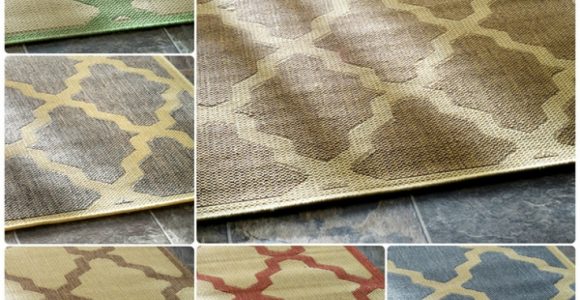



Nuloom Outdoor Rugs with pictures released for to offer the concepts to influence enhancing your home. This post of Nuloom Outdoor Rugs have of our collection pictures as well as gallery for embe...
Nuloom Outdoor Rugs with pictures released for to offer the concepts to influence enhancing your home. This post of Nuloom Outdoor Rugs have of our collection pictures as well as gallery for embe...
Weathered concrete pavers can make an otherwise attractive courtyard, path or entertaining area look tired. Dust, leaf tannins, algae, mould, rust marks and white mineral deposits gradually dull the original colour, especially where paving stays damp or receives heavy foot traffic.
The good news is that most stained outdoor paving can be refreshed without replacing it. A careful combination of sweeping, gentle washing, targeted stain treatment and sensible sealing can restore a cleaner appearance while preserving the texture that makes concrete pavers practical.
Australian conditions make regular care particularly useful. Strong sun can fade exposed surfaces, while humid coastal areas encourage mildew and Brisbane-style summer storms can wash soil and organic debris across paths. In Melbourne and Adelaide, shaded courtyards may stay damp through winter, creating another ideal setting for green growth.
Cleaning also improves everyday comfort. A neat paved area feels better under bare feet, looks more inviting beside an outdoor dining setting and provides a cleaner base for a barbecue, pot plants or play space. The key is matching the treatment to the stain and avoiding methods that damage the cement surface.
Concrete pavers are porous, so they absorb fine dirt and spills rather than keeping everything on the surface. Soil carried in from garden beds, food grease from outdoor entertaining and fallen leaves can leave brown or grey patches. Gum leaves and bark are especially troublesome because their tannins create dark stains after rain.
Green or black discolouration usually points to algae, moss or mould. These growths are common on shaded paving, beside pools and under dense planting. In coastal suburbs, salt carried by sea air can settle on the surface, while irrigation overspray may leave pale mineral marks after repeated evaporation.
White, powdery deposits are often efflorescence. This occurs when moisture moves through concrete and brings soluble salts to the surface. Efflorescence is usually cosmetic, although persistent dampness beneath the pavers may indicate poor drainage. Identifying the cause helps prevent a freshly cleaned surface from becoming marked again.
Begin by checking whether the paving is sound. Look for rocking units, cracked edges, loose jointing sand, crumbling corners and areas where water pools after rain. Cleaning will improve the appearance, but it will not correct subsidence or drainage problems. Stabilise loose pavers and refill open joints before applying a large amount of water.
Sweep thoroughly with a stiff outdoor broom, then remove weeds from the joints. Do not start with a pressure washer, as blasting dirt across an unswept surface can spread staining and strip jointing material. Take note of nearby painted walls, rendered surfaces, plants and metal furniture that may be affected by cleaning products.
Test any solution in a hidden corner first. Concrete pavers vary in colour, aggregate and surface finish, so a product that works well on one batch may leave another looking uneven. A small test also shows whether the stain is organic, oily, mineral-based or simply ingrained dirt.
For routine grime, use a bucket of warm water with a small amount of pH-neutral outdoor cleaner or mild dishwashing liquid. Apply it to a manageable area, allow a few minutes for the dirt to loosen, scrub with a stiff nylon brush and rinse thoroughly. Work from the highest point towards a suitable drainage area so dirty water does not run back over cleaned paving.
For green growth, a concrete-safe mould and algae treatment can be more effective than soap alone. Follow the label carefully, keep children and pets away during use and protect nearby plants from overspray. Sodium percarbonate products are often useful for organic staining, but they still require correct dilution and a thorough rinse.
A repeatable routine makes the job safer and more effective:
Many Australian homeowners buy paving cleaners and stiff brooms from hardware retailers such as Bunnings, but product labels deserve close attention. Avoid combining chemicals, particularly bleach, acids and ammonia-based cleaners. Never pour concentrated cleaning solution into a stormwater drain, as local councils commonly prohibit pollutants entering waterways. Use the minimum water needed and direct runoff onto a suitable garden or wastewater collection point where regulations permit.
A pressure washer can quickly reveal brighter paving, but excessive pressure may etch the cement paste, expose aggregate or leave visible stripes. It can also remove jointing sand and force water beneath pavers. Start with the widest fan setting, keep the wand at a consistent distance and test at low pressure before moving closer.
Avoid hydrochloric acid and other strong acid cleaners unless a qualified paving professional specifically recommends them for a particular mineral deposit. Acid can lighten coloured concrete unevenly, corrode nearby metal and harm skin, eyes and vegetation. Vinegar is also a poor general-purpose choice because repeated acidity may affect cement-based surfaces and will not solve every type of stain.
Oil and grease need a different approach. Blot fresh spills with an absorbent material rather than rubbing them deeper into the pores. For older marks, apply a concrete-safe degreaser, allow dwell time as directed and agitate with a stiff brush. Several mild applications are safer than one aggressive treatment.
Rust stains from furniture, fertiliser or irrigation equipment should be treated with a product labelled for concrete and used only after a patch test. Do not assume a household rust remover is suitable for outdoor paving. If the stain remains deeply embedded, a paving contractor can assess whether controlled resurfacing or replacement of individual units is more practical.
Once the pavers are completely dry, inspect the joints. Replace missing sand with compatible jointing sand, brushing it in gradually and compacting it according to the product instructions. Polymer-modified jointing products can help limit weed growth and insect disturbance, but they need suitable weather conditions during installation.
A penetrating sealer can reduce water absorption, make future spills easier to remove and enhance the colour of some concrete pavers. Choose a breathable product intended for exterior concrete and consider whether you want a natural, low-sheen or enhanced finish. Glossy sealers can become slippery when wet and may look artificial on large areas.
Do not seal damp paving or trap moisture beneath the coating. In Sydney and other areas prone to sudden rainfall, check the forecast and allow a reliable dry period. Perth’s intense summer sun also makes UV resistance important, while homes near the coast should select a product designed to cope with salt exposure.
Sealing is helpful, but it is not a substitute for maintenance. Sweep regularly, clear leaves before they decompose and trim plants that shade the paving excessively. Check downpipes, irrigation heads and surface falls so water does not remain against the concrete after rain.
Bright pavers create a clean foundation for furniture, planting and outdoor textiles. Light or mid-tone concrete works well with timber, black metal and warm terracotta, while darker pavers can provide contrast beneath pale seating. If the area is used for dining, choose furniture feet that will not rust and leave orange marks on the surface.
An outdoor rug can define a seating zone and reduce the visual harshness of a large paved area, but it should be lifted regularly so moisture does not remain trapped underneath. Before choosing one, compare outdoor rug materials for their resistance to moisture, sunlight and everyday wear. A quick-drying synthetic option is often more practical for exposed Australian patios than a fibre that holds water.
Use planters with feet or risers to improve airflow and prevent circular stains. Keep potting mix, fertiliser and leaf litter off freshly cleaned surfaces, since organic matter can undo the work quickly. For homes in Queensland, shade cloth or a covered gazebo can reduce heat and weathering; in southern states, removable furniture covers help keep winter grime from settling on the paving.
A refreshed paved area should support how the household actually lives. Leave clear walking routes, position seating away from frequently wet zones and retain access to drains and inspection points. This approach makes the space easier to clean while improving its appearance throughout the year.
A deep clean is usually most useful at the end of winter or before the main outdoor entertaining season. In warmer northern regions, inspect more often because humidity, storms and rapid plant growth can accelerate staining. In drier areas, focus on dust, irrigation marks and fine soil carried across the surface by wind.
Cleaning water should be managed responsibly. Water restrictions vary by state and council, and some jurisdictions limit when mains water can be used outdoors. A broom, bucket and trigger nozzle generally use less water than an extended hose wash. Follow current local rules, avoid sending dirty runoff into stormwater systems and choose biodegradable products where possible.
Clean concrete pavers do not need to look brand new to look cared for. Even colour, clear joints and the removal of obvious organic stains can make a courtyard feel brighter and more spacious. Set aside a dry weekend, gather suitable tools and work in small sections so the surface receives a consistent treatment from edge to edge.
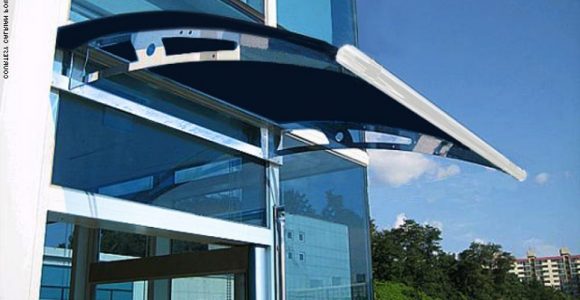

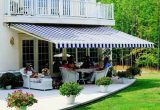
Awning definition, What is an awning? An awning is a cover made from canvas to sanctuary individuals or things from rain or sunlight, usually one will certainly use words awning about a roof-l...
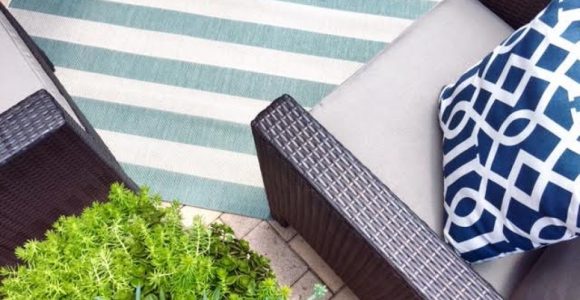



Frontgate outdoor rugs. These days embellishing does not have to be regarding custom-made, it could be regarding where to discover it currently and also exactly how to make it function for you. T...

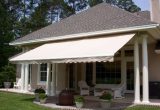


Retractable awning prices is influenced in various other means, too. On-line assemblers bill delivery costs, however this is more than balanced out by the reality they don't charge sales tax (bes...



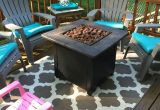

bed bath and beyond outdoor rugs (additionally called location rugs) not just include to the appearance of a space, yet likewise develop a setting including form, shade, and structure. Residence ...