Nuloom Outdoor Rugs
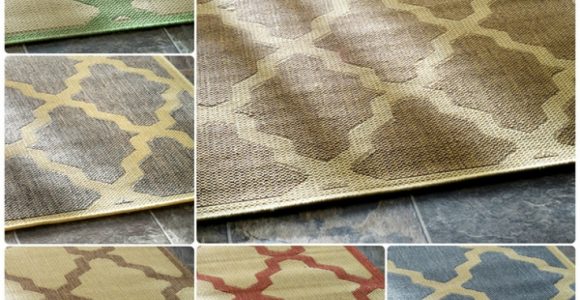



Nuloom Outdoor Rugs with pictures released for to offer the concepts to influence enhancing your home. This post of Nuloom Outdoor Rugs have of our collection pictures as well as gallery for embe...
Nuloom Outdoor Rugs with pictures released for to offer the concepts to influence enhancing your home. This post of Nuloom Outdoor Rugs have of our collection pictures as well as gallery for embe...
A patio heater can turn an unused terrace, balcony, or garden seating area into a comfortable place for evening meals and relaxed gatherings. The right model should provide steady warmth without dominating the space, wasting fuel, or creating a safety issue.
Size is about more than the heater’s height or physical footprint. Heating output, coverage area, mounting position, wind exposure, ceiling clearance, and the arrangement of your furniture all influence whether a heater feels effective. A small electric unit may suit a sheltered balcony, while a larger gas model may be necessary for an open patio.
The best choice supports the way you use your outdoor living area. Before shopping, measure the space, identify the main seating zone, and decide whether you need broad ambient warmth or focused heat directed at a dining table.
Measure the part of the patio where people will actually sit rather than the entire paved area. A 12-by-16-foot terrace has 192 square feet of surface area, but you may only need to heat the central dining and conversation zone. This distinction can prevent you from buying an oversized patio heater for space that is rarely occupied.
Most residential outdoor heaters list an estimated heating radius or coverage area. Treat these figures as a useful guide rather than a guarantee. Manufacturers often measure performance in calm conditions, while real patios may be affected by breezes, damp air, surrounding walls, and open-sided layouts.
A compact heater may warm a small bistro set effectively, while a larger seating arrangement could require two strategically positioned units. Multiple modest heaters often deliver more even comfort than one powerful model placed at the edge of a long patio.
Gas patio heaters are commonly rated in BTUs, while electric models are described in watts. Higher output generally means a larger coverage area, but it does not automatically mean better performance. An overly powerful heater can create uncomfortable hot spots and consume unnecessary energy.
For a sheltered patio of roughly 50 to 100 square feet, a small electric heater or lower-output gas model may be sufficient. Medium areas between 100 and 200 square feet often benefit from a unit in the mid-range. Larger or exposed patios may need a high-output heater, two smaller units, or a combination of overhead and tabletop heating.
Wind is one of the most important variables. Heat disperses quickly in an open yard, especially when the heater is positioned far from walls or planted boundaries. If your patio is exposed, choose a model with enough output to compensate, or improve comfort with screens, fencing, a pergola, or an awning. Thoughtful outdoor design ideas can make the heating system work more efficiently by creating a naturally sheltered zone.
The following ranges can help narrow your options. Exact performance varies by model, fuel type, reflector design, weather, and installation height.
| Patio or seating area | Typical heater approach | Suitable output guide | Best use |
|---|---|---|---|
| Up to 75 sq. ft. | Compact electric or tabletop unit | 1,200–1,500 watts or 5,000–8,000 BTUs | Balcony seating, small café table |
| 75–150 sq. ft. | Freestanding electric or small gas heater | 1,500–2,000 watts or 8,000–12,000 BTUs | Bistro area or compact lounge |
| 150–250 sq. ft. | Medium freestanding or wall-mounted unit | 2,000–2,500 watts or 12,000–20,000 BTUs | Standard patio dining area |
| 250–400 sq. ft. | High-output unit or two coordinated heaters | 20,000–40,000 BTUs or multiple electric units | Large seating and dining zones |
| Over 400 sq. ft. | Several heaters placed around activity areas | Based on separate coverage zones | Expansive, open patios |
These figures should not be used as a substitute for the manufacturer’s installation instructions. A heater mounted under a covered roof may warm the area differently from a freestanding unit in an exposed garden. Dividing a large patio into functional zones usually produces more consistent comfort than trying to heat every corner simultaneously.
For a long rectangular patio, position heaters near the areas where guests gather, keeping their heat patterns from overlapping excessively. For a square patio, a central or slightly offset location may distribute warmth more evenly. Avoid placing a single heater behind a wall or large sofa where its radiant heat cannot reach the seating.
Freestanding patio heaters are versatile and easy to reposition. Their tall profile directs warmth across a broad radius and works well beside lounge furniture or dining tables. However, they require a stable base and enough floor space to avoid obstructing walkways. A weighted base is especially important in windy locations.
Tabletop heaters are designed for smaller spaces and provide close-range warmth. They suit compact balconies, apartment terraces, and small dining arrangements, although their coverage is limited. Because they sit near people and furniture, check the heat direction, base stability, and required clearance carefully.
Wall-mounted and ceiling-mounted electric heaters save floor space and can be a strong option for covered patios. They deliver targeted radiant heat, making them useful above a dining table or beside a seating wall. Their fixed position requires more planning, and installation must follow electrical and structural requirements.
Hanging infrared heaters can create a clean, integrated appearance beneath a pergola or covered terrace. Infrared heat warms people and nearby surfaces directly rather than primarily warming the air, so it can feel effective in breezy conditions. The heater still needs correct mounting height and clearance from ceilings, fabrics, plants, and other combustible materials.
The physical size of the heater should complement the furniture arrangement. A wide reflector may provide broader coverage, but it can feel intrusive beside a narrow path. Measure the heater’s base, overhead profile, and door clearance before buying, particularly on a small patio.
Place freestanding units so that guests do not need to walk around them constantly. Keep them away from steps, children’s play areas, curtains, umbrellas, and low branches. A heater should never be used beneath a canopy or awning unless the product is specifically approved for that setting and the required ventilation and clearance are maintained.
Mounting height changes the heat pattern. A unit installed too high may spread warmth thinly before it reaches the seating, while one installed too low can create excessive heat in a concentrated area. Follow the manufacturer’s minimum and maximum mounting distances, including the space above, below, and around the heating element.
Furniture placement also matters. Dense outdoor sofas and high-backed chairs can block radiant heat, leaving some guests warm while others remain cold. Arrange seating within the heater’s effective zone and leave enough open space for heat to travel across the group.
Electric patio heaters are often convenient for smaller residential spaces because they start quickly, operate quietly, and do not require fuel storage. They are particularly practical where a suitable outdoor electrical connection is already available. Infrared electric models can provide focused warmth without taking up much floor space.
Gas heaters offer strong output and flexibility in locations without convenient electrical access. Propane models are usually portable, while natural-gas units require a permanent connection. Gas equipment needs adequate ventilation and careful cylinder storage, and some residential settings may have restrictions on where it can be operated.
Your local weather should influence the final decision. In a damp but sheltered courtyard, an electric infrared heater may feel comfortable and efficient. On an exposed deck, a powerful gas model may perform better, although wind can still reduce its effectiveness. Adding a windbreak, privacy screen, or dense planting can improve comfort and reduce the amount of heat lost to the surrounding air.
Energy use should be considered alongside purchase price. A heater that is slightly more expensive but correctly sized may cost less to operate than an oversized model running at full power. Check wattage, fuel consumption, heat settings, timer functions, and replacement-part availability before making a choice.
For many patios, one heater is enough when the seating is compact and arranged within a clear coverage zone. A central freestanding heater beside a small table can provide a practical solution without visual clutter. Use a lower setting first and increase it only when necessary.
Two heaters are often better for wide or irregular spaces. Place them at opposite ends of the seating area or along the length of a dining table, leaving enough distance to prevent competing hot spots. Independent controls allow you to heat only the occupied portion of the patio.
A mixed arrangement can also work well. For example, a wall-mounted infrared heater may warm a covered dining area while a portable gas heater serves a separate lounge zone. This approach adapts to different activities and lets you avoid heating unused areas.
Before installing anything permanently, test the layout with temporary furniture positions and note where people naturally gather. If possible, borrow or hire a similar heater for an evening. Real-world testing reveals issues such as glare, noise, wind exposure, and uneven coverage that product specifications cannot show.
Use these checks to select a heater that fits the space, the furniture, and the way your household uses the patio:
A well-sized heater should feel comfortable across the main seating area rather than intensely hot in one spot. It should also fit naturally into the patio design, leaving room for movement and preserving the visual balance of furniture, paving, planting, and outdoor accessories.
The right patio heater becomes part of a larger outdoor living plan. Combine it with durable furniture, layered lighting, weather-resistant textiles, and a sheltered layout to extend the useful season of your patio. A heater cannot compensate for poor placement, strong drafts, or an arrangement that separates guests from the radiant heat.
Start by measuring your space and identifying the area that matters most. Then compare heater formats, heating output, mounting options, and safety clearances before selecting a model. With the right balance of size and placement, your patio can remain inviting through cool evenings while using space and energy responsibly.
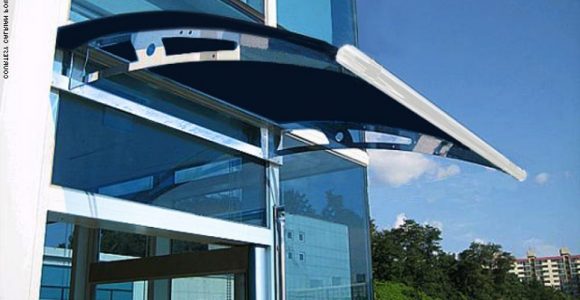
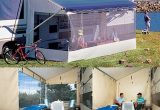

Awning definition, What is an awning? An awning is a cover made from canvas to sanctuary individuals or things from rain or sunlight, usually one will certainly use words awning about a roof-l...
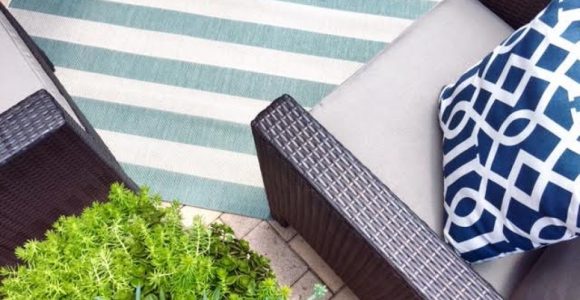



Frontgate outdoor rugs. These days embellishing does not have to be regarding custom-made, it could be regarding where to discover it currently and also exactly how to make it function for you. T...


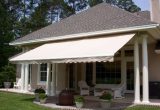


Retractable awning prices is influenced in various other means, too. On-line assemblers bill delivery costs, however this is more than balanced out by the reality they don't charge sales tax (bes...

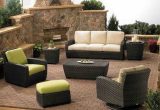



bed bath and beyond outdoor rugs (additionally called location rugs) not just include to the appearance of a space, yet likewise develop a setting including form, shade, and structure. Residence ...