Nuloom Outdoor Rugs
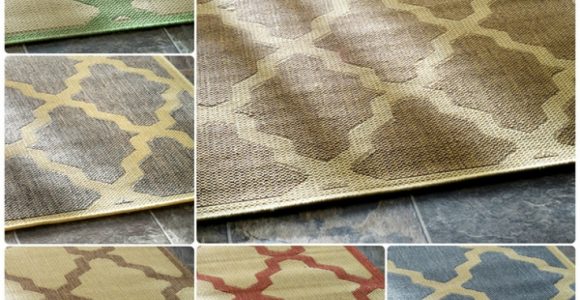



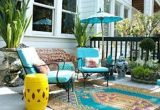
Nuloom Outdoor Rugs with pictures released for to offer the concepts to influence enhancing your home. This post of Nuloom Outdoor Rugs have of our collection pictures as well as gallery for embe...
Nuloom Outdoor Rugs with pictures released for to offer the concepts to influence enhancing your home. This post of Nuloom Outdoor Rugs have of our collection pictures as well as gallery for embe...
An outdoor rug can make a patio feel like a genuine extension of the home, softening hard paving and defining areas for dining, lounging, or entertaining. On a busy terrace, however, appearance is only part of the decision. Constant foot traffic, spilled drinks, food crumbs, damp weather, and direct sunlight can quickly expose a weak material or unsuitable construction.
The best patio rug balances durability with comfort and visual appeal. It should be easy to clean, resistant to fading, stable under furniture, and suitable for the amount of moisture your outdoor space receives. Choosing carefully at the beginning prevents curling edges, trapped water, mildew smells, and premature replacement.
Whether the surface is concrete, stone paving, decking, or porcelain tile, the right design can connect the furniture and landscaping into a more considered arrangement. These practical guidelines will help you compare fibres, weaves, sizes, colours, and maintenance needs before buying.
Start by observing the busiest parts of the patio. A rug beneath a dining table may deal with chair movement, dropped food, and frequent sweeping, while one beside a sofa may experience less friction but more contact with damp cushions, pets, or children. A route between the back door and the garden needs a particularly resilient surface because people will cross it repeatedly.
Consider whether shoes are usually worn outside, whether the patio is used year-round, and how often furniture is moved. Lightweight flatweave rugs are convenient for occasional use, but they may shift when dining chairs are pulled back and forth. Heavier rugs tend to stay in position and feel more substantial beneath outdoor seating.
Sun exposure is another important factor. A south-facing patio can fade intense colours quickly, especially when the rug is left outside through the summer. Covered patios have more flexibility, although moisture and poor ventilation can still affect the backing and the paving underneath.
Polypropylene is one of the most practical choices for a high-traffic patio. This synthetic fibre is widely used for outdoor rugs because it resists moisture, dries relatively quickly, and holds colour well. It can be produced in dense, attractive weaves that resemble wool or natural plant fibres without requiring the same level of care.
Recycled plastic rugs are another useful option, particularly for covered areas or patios where easy cleaning is a priority. They are often resistant to stains and can be rinsed with water. Their texture may feel slightly firmer underfoot, so they work especially well beneath dining furniture, benches, and outdoor coffee tables.
Natural fibres such as jute, sisal, seagrass, and untreated cotton create a relaxed, organic look, but they need more protection. They can absorb water, develop mildew, or become brittle after repeated exposure to rain and intense sunlight. Use them in a sheltered setting, and check the manufacturer’s instructions before leaving them outdoors.
Construction matters as much as the fibre. A tightly woven, low-pile rug is generally easier to vacuum and less likely to trap grit than a thick, shaggy design. Avoid delicate fringe on a busy patio because it can collect leaves, catch under chair legs, and become untidy along walkways.
A correctly sized outdoor area rug should anchor the furniture rather than look like an isolated mat. Under a dining set, choose a rug large enough for chairs to remain on the rug when pulled away from the table. Measure the table first, then add enough space around every side for comfortable movement.
For a lounge arrangement, placing the front legs of sofas and chairs on the rug creates a unified seating zone. A larger rug that accommodates all furniture will look more intentional, though a smaller design can work when the patio is compact. Leave a visible border of paving around the edges so the rug does not make the space feel crowded.
Shape can help define the layout. Rectangular rugs suit long dining tables and linear seating, while round rugs soften square patios or work well beneath circular tables. Runner-style designs are useful beside outdoor kitchens, along covered walkways, or in narrow transition areas, but they should be wide enough to walk on comfortably.
Before shopping, mark the proposed dimensions with masking tape or folded sheets. This simple test reveals whether doors can open, chairs can move, and the rug will interfere with planters, steps, or drainage channels.
| Patio situation | Suitable rug choice | Key benefit | Watch for |
|---|---|---|---|
| Busy dining area | Dense, low-pile polypropylene | Handles chair movement and spills | Select a size that keeps chairs on the rug |
| Family seating zone | Heavy flatweave synthetic rug | Stable and comfortable underfoot | Use a non-slip pad if the surface is smooth |
| Covered patio | Recycled plastic or protected natural fibre | Broad style options with easier upkeep | Maintain airflow to prevent dampness |
| Fully exposed terrace | Quick-drying polypropylene | Better resistance to sun and rain | Lift it periodically to dry the paving |
| Narrow garden route | Outdoor runner with a firm weave | Defines movement through the space | Secure corners against wind and trips |
A rug should never block the patio’s ability to shed water. If rain collects beneath it, the paving may develop stains, algae, or efflorescence, while the rug itself can retain an unpleasant smell. Use a breathable design and avoid placing it over areas where water already pools.
Raised textures and heavy rubber-backed products can hold moisture against the ground. They may be suitable for some balconies or covered porches, but they require regular lifting and drying in exposed locations. A flatter, open construction is usually preferable for a paved patio.
Slip resistance deserves attention, especially on porcelain tiles, painted concrete, and smooth decking. An outdoor rug can move when stepped on or when furniture is dragged across it. Look for a rug pad designed for exterior use, corner grips, or discreet furniture placement that helps keep the rug secure. Do not use an indoor underlay that absorbs water or breaks down in sunlight.
Check the edges after installation. Corners should lie flat, and the rug should not extend across steps or narrow door thresholds. If it arrives rolled, reverse-roll it gently or weigh the corners with furniture until it settles. A loose edge is a trip hazard and will deteriorate faster in a busy passage.
An outdoor rug has a strong visual effect because patios often contain large areas of neutral paving. Choose a colour that relates to the house exterior, fencing, awning, cushions, or nearby planting. Warm terracotta, sand, olive, and charcoal tones can connect hard landscaping with natural greenery, while blue and grey shades suit cooler stone and contemporary furniture.
Pattern is highly practical in a high-use space. Small-scale geometric designs, subtle stripes, and variegated surfaces disguise dust and occasional marks better than a plain pale rug. Very busy patterns can make a compact patio feel restless, so scale the design to the surrounding furniture and architecture.
Think about how the rug will look when wet, shaded, or partially covered by chairs. Request a material sample if possible, since online images may not show the true texture or colour. A pattern that seems strong in a shop can become balanced once it sits beneath a table, while a very subtle rug may disappear against similar-toned paving.
For broader inspiration about blending furniture, finishes, and outdoor living areas, explore French Creative Connection alongside your patio planning. A cohesive scheme usually comes from repeating a few tones and textures rather than matching every item exactly.
Regular maintenance is easier than trying to restore a neglected patio rug. Shake or vacuum it frequently to remove grit, leaves, and pollen before they become embedded in the weave. Use a soft brush on textured surfaces, and avoid aggressive scrubbing that can roughen synthetic fibres.
Deal with spills promptly using mild soap and clean water. Blot oily or coloured marks first, then rinse thoroughly so soap residue does not attract more dirt. Always follow the care label, since some rugs can be hosed down while others should be spot-cleaned only.
Lift the rug every few weeks, particularly after heavy rain, to inspect both sides and allow the paving to dry. Clean underneath as well, since trapped grit can mark stone and moisture can encourage organic growth. During prolonged wet or frosty periods, store the rug in a dry, ventilated place if the manufacturer recommends seasonal removal.
Use these checks before making a purchase:
The strongest result comes from treating the rug as one element in a complete outdoor room. Pair it with furniture that leaves enough visible surface around the edges, and repeat one or two of its colours in cushions, planters, or lanterns. This creates visual continuity without making the patio feel overly coordinated.
Layering can work in large spaces, but avoid placing rugs directly over one another where edges could catch. Instead, use separate designs to distinguish a dining zone from a lounge area, leaving a clear strip of paving between them. This makes movement easier and helps each area retain its own identity.
Review the practical details after the first few weeks of use. If the rug moves, add better grips. If chairs catch on the edge, adjust the position or size. If moisture remains underneath, change the drying routine or select a more breathable material. A good outdoor rug should support everyday life rather than require constant caution.
Choose the rug that fits the patio’s real conditions, not just the look of a showroom photograph. Measure carefully, favour durable fibres and secure construction, and establish a simple care routine from the start. With those decisions in place, a well-chosen rug can make a high-traffic patio more comfortable, polished, and welcoming for many seasons.

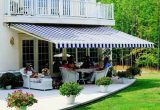
Awning definition, What is an awning? An awning is a cover made from canvas to sanctuary individuals or things from rain or sunlight, usually one will certainly use words awning about a roof-l...
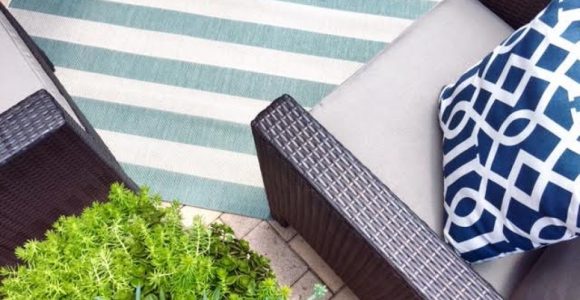


Frontgate outdoor rugs. These days embellishing does not have to be regarding custom-made, it could be regarding where to discover it currently and also exactly how to make it function for you. T...


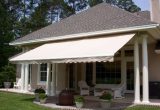


Retractable awning prices is influenced in various other means, too. On-line assemblers bill delivery costs, however this is more than balanced out by the reality they don't charge sales tax (bes...

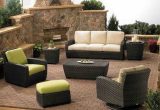
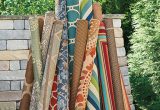
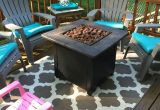
bed bath and beyond outdoor rugs (additionally called location rugs) not just include to the appearance of a space, yet likewise develop a setting including form, shade, and structure. Residence ...