Nuloom Outdoor Rugs
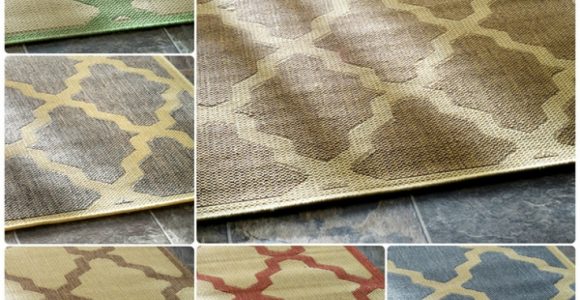



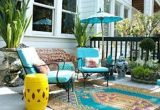
Nuloom Outdoor Rugs with pictures released for to offer the concepts to influence enhancing your home. This post of Nuloom Outdoor Rugs have of our collection pictures as well as gallery for embe...
Nuloom Outdoor Rugs with pictures released for to offer the concepts to influence enhancing your home. This post of Nuloom Outdoor Rugs have of our collection pictures as well as gallery for embe...
An outdoor rug can make a patio, porch, balcony, or garden seating area feel finished and comfortable. It defines furniture zones, softens hard paving, and adds color without the commitment of replacing tiles or repainting walls. In busy spaces, however, appearance is only part of the decision. The rug must tolerate frequent footsteps, furniture movement, spilled drinks, muddy shoes, and changing weather.
The best choice balances durability, drainage, comfort, and visual appeal. A low-maintenance polypropylene rug may suit a family patio, while a tightly woven recycled-plastic design can work better beneath a dining set. Before browsing patterns, consider where the rug will sit, how often the area is used, and how much cleaning you are prepared to do.
For broader ideas on coordinating outdoor furniture, paving, and decorative details, French Creative offers practical inspiration for improving connected indoor and outdoor living spaces. With the setting in mind, it becomes easier to choose a rug that looks intentional rather than simply filling an empty patch of flooring.
Start by identifying the type and intensity of traffic the rug will receive. A covered porch with occasional visitors has different needs from a poolside route, a kitchen-adjacent terrace, or a play area used by children and pets. High-traffic zones benefit from a dense, flat weave that resists crushing and does not create a raised edge people can catch with their feet.
Think about the direction people naturally walk. If guests cross the rug repeatedly to reach a back door, select a design with strong colorfastness and a surface that hides small marks. Rugs placed under dining tables face a different kind of wear: chair legs can pull at the fibers, and food debris may become trapped beneath the weave.
The surface below matters as well. Paving, concrete, composite decking, and timber each influence how quickly moisture evaporates. On smooth surfaces, a rug pad can improve stability, but the pad must be suitable for outdoor use and should not retain water against the floor.
Polypropylene is one of the most practical materials for an outdoor area rug. It resists moisture, mildew, fading, and many everyday stains, while modern manufacturing techniques allow it to resemble wool, sisal, or cotton. It is also relatively light, making the rug easier to lift, shake, and wash.
Recycled plastic and PET fibers offer similar advantages, often with a slightly textured or woven finish. These rugs are useful for patios exposed to damp conditions because they dry quickly and are less inviting to mold. Some can be hosed down, although the product instructions should always take priority.
Natural fibers such as jute, sisal, bamboo, and untreated cotton can bring attractive warmth to a sheltered veranda. They are less reliable in fully exposed, high-use locations because they absorb moisture and may develop staining, mildew, or uneven fading. If you prefer a natural look, consider a synthetic rug with a woven texture instead of using a genuinely delicate fiber outdoors.
Look closely at the backing too. A latex or rubberized backing may improve grip, but some types can mark certain decking materials or prevent proper airflow. A breathable, reversible rug is often a safer option for an uncovered patio, particularly when it can be lifted regularly to dry the paving underneath.
Construction affects how a rug responds to constant use just as much as the fiber itself. Flat-weave rugs have little or no pile, so they are easier to sweep, less likely to hold grit, and more stable beneath chairs. A low pile offers slightly more softness while remaining practical for outdoor dining and circulation routes.
Higher-pile rugs feel comfortable under bare feet, but they can trap leaves, sand, and moisture. They also tend to show compression beneath heavy furniture. Reserve plush designs for sheltered seating areas where comfort is more important than rapid cleaning and constant footfall.
| Rug construction | Strengths | Limitations | Suitable location |
|---|---|---|---|
| Flat weave | Easy to clean, stable, quick to dry | Less cushioned underfoot | Walkways, dining areas, busy patios |
| Low pile | Comfortable and versatile | Can collect some dirt | Covered seating areas and porches |
| Braided synthetic | Flexible, decorative, often reversible | Edges may curl if poorly finished | Verandas and casual garden seating |
| High pile | Soft and luxurious | Holds moisture and debris | Sheltered lounges with light traffic |
| Indoor-outdoor plastic weave | Durable, stain resistant, lightweight | May feel less soft | Family terraces, balconies, pool surrounds |
A tightly woven rug with reinforced edges is usually a sound investment for busy outdoor spaces. Inspect the stitching around the perimeter, since loose binding can unravel when exposed to chair legs, vacuuming, or repeated movement. If the rug will sit beneath a table, confirm that the weave is smooth enough for chairs to slide without catching.
A rug that is too small can make an outdoor seating arrangement look disconnected. For a lounge set, aim for at least the front legs of the chairs and sofa to rest on the rug. A larger option that accommodates all furniture creates a more unified zone and reduces the chance of feet catching the rug edge.
Under an outdoor dining table, the rug should extend beyond the chairs even when they are pulled back. Measure the table, then add enough space for chair movement on every side. A rug that ends directly beneath the chair legs will bunch, curl, and become a safety concern.
Rectangular rugs suit long dining tables and standard patio layouts, while round designs can soften square paving or emphasize a circular table. Runner rugs are useful for narrow balconies, side passages, and routes between a house and garden seating area. For irregular spaces, overlapping smaller rugs may be more practical than forcing one large design into an awkward footprint.
Use painter’s tape to mark the proposed dimensions on the patio before purchasing. This simple step shows how much flooring will remain visible and helps you check doors, steps, furniture legs, and drainage points. Remember that a rug should support the layout rather than block the path through it.
Outdoor rugs can connect architectural materials that might otherwise feel separate. A neutral design works well with colorful cushions, painted fencing, or patterned planting containers, while a stronger geometric print can give plain concrete or pale paving more character. Consider the tones already present in walls, decking, stone, and garden furniture before choosing a dominant color.
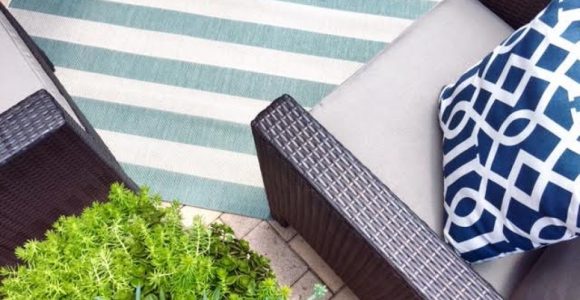
Patterns are particularly useful in high-traffic locations because they disguise small marks better than a completely plain surface. Stripes can make a narrow terrace seem longer, while broad geometric motifs help define a large seating area. Very intricate patterns may look busy when combined with heavily planted borders or ornate furniture, so scale matters.
Fading is inevitable in strong sunlight, even with UV-resistant materials. Mid-toned colors and subtle variations generally maintain a fresh appearance longer than very dark or intensely saturated shades. If the space receives uneven sunlight, rotate the rug occasionally so one section does not fade faster than another.
The rug should also relate to nearby garden features. A thoughtfully framed patio, attractive gate, or decorative boundary can benefit from a textile that echoes its colors rather than competing with it. Ideas for integrating access points with the wider landscape can be found among these fence gate ideas, especially when a rug forms part of a larger garden makeover.
Before buying, check the care instructions and decide whether the rug can be hosed, spot-cleaned, machine-washed, or simply shaken out. A washable design is convenient near a barbecue or children’s play zone, but a large rug may be difficult to fit into a domestic washing machine. In that case, choose a lightweight material that can be cleaned outdoors and dried quickly.
Sweep loose debris regularly rather than allowing grit to work into the weave. Clean spills as soon as possible with mild soap and water, avoiding harsh bleach unless the manufacturer specifically permits it. Pet accidents, food grease, and sunscreen may require different treatments, so a small hidden-area test is wise before using any cleaning product.
Allow the rug to dry completely after washing or heavy rain. Laying it over a railing or several clean supports can improve airflow, but avoid dragging wet fabric across delicate decking. In prolonged periods of poor weather, store the rug rolled rather than folded in a dry, ventilated place. Folding can leave permanent creases and may stress the backing.
Good drainage beneath the rug is essential. Lift it every few weeks to inspect the paving or decking for trapped leaves, damp patches, algae, or color transfer. This routine protects both the textile and the surface beneath it, extending the life of the entire outdoor arrangement.
A short checklist helps separate attractive options from genuinely suitable ones. Product photographs can make almost any rug look appealing, but the specifications reveal whether it will cope with your particular outdoor conditions.
Before placing an order, check these details:
Also consider storage, especially if the patio experiences freezing temperatures or extended rain. A rug that is easy to roll, carry, and store may remain attractive for several seasons longer than a heavy design that is rarely moved. If wind is common, prioritize a heavier weave or secure the rug appropriately without creating a trip hazard.
Budget should be judged against expected use rather than size alone. A modestly priced rug may be excellent for a sheltered balcony, while a slightly more expensive, tightly woven option can offer better value beneath a busy dining set. Look for construction quality, warranty information, and care requirements before focusing on decorative details.
The right rug should make movement feel natural, give furniture a clear visual home, and tolerate the routines that take place around it. Prioritize a durable synthetic fiber, a low-profile construction, suitable dimensions, and easy maintenance when the space receives constant use. Then bring in color and pattern to support the character of the patio rather than overwhelm it.
Take measurements, mark the intended footprint, and review the rug’s care instructions before buying. Once installed, keep the surface clean, lift it periodically, and store it during severe weather when necessary. A considered choice will make the outdoor area more comfortable and polished while reducing replacement and maintenance costs over time.
Select a rug that matches the way your household actually uses the space, then use it as the foundation for a welcoming patio, porch, or garden seating area.

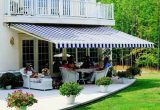
Awning definition, What is an awning? An awning is a cover made from canvas to sanctuary individuals or things from rain or sunlight, usually one will certainly use words awning about a roof-l...


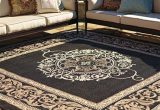
Frontgate outdoor rugs. These days embellishing does not have to be regarding custom-made, it could be regarding where to discover it currently and also exactly how to make it function for you. T...


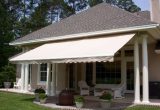


Retractable awning prices is influenced in various other means, too. On-line assemblers bill delivery costs, however this is more than balanced out by the reality they don't charge sales tax (bes...

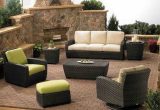
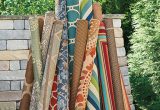
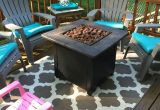
bed bath and beyond outdoor rugs (additionally called location rugs) not just include to the appearance of a space, yet likewise develop a setting including form, shade, and structure. Residence ...