Nuloom Outdoor Rugs
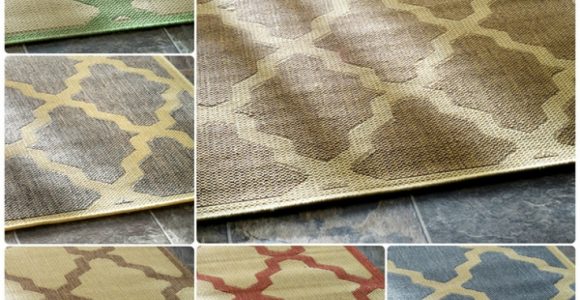


Nuloom Outdoor Rugs with pictures released for to offer the concepts to influence enhancing your home. This post of Nuloom Outdoor Rugs have of our collection pictures as well as gallery for embe...
Nuloom Outdoor Rugs with pictures released for to offer the concepts to influence enhancing your home. This post of Nuloom Outdoor Rugs have of our collection pictures as well as gallery for embe...
A patio dining table has to do more than fill an outdoor space. It should support everyday meals, weekend entertaining, and quiet morning coffee while standing up to sunlight, rain, temperature changes, and regular cleaning. The right material can make those routines easier and help the furniture remain attractive for many seasons.
Style matters, but it should work alongside practical requirements. A sleek metal table may suit a contemporary terrace, while warm timber can make a garden dining area feel more natural and welcoming. Stone, composite materials, and glass each offer different combinations of strength, maintenance, weight, and visual character.
Before buying, consider how much time you want to spend on care, where the table will be placed, and how often it will be moved or stored. Looking at broader patio design ideas can also help you coordinate the table with paving, outdoor rugs, fencing, planting, and shelter such as a gazebo or awning.
The location of the dining table is one of the strongest clues to the most suitable material. A fully exposed patio receives direct ultraviolet light and rainfall, so the surface needs reliable weather resistance. A covered terrace has more protection, although wind-blown moisture and changes in temperature can still affect outdoor furniture.
Think about the ground beneath the table as well. Heavy stone or concrete works well on a stable paved area, but may be difficult to reposition on decking or softer landscaping. Lightweight aluminium is easier to move but may need a broad base or adjustable feet in windy gardens.
Nearby trees can create another set of considerations. Falling leaves, sap, pollen, and bird activity are easier to manage on a smooth, non-porous surface. If the table sits close to a lawn or planting bed, choose a finish that can be wiped clean without requiring delicate treatment.
Timber remains popular because it brings texture and warmth to an exterior dining area. Teak contains natural oils that help it resist moisture, while eucalyptus and acacia can offer a more affordable alternative when properly sealed. Wood may gradually turn silver-grey outdoors, and preserving its original colour usually requires cleaning and periodic oiling or sealing.
Powder-coated aluminium is light, rust-resistant, and available in many colours. It suits modern patios and is convenient when furniture must be moved between sun and shade. Steel can provide a more substantial feel, though it needs a durable protective coating because scratches that expose the metal may lead to corrosion.
Stone and concrete create a grounded, architectural appearance. They are highly resistant to strong sunlight and generally need little more than routine cleaning, but their weight makes them difficult to relocate. Natural stone can also be porous, so sealing may be necessary to reduce staining from wine, oil, or food.
Glass gives a dining table a clean, open look and can make a compact patio appear less crowded. Tempered glass is the appropriate choice for outdoor furniture because it is stronger and designed to break into smaller pieces if damaged. However, fingerprints, rain marks, and dust are visible, and glass may feel less forgiving in homes with young children.
Composite and high-pressure laminate surfaces can imitate timber while requiring less maintenance. They are often resistant to fading, moisture, and everyday spills, although quality varies between products. Examine the frame as carefully as the tabletop, since a durable surface cannot compensate for weak joints or poorly protected supports.
Maintenance should be judged realistically rather than ideally. If outdoor furniture will be left in place throughout the year, a weather-resistant material with a stable finish is usually more practical than untreated timber. A table that needs frequent sanding or refinishing may become frustrating if the patio is used regularly.
All materials benefit from simple, consistent care. Remove standing water, brush away grit, and clean food spills promptly. Abrasive pads and harsh chemicals can damage protective coatings, so follow the manufacturer’s recommendations and test any cleaning product on an inconspicuous area first.
Wooden tables may need seasonal inspection for drying, surface cracks, or loose fasteners. Painted and powder-coated metal should be checked for chips and scratches. Stone should be examined for stains and resealed according to its type and the product guidance. A fitted cover can reduce exposure, but it should allow air circulation to prevent trapped moisture.
| Material | Main advantages | Points to consider | Best suited to |
|---|---|---|---|
| Teak or treated timber | Warm appearance, natural texture, strong outdoor character | Needs cleaning and may require oiling or sealing | Traditional, rustic, and relaxed patios |
| Aluminium | Lightweight, rust-resistant, low maintenance | Can feel less substantial and may move in strong wind | Flexible, contemporary outdoor spaces |
| Steel | Strong, stable, and often affordable | Requires excellent corrosion protection | Frequent dining and larger tables |
| Stone or concrete | Very durable, heavy, and visually striking | Hard to move and can stain if unsealed | Permanent dining zones |
| Tempered glass | Bright, modern, and easy to wipe | Shows marks and needs careful handling | Compact or contemporary patios |
| Composite laminate | Consistent appearance and simple upkeep | Quality and heat resistance vary | Busy households wanting low maintenance |
Material affects how a dining table feels as well as how it performs. Metal can become hot in direct sun and cold in winter, so a parasol, awning, or shaded seating arrangement may be important. Glass can also become uncomfortable under intense sunlight, while timber tends to feel more naturally balanced across changing temperatures.
The size and shape of the tabletop should reflect how the patio is used. A round table encourages conversation and makes movement easier in a compact space. Rectangular designs provide more serving room and work well beside a long wall or linear garden layout. Extendable models are useful when everyday dining involves four people but occasional gatherings require additional places.
Leave enough clearance for chairs to move back comfortably. A table that technically fits may still make the patio feel cramped if guests cannot walk around it. Measure the full footprint, including chairs, parasol bases, planters, and nearby doors. Sliding doors and garden gates need clear access even when the table is occupied.
Safety is another part of comfort. Look for rounded edges if children use the area, stable legs on uneven paving, and a tabletop that will not flex under serving dishes. If the patio is exposed to strong winds, a heavier table or one that can be anchored may be safer than an ultra-light design.
The best patio furniture material should connect with the existing architecture rather than compete with it. Dark powder-coated metal can echo black-framed doors and contemporary fencing, while pale timber complements rendered walls, natural stone, and informal planting. A concrete table can reinforce a minimalist scheme, especially when paired with large-format paving.
Colour affects perceived size. A pale tabletop reflects light and can make a shaded patio feel brighter, while charcoal, brown, and deep green create a more intimate atmosphere. Glossy finishes tend to emphasize marks and reflections; textured or matt finishes can appear softer and disguise minor dust.
Consider the rest of the dining arrangement before choosing a finish. Outdoor cushions, an umbrella, a rug, and lighting can introduce colour without making the table itself overly decorative. If the surrounding space already contains patterned paving or strong landscaping features, a simple tabletop may provide visual balance.
It is also worth thinking about ageing. Some materials are designed to maintain a consistent appearance, while timber and certain stones develop a patina over time. Decide whether you prefer a table that looks almost unchanged or one that gains character through exposure and use.
Material names alone do not determine quality. Inspect the joins, leg structure, fixings, and underside of the tabletop. A well-made aluminium table can outperform a poorly constructed hardwood model, while a strong stone top may be let down by a weak or rust-prone frame.
Ask whether the table has been designed specifically for outdoor use. Look for UV-resistant finishes, stainless-steel or corrosion-resistant hardware, drainage features, and adjustable feet where appropriate. If the product is assembled at home, check that the instructions produce a rigid frame without forcing or misaligning the fixings.
Warranty terms can reveal how confidently a manufacturer stands behind the product. Pay attention to exclusions involving coastal air, winter storage, staining, or fading. Homes near the sea may need marine-grade hardware and especially effective corrosion protection because salt accelerates deterioration.
Storage requirements should form part of the decision. A folding or lightweight table may be convenient for a small terrace, while a fixed, heavy design can remain outdoors with a suitable cover. Make sure storage space is large enough for the tabletop, legs, cushions, and protective accessories rather than assuming they will all fit.
A shortlist prevents attractive finishes from distracting you from important performance details. Compare the same factors for every option: exposure, cleaning, weight, seating capacity, durability, appearance, and total cost. Include accessories such as covers, sealants, parasols, and replacement hardware in the budget.
Use these checks to narrow the options:
The most suitable choice is the one that fits the way the patio is actually used. A low-maintenance surface may be preferable for daily family meals, while a heavier statement table could be worthwhile for a permanent entertaining area. If the patio is redesigned later, a neutral shape and adaptable colour will usually remain easier to coordinate with new paving, planting, or outdoor seating.
A well-chosen dining table becomes the centre of an outdoor room, supporting meals while reinforcing the character of the home. Measure the space, assess its exposure, compare construction details, and select a material whose care requirements match your routine. With those decisions made carefully, your patio can offer a comfortable, durable setting for everyday dining and relaxed gatherings throughout the year.
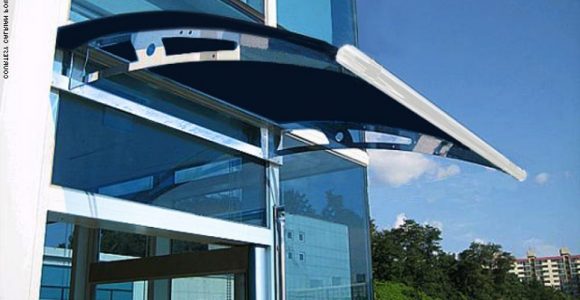
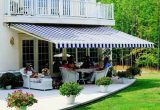
Awning definition, What is an awning? An awning is a cover made from canvas to sanctuary individuals or things from rain or sunlight, usually one will certainly use words awning about a roof-l...
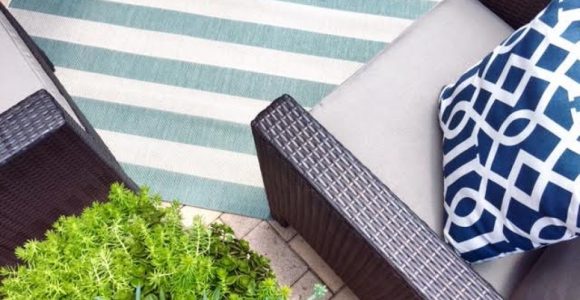


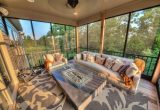
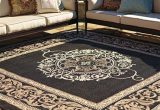
Frontgate outdoor rugs. These days embellishing does not have to be regarding custom-made, it could be regarding where to discover it currently and also exactly how to make it function for you. T...

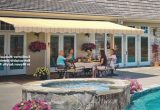
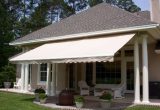


Retractable awning prices is influenced in various other means, too. On-line assemblers bill delivery costs, however this is more than balanced out by the reality they don't charge sales tax (bes...

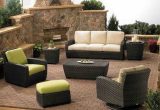
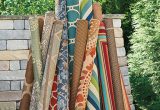
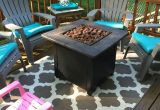
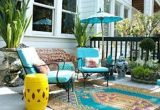
bed bath and beyond outdoor rugs (additionally called location rugs) not just include to the appearance of a space, yet likewise develop a setting including form, shade, and structure. Residence ...