Nuloom Outdoor Rugs
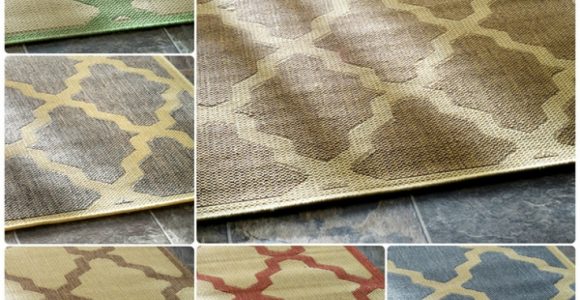


Nuloom Outdoor Rugs with pictures released for to offer the concepts to influence enhancing your home. This post of Nuloom Outdoor Rugs have of our collection pictures as well as gallery for embe...
Nuloom Outdoor Rugs with pictures released for to offer the concepts to influence enhancing your home. This post of Nuloom Outdoor Rugs have of our collection pictures as well as gallery for embe...
A south-facing home receives generous sunlight throughout the day, which can make an outdoor seating area bright, warm, and inviting. It can also turn a patio into an uncomfortable hotspot, particularly during summer afternoons. Choosing the right awning helps control heat, glare, and ultraviolet exposure while extending the time you can spend outside.
The best patio awning for a sunny elevation should balance shade performance with appearance, ventilation, weather resistance, and ease of operation. Size, projection, fabric colour, installation height, and the position of doors and windows all affect how well the covering performs.
A well-planned design can also support the wider look of your property. For ideas on coordinating furniture, planting, and architectural details, explore creative home ideas that bring indoor comfort and outdoor style together.
A south-facing patio is exposed to strong overhead sunshine around midday, while lower-angle light can arrive from the east in the morning and west in the evening. An awning that provides excellent midday shade may leave the patio exposed when the sun sits lower in the sky. Observe the area at different times before choosing a model.
Note where shadows fall, which rooms become overheated, and whether sunlight enters through nearby patio doors or windows. This information will help determine whether you need a standard retractable awning, a larger projection, side screens, or an additional vertical blind.
Seasonal changes matter too. The sun sits higher in the sky during summer and lower during winter, so a fixed canopy can block unwanted heat in warmer months while reducing useful winter sunlight. Retractable systems offer greater flexibility when you want shade in July but natural brightness in cooler weather.
Retractable folding-arm awnings are a popular choice for residential patios because they create shade without permanent posts or a fully enclosed structure. The arms fold neatly against the wall when the awning is not in use, preserving the open character of the garden. They are especially suitable where a clear view across the lawn or paving is important.
Cassette awnings provide additional protection for the rolled fabric and folding mechanism. A full cassette encloses both components, while a semi-cassette protects the fabric more fully than the arms. This can improve longevity and create a cleaner appearance on the outside wall, although cassette models generally cost more.
A pergola-style awning may be preferable for a large patio or an area exposed to changing weather. These systems use stronger guides, posts, or roof structures and can support heavier fabrics or louvred panels. They provide a more architectural presence, so their proportions should relate to the house, paving, fencing, and other garden features.
Measure the width of the area you want to shade, then calculate the projection needed to cover furniture and provide a comfortable circulation zone. A narrow awning may shade the wall but leave chairs and tables exposed. As a general design principle, the projection should extend beyond the main seating area without obstructing paths or nearby planting.
Allow extra width where possible, especially if the patio includes a dining table. A wider awning distributes shade more evenly and reduces harsh strips of sunlight at the edges. However, the available wall length, window positions, gutters, downpipes, and neighbouring boundaries may limit the dimensions.
Mounting height deserves equal attention. The awning should clear doors, lights, and heads while maintaining an effective pitch for water runoff where the model allows adjustment. Ask an installer to check the wall construction, because brickwork, render, and timber cladding may require different fixings and reinforcement.
Acrylic solution-dyed fabric is widely used for retractable awnings because it resists fading, handles outdoor moisture, and maintains a crisp appearance. Polyester can be a more economical option, though its durability and colour stability vary between manufacturers. Look for a fabric designed specifically for prolonged ultraviolet exposure rather than a general outdoor textile.
Colour affects both visual character and perceived temperature. Pale fabrics reflect more light and can make the patio feel bright, while mid-tone shades reduce glare and often conceal everyday marks more effectively. Stripes can add a traditional garden feel, whereas plain charcoal, taupe, cream, or muted green tends to suit contemporary homes.
The table below compares common choices for a south-facing patio:
| Awning choice | Main advantage | Points to consider | Best suited to |
|---|---|---|---|
| Pale acrylic fabric | Reflects light and feels airy | Can show dirt and glare at the edge | Bright, open patios |
| Mid-tone acrylic fabric | Balances shade and visual comfort | May absorb slightly more heat | Everyday family seating |
| Full cassette system | Protects fabric and mechanisms | Higher purchase price | Exposed walls and long-term use |
| Open retractable awning | Simple access and often lower cost | Components remain more exposed | Sheltered patios |
| Motorised operation | Convenient adjustment and precise control | Requires power and professional fitting | Large or frequently used awnings |
| Manual crank system | Reliable and economical | Requires physical effort | Smaller patios and occasional use |
A darker canopy does not automatically create a hotter seating area. Fabric density, weave, ventilation, projection, and air movement are also significant. Ask suppliers for information about ultraviolet protection, solar reflection, water resistance, and the fabric’s recommended cleaning method.
Motorised patio awnings make it easy to adjust shade during the day, which is valuable when the sun moves across a south-facing elevation. Wall switches, remote controls, and smart-home integration can provide convenient operation. Sun and wind sensors may extend or retract the awning automatically, helping protect it when weather conditions change.
Manual awnings remain practical for smaller installations and do not depend on electrical wiring. A detachable crank can also be useful where the awning is used occasionally. Whichever system you select, the mechanism should feel smooth and stable, with accessible controls that do not interfere with furniture or planting.
Most fabric awnings are designed to handle light moisture but should be retracted during heavy rain, strong wind, or storms unless the manufacturer states otherwise. A rain sensor is not a substitute for sensible use. Never force the arms, leave water pooled on the fabric, or roll the awning away while it is wet, since trapped moisture can encourage mildew.
A south-facing patio may be bright enough for daytime entertaining but still feel exposed to neighbours or nearby roads. Drop-down front screens and side curtains can reduce low-angle glare while adding privacy. They are particularly effective on patios where the sun reaches beneath the main canopy in the late afternoon.
External roller blinds can also reduce heat entering through glazed doors. Since they sit outside the glass, they intercept solar energy before it warms the interior. Choose a screen fabric that preserves some outward visibility if you want to maintain a connection with the garden.
Lighting should be planned around the awning rather than attached randomly to its moving parts. Wall lights, portable lanterns, and low-level garden lighting create a comfortable evening atmosphere without adding excessive heat. Keep electrical fittings weather-rated and position them so the awning can retract without obstruction.
The awning should appear proportionate to the building rather than looking like an afterthought. Match its frame to existing window frames, doors, railings, or exterior lighting where possible. A neutral powder-coated finish is versatile, while a contrasting frame can define the patio as a deliberate outdoor room.
Think about the relationship between the awning and other hard landscaping. Large-format paving often suits a simple, broad canopy, while a cottage-style garden may benefit from softer fabric colours and traditional stripes. Coordinate cushions, outdoor rugs, planters, and fencing so the shade structure feels integrated with the rest of the property.
Before installation, check local planning rules, lease conditions, and any restrictions affecting homes in conservation areas. Most domestic retractable awnings are straightforward, but larger structures, posts, or permanent roof systems may require additional approval. Confirm access for installation and ensure the fixing location does not damage insulation, drainage, or utility services.
A short planning review can prevent expensive mistakes and help you compare quotations on a like-for-like basis. Ask each supplier to specify the fabric, frame finish, cassette type, motor, warranty, installation method, and expected maintenance requirements.
A professional survey is worthwhile when the wall is rendered, insulated, unusually high, or affected by complex rooflines. It can also identify whether a single wide awning or two smaller units will provide better control. Two units may allow one seating zone to remain shaded while another receives sunlight, although they require careful alignment.
A well-chosen awning can transform a bright south-facing patio into a flexible extension of the home. It can protect outdoor furniture from intense sunlight, reduce glare through glazed doors, and make meals, reading, and entertaining more comfortable across the warmer part of the year.
Start by recording the patio dimensions and sun pattern, then compare awning styles, fabric samples, operating systems, and installation quotations. Select a design that offers dependable shade while matching the architecture and landscape, and arrange a professional survey before placing the order.
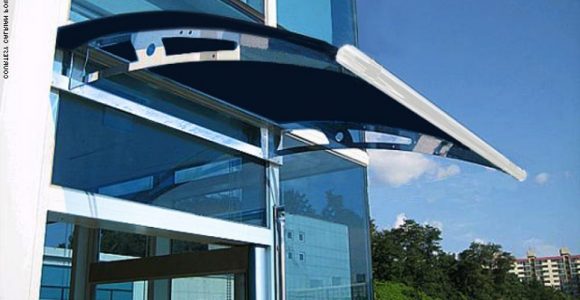
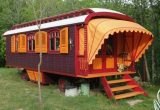
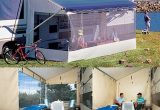
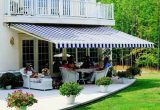
Awning definition, What is an awning? An awning is a cover made from canvas to sanctuary individuals or things from rain or sunlight, usually one will certainly use words awning about a roof-l...
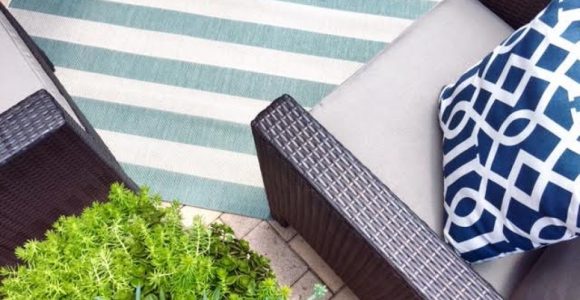


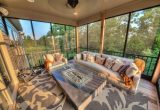
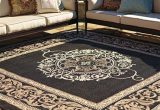
Frontgate outdoor rugs. These days embellishing does not have to be regarding custom-made, it could be regarding where to discover it currently and also exactly how to make it function for you. T...

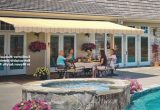
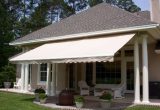


Retractable awning prices is influenced in various other means, too. On-line assemblers bill delivery costs, however this is more than balanced out by the reality they don't charge sales tax (bes...

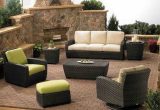
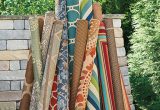
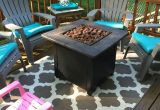
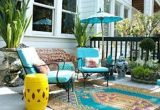
bed bath and beyond outdoor rugs (additionally called location rugs) not just include to the appearance of a space, yet likewise develop a setting including form, shade, and structure. Residence ...