Nuloom Outdoor Rugs
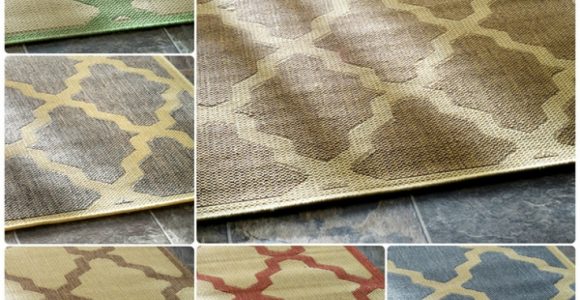



Nuloom Outdoor Rugs with pictures released for to offer the concepts to influence enhancing your home. This post of Nuloom Outdoor Rugs have of our collection pictures as well as gallery for embe...
Nuloom Outdoor Rugs with pictures released for to offer the concepts to influence enhancing your home. This post of Nuloom Outdoor Rugs have of our collection pictures as well as gallery for embe...
A gazebo can become the visual anchor of a garden, patio, or poolside terrace, but its roof determines far more than the structure’s appearance. Roofing affects shade, rain protection, ventilation, maintenance, longevity, and the amount of natural light beneath the shelter. Choosing the right material helps the gazebo feel like a deliberate extension of the home rather than an isolated garden feature.
Metal, polycarbonate, and shingles are three of the most practical roofing choices for residential gazebos. Each has a distinct character and performs differently in changing weather. Metal offers strength and a crisp architectural finish, polycarbonate creates a bright and lightweight canopy, while shingles provide a familiar, house-like appearance.
The best decision depends on the gazebo’s size, roof pitch, supporting frame, local climate, and intended use. A quiet reading area may benefit from filtered daylight, while an outdoor dining space may need deeper shade and better rain control. Exploring broader outdoor design ideas can also help coordinate the roof with paving, fencing, furniture, and surrounding planting.
Roofing should be considered during the earliest design stage because its weight and fixing requirements influence the entire structure. A small timber gazebo may support asphalt shingles with suitable rafters, while a lightweight aluminum frame may be better suited to polycarbonate panels or profiled metal sheets. The roof pitch also matters, particularly for directing rainwater away from seating and walkways.
A roof with generous overhangs offers extra protection from driving rain and summer sun. Gutters and downpipes can reduce muddy splashback around the posts, preserve nearby paving, and direct water toward a rain garden or drainage channel. For a freestanding gazebo close to the house, matching the roof color or material to existing exterior finishes can create a more unified garden composition.
Sound and temperature are equally important. Bare metal can amplify rainfall and become hot under direct sun, while clear plastic panels may create a greenhouse effect if airflow is restricted. Shingles generally provide a quieter, more insulated overhead surface, though they require a sufficiently strong frame and careful installation.
Metal roofing is valued for its strength, low maintenance, and clean visual profile. Steel and aluminum are common choices, with galvanized or coated steel offering excellent resistance to corrosion when properly finished. Aluminum is lighter and naturally resistant to rust, making it useful for coastal properties or smaller structures where reducing roof load is important.
Standing-seam panels create a refined contemporary appearance, while corrugated and ribbed sheets suit more relaxed, rural, or industrial designs. Metal is available in many colors, allowing a gazebo roof to echo window frames, garden fencing, outdoor kitchens, or a home’s fascia boards. Dark finishes provide a dramatic contrast against pale paving, whereas lighter colors can reduce solar heat absorption.
The primary drawback is noise during heavy rain. Insulation, solid roof decking, and acoustic underlay can soften the sound considerably. Condensation is another concern, especially beneath uninsulated panels, so the roof assembly should include ventilation and an appropriate moisture barrier. Sharp edges must be finished safely, and exposed fixings should be corrosion-resistant.
When installed correctly, a metal gazebo roof can last for decades with occasional cleaning and periodic checks of fasteners and sealants. It is particularly suitable for homeowners who want a strong, streamlined canopy that can withstand wind and changing weather without frequent repairs.
Polycarbonate roofing is a practical option when daylight is a priority. Clear, tinted, and opal panels allow varying levels of light into the gazebo, helping the space remain bright during the day. Multiwall sheets contain internal air channels that improve insulation and diffuse harsh sunlight, making them more comfortable than completely transparent panels in exposed locations.
This material is considerably lighter than many conventional roofing systems, which can simplify construction and reduce pressure on posts and foundations. It is also impact-resistant, so it can perform well in areas that experience hail, falling branches, or active family use. Panels can be cut to suit different roof shapes, although the supporting frame must be accurately spaced to prevent movement and sagging.
Heat control requires careful selection. Clear sheets provide the most open view but may raise temperatures beneath the canopy. Bronze, gray, or opal finishes filter sunlight more effectively, while UV-protective coatings help prevent yellowing and surface deterioration. Adjustable roof vents, open sides, and strategically placed screens can improve airflow during hot weather.
Rainfall on polycarbonate can still be audible, particularly with thin single-wall panels. Scratches are another consideration because abrasive cleaners and rough handling can damage the surface. Gentle washing with mild soap, soft cloths, and clean water is usually sufficient. Polycarbonate works especially well for breakfast patios, plant-filled seating areas, and compact gazebos where natural light matters more than a fully opaque roof.
Shingles create the most familiar residential appearance among these three roofing systems. Asphalt shingles are widely available, relatively affordable, and offered in colors and profiles that coordinate easily with a home’s roof. Architectural shingles add visual depth, while wood shingles or shakes provide a natural look suited to rustic gardens and timber-framed structures.
A shingle roof can make a gazebo feel like a permanent outdoor room. It offers effective shade, reduces the visual glare associated with transparent panels, and generally produces less rain noise than uncovered metal or polycarbonate. The layered construction also helps conceal roof decking and gives the structure a finished appearance when viewed from the house or upper windows.
Weight is the main design consideration. Shingles need a sturdy roof deck, reliable rafters, and suitable edge protection. The roof pitch must meet the manufacturer’s requirements so water can drain properly rather than collecting beneath the courses. In windy areas, correct nail placement and secure flashing are essential, particularly at ridges, valleys, and roof edges.
Asphalt shingles typically require more inspection than metal or polycarbonate. Moss, algae, lifted tabs, and damaged flashing should be dealt with promptly. Wood products need additional protection against moisture, insects, and fire, and they may be restricted by local building regulations. Shingles are a strong choice when the gazebo should blend with a traditional home, cottage garden, or landscaped terrace.
Material prices vary according to thickness, finish, roof complexity, structural requirements, and installation rates. A lightweight panel may appear inexpensive until framing, edge profiles, sealants, and drainage components are included. Similarly, shingles may have a modest material cost but require stronger construction than a lightweight metal or polycarbonate canopy.
Climate should guide the decision as much as style. Metal handles snow and wind well when adequately fixed, polycarbonate provides useful daylight in cooler or shaded gardens, and shingles offer dependable shade in hot, bright locations. In coastal settings, corrosion-resistant fasteners and finishes deserve particular attention, regardless of the selected roof type.
| Roofing material | Visual character | Main advantages | Points to consider | Best suited to |
|---|---|---|---|---|
| Metal | Modern, crisp, architectural | Durable, low maintenance, strong wind performance | Rain noise, condensation, possible heat gain | Contemporary patios and exposed locations |
| Polycarbonate | Light, airy, translucent | Lightweight, bright, impact-resistant | Can overheat, may scratch, needs careful ventilation | Daylit seating areas and smaller gazebos |
| Asphalt shingles | Traditional, coordinated with homes | Quiet, shaded, familiar residential finish | Heavier, needs solid decking and periodic checks | Classic gardens and permanent outdoor rooms |
| Wood shingles or shakes | Natural, rustic, textured | Warm appearance and strong garden character | Requires treatment and greater maintenance | Timber gazebos and cottage-style landscapes |
Aesthetic continuity is often the deciding factor. A black metal roof may complement modern paving and geometric planting, while gray polycarbonate can soften a minimalist structure without blocking daylight. Shingles are usually the easiest option for matching an existing pitched roof and creating a cohesive relationship between the house and garden shelter.
The roof covering is only one part of a reliable gazebo roof. Underlayment, flashing, ridge caps, edge trims, ventilation, and drainage all contribute to performance. Water should be directed away from posts and seating, and the connection between roof and frame should be sealed without preventing normal movement caused by temperature changes.
Orientation can improve comfort before any material is installed. Positioning the gazebo to take advantage of prevailing breezes may reduce the need for mechanical cooling. A partially open side can frame a garden view, while a privacy screen on the windward side can make the area more usable. Retractable shades or curtains can supplement a translucent roof during periods of intense afternoon sun.
Maintenance is easiest when access and inspection are planned from the beginning. Remove leaves from valleys and gutters, check fasteners after severe weather, and inspect sealants for cracking or separation. Polycarbonate panels should be cleaned gently, metal surfaces should be checked for scratches or rust, and shingle roofs should be kept clear of moss and overhanging branches.
Building regulations may apply when the gazebo is large, close to a boundary, permanently anchored, or connected to utilities. Roof height, drainage, fire performance, and structural loading can all affect the approval process. Professional advice is worthwhile for complex roofs, regions with heavy snowfall, or locations exposed to strong coastal winds.
A practical decision starts by ranking the qualities that matter most for the intended use. Consider whether the gazebo will be used for dining, entertaining, gardening, storage, or quiet relaxation. Then compare the roof’s appearance with the home, paving, planting scheme, and other outdoor structures.
The best roof is rarely selected on appearance alone. A beautiful material that overheats the seating area, overwhelms the frame, or requires unsuitable maintenance will become frustrating over time. Review samples outdoors, observe how colors change in sunlight, and confirm that the selected system is compatible with the gazebo’s pitch and structural capacity.
Whether the final choice is sleek metal, softly tinted polycarbonate, or classic shingles, a well-designed roof can transform a simple garden shelter into a comfortable destination. Select the material, detailing, and drainage system together, then create a gazebo that supports everyday outdoor living through changing seasons.
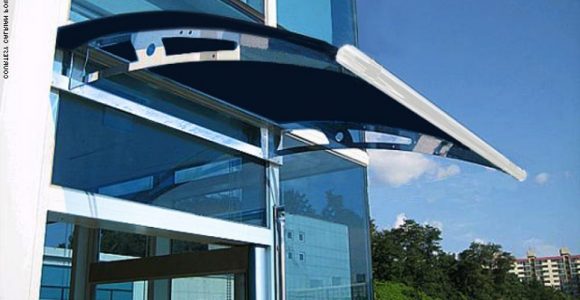
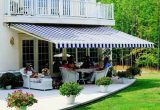
Awning definition, What is an awning? An awning is a cover made from canvas to sanctuary individuals or things from rain or sunlight, usually one will certainly use words awning about a roof-l...
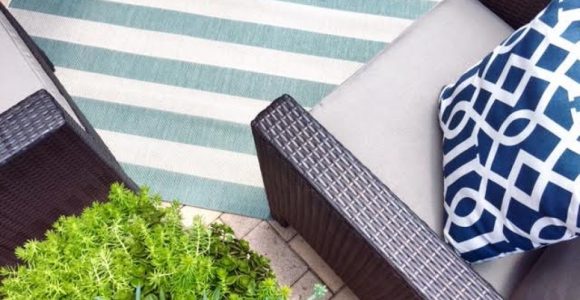


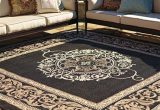
Frontgate outdoor rugs. These days embellishing does not have to be regarding custom-made, it could be regarding where to discover it currently and also exactly how to make it function for you. T...

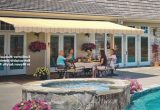
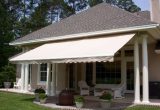


Retractable awning prices is influenced in various other means, too. On-line assemblers bill delivery costs, however this is more than balanced out by the reality they don't charge sales tax (bes...

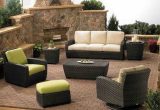
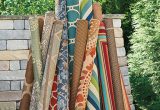
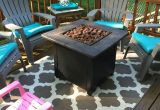
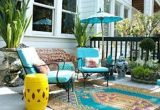
bed bath and beyond outdoor rugs (additionally called location rugs) not just include to the appearance of a space, yet likewise develop a setting including form, shade, and structure. Residence ...