Nuloom Outdoor Rugs
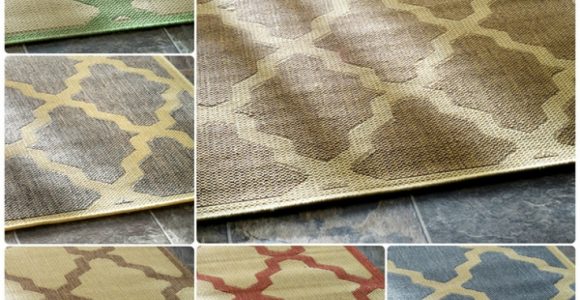



Nuloom Outdoor Rugs with pictures released for to offer the concepts to influence enhancing your home. This post of Nuloom Outdoor Rugs have of our collection pictures as well as gallery for embe...
Nuloom Outdoor Rugs with pictures released for to offer the concepts to influence enhancing your home. This post of Nuloom Outdoor Rugs have of our collection pictures as well as gallery for embe...
A rustic patio feels inviting when its furniture looks relaxed, useful, and connected to the natural setting. Reclaimed wooden pallets can provide an inexpensive foundation for sofas, coffee tables, planters, dining benches, and outdoor shelving. Their rough boards and visible grain bring warmth that is difficult to achieve with factory-made plastic furniture.
The best results come from treating pallets as raw material rather than ready-to-use furniture. Each piece needs careful inspection, cleaning, sanding, and protection before it becomes part of an outdoor seating area. A thoughtful design also ensures that the finished furniture is comfortable, stable, and suited to the size of the patio.
Before collecting materials, consider how the space will be used. A compact balcony may need a narrow bench and foldaway table, while a larger paved patio can accommodate a sectional sofa, low table, and storage unit. Measuring first helps prevent bulky pieces from blocking doors, walkways, or views across the garden.
Look for pallets marked “HT,” which indicates that the wood was heat-treated rather than chemically fumigated. Avoid pallets with oil stains, strong odors, mold, excessive dampness, or unknown industrial use. Boards with deep cracks or broken blocks may be unsuitable for seating, even if they appear attractive.
Standard pallets are often around 120 by 80 centimeters, though sizes vary by region and supplier. Uniform pallets are easier to stack and align, especially when building a sofa base or modular outdoor table. Ask businesses, warehouses, or building suppliers whether unwanted pallets are available, but always request permission before taking them.
A rustic appearance does not require every board to be perfect. Small knots, nail marks, and variations in color create character. However, structural strength matters more than surface charm. Choose pallets with firm blocks, straight boards, and no signs of insect damage. Keep a few spare boards for repairs, bracing, or decorative cladding.
Begin by removing loose dirt with a stiff brush. A mild solution of warm water and detergent can clean the surface, but the wood must dry completely before sanding or finishing. Place pallets on supports in a well-ventilated area and allow several days for moisture to leave the boards, especially after washing.
Use coarse sandpaper or a power sander to remove splinters, followed by a finer grade for touch-sensitive areas. Pay particular attention to seat edges, armrests, tabletop surfaces, and corners. You do not need to erase every mark; the goal is a smooth, safe surface that retains the reclaimed character.
Check every nail and screw. Hammer down protruding nails or replace them with exterior-grade screws where necessary. If a board is unstable, remove it carefully and fit a replacement of similar thickness. Wearing gloves, eye protection, and a dust mask makes this preparation safer and more comfortable.
The simplest project is a low coffee table made by stacking two pallets and adding heavy-duty casters. Screw the layers together, attach locking wheels, and finish the top with a fitted glass panel, outdoor tile, or closely spaced boards. Casters make the table easier to move when cleaning or rearranging the patio.
For a sofa, stack one or two pallets horizontally as the base and secure them with brackets or screws. Add a reinforced backrest by fixing a pallet vertically or constructing a separate timber frame. A slightly angled back provides greater comfort, while armrests made from cut pallet sections give the piece a finished, substantial appearance.
Pallet furniture should be designed around cushions rather than the other way around. Measure the cushions first, then build the seat to support them without large gaps. Outdoor foam, removable covers, and quick-drying fillings are worthwhile investments because they help the furniture remain comfortable after light rain or evening dew.
A dining table requires extra stability and a higher working surface than a lounge table. Build a strong frame beneath the pallet top, attach sturdy legs, and check that the final height works with your chairs. For families, round off sharp corners or add timber edging to reduce the chance of bumps.
A protective finish helps limit moisture absorption, discoloration, and surface checking. Exterior wood oil preserves much of the grain and produces a natural appearance, while a water-based outdoor stain offers broader color choices. Paint gives the most dramatic transformation, although chipped areas may require regular touch-ups.
Test the chosen product on an unseen section first. Reclaimed wood can absorb finishes unevenly because different boards have different ages and densities. Warm brown, charcoal, muted sage, and faded blue work well with a rustic palette, particularly when paired with cream cushions, woven accessories, terracotta pots, or natural stone paving.
| Finish | Visual Effect | Maintenance | Suitable Use |
|---|---|---|---|
| Exterior wood oil | Enhances natural grain | Reapply periodically | Tables, benches, shelving |
| Outdoor stain | Adds transparent or semi-transparent color | Refresh when faded | Sofas, dining sets, planters |
| Exterior paint | Creates a bold, even finish | Inspect for peeling | Accent chairs, colorful tables |
| Clear protective coat | Keeps the original tone visible | Recoat as needed | Sheltered furniture |
| Limewash-style finish | Soft, aged rustic appearance | More frequent touch-ups | Decorative panels and side tables |
Use products specifically rated for exterior timber, and follow the manufacturer’s drying and recoat instructions. Applying finish to every face, including exposed undersides and cut edges, gives the wood more consistent protection. Furniture placed under an awning will usually last longer, but shelter does not eliminate the need for sealing.
Arrange pallet seating to encourage conversation without making the patio feel crowded. A sofa facing two low chairs creates a flexible social zone, while a bench along a wall leaves the center open for movement. Keep access to doors and gates clear, and allow enough room to pull chairs out from a dining table.
Soft furnishings can make simple timber furniture feel intentional. Choose seat cushions with washable covers, scatter pillows in weather-resistant fabrics, and a low-pile outdoor rug to define the seating area. A rug also softens the visual contrast between rough wood and hard paving, making the patio feel more like an outdoor room.
For broader ideas about coordinating furniture, planting, and decorative details, explore French Creative ideas while shaping the overall character of the space. A consistent color scheme helps individual reclaimed pieces look like part of one collection, even when they were built at different times.
Lighting is another important layer. Solar lanterns, festoon lights, and wall-mounted fixtures can highlight the grain of the wood after sunset. Position lights so that steps, furniture edges, and pathways remain visible without creating glare across the seating area.
Pallets can become useful storage when fitted with shelves, hooks, or hinged tops. A narrow vertical unit can hold watering cans and gardening tools, while a lidded bench can store cushions overnight. Use a waterproof liner or storage box inside any unit that will hold textiles or small accessories.
Built-in planters are an easy way to connect furniture with the surrounding garden. Add a lined box to the end of a sofa or create a freestanding planter from offcuts. Herbs, ornamental grasses, and trailing plants bring movement and soften the strong horizontal lines of stacked pallets.
Keep decorative additions practical. Metal handles, rope details, black brackets, and galvanized fasteners complement the reclaimed style while improving usability. Avoid overcrowding the furniture with ornaments, since outdoor pieces need room for cleaning, drying, and everyday use.
Inspect the furniture at the start of each season. Look for loosened screws, split boards, rust marks, and areas where water has collected. Tighten hardware promptly and replace damaged timber before a small repair becomes a safety problem.
Keep cushions dry whenever possible, and clean spills quickly to prevent mildew or staining. Sweep dirt from the pallet gaps, especially beneath tables and benches where leaves can trap moisture. If furniture is placed directly on paving, use rubber feet or small risers to improve airflow underneath.
Sunlight, rain, and changing temperatures will gradually alter the finish, which is part of the appeal of rustic patio furniture. When the surface begins to look dry or uneven, clean it gently, allow it to dry, and apply a fresh maintenance coat. This preserves the wood while allowing the character of the reclaimed boards to develop.
Start with one manageable piece, such as a wheeled coffee table or compact bench, and use it to establish the materials and colors for the rest of the patio. With sound construction, comfortable cushions, and regular care, pallet furniture can turn an ordinary outdoor area into a warm, personal retreat that is ready for relaxed gatherings.


Awning definition, What is an awning? An awning is a cover made from canvas to sanctuary individuals or things from rain or sunlight, usually one will certainly use words awning about a roof-l...



Frontgate outdoor rugs. These days embellishing does not have to be regarding custom-made, it could be regarding where to discover it currently and also exactly how to make it function for you. T...




Retractable awning prices is influenced in various other means, too. On-line assemblers bill delivery costs, however this is more than balanced out by the reality they don't charge sales tax (bes...


bed bath and beyond outdoor rugs (additionally called location rugs) not just include to the appearance of a space, yet likewise develop a setting including form, shade, and structure. Residence ...