Nuloom Outdoor Rugs
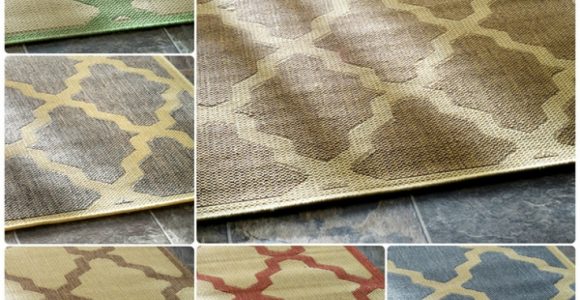



Nuloom Outdoor Rugs with pictures released for to offer the concepts to influence enhancing your home. This post of Nuloom Outdoor Rugs have of our collection pictures as well as gallery for embe...
Nuloom Outdoor Rugs with pictures released for to offer the concepts to influence enhancing your home. This post of Nuloom Outdoor Rugs have of our collection pictures as well as gallery for embe...
A courtyard garden can turn a neglected outdoor pocket into an inviting extension of the home. Because these spaces are often enclosed by walls, fences, or neighbouring buildings, every surface has a strong visual presence. Paving establishes the foundation, while planting adds softness, seasonal colour, privacy, and movement.
The most successful schemes balance hard landscaping with greenery rather than treating either element as an afterthought. A carefully chosen paving pattern can make a narrow courtyard feel wider, while layered planting can bring depth to a compact space. Seating, lighting, drainage, and access should be considered at the same time as materials and plants.
The character of the surrounding property should guide the design. Traditional brick homes may suit reclaimed-look pavers and clipped shrubs, whereas a contemporary building can support large-format porcelain, architectural grasses, and simple raised beds. The aim is to create a practical garden that feels connected to the rooms around it.
Begin by measuring the courtyard and noting how sunlight moves across it during the day. A bright south-facing area can support herbs, flowering perennials, and many container plants, while a shaded north-facing courtyard may need woodland species, ferns, ivy, or shade-tolerant evergreen shrubs. Also record existing drains, doors, steps, utility covers, and changes in level.
The proportions of the space influence the layout more than its total size. In a long courtyard, paving lines laid across the width can reduce the tunnel effect. In a small square courtyard, a central paved area surrounded by planting may create a calmer, more generous impression. Avoid filling every edge with unrelated features, since visual clutter makes a compact garden feel smaller.
Consider how people will use the area. A courtyard intended for outdoor dining needs a level surface and enough clearance around chairs, while a quiet retreat may benefit from a built-in bench, a raised planter, or a small water feature. Keep the main route from the house to the garden clear, especially where French doors or kitchen entrances open directly onto the patio.
Paving is the visual floor of the courtyard, so its colour, scale, and joint pattern deserve careful attention. Large-format slabs create fewer lines and can make a limited area appear more open. Smaller brick pavers or cobbles offer texture and work well around traditional homes, although numerous joints may require more maintenance.
Porcelain paving is durable, low-porosity, and available in finishes that resemble stone, timber, or concrete. Natural stone brings variation and a tactile quality, but samples should be viewed outdoors because colour can change in direct sunlight and after rain. Concrete slabs are often cost-effective and versatile, while permeable block paving can help manage surface water where local drainage is a concern.
A good paving design usually has one dominant material and perhaps one restrained border or accent. Mixing several colours and patterns can make a courtyard look fragmented. Use a contrasting edge to define a seating zone or planting bed, but keep the tones related to the brickwork, render, fencing, and exterior joinery.
Drainage is essential. Paving should fall gently away from the building, with suitable channels or drainage points where water may collect. The paving build-up must also be appropriate for the ground beneath it, particularly in areas exposed to frost or heavy foot traffic. Professional installation is worthwhile when levels are complex or the surface sits close to damp-sensitive walls.
Planting softens the geometry of paving and helps the courtyard feel established. Use a combination of heights rather than placing identical shrubs around the perimeter. A small tree, tall ornamental grass, or climber can draw the eye upward, while medium-height shrubs provide structure and low perennials fill the gaps at ground level.
Evergreen plants are valuable in enclosed gardens because they provide year-round form and screening. Ferns, fatsia, sarcococca, hebe, clipped yew, and compact bamboo varieties can work in suitable conditions, though invasive spreading bamboo should be avoided. For seasonal interest, combine these with salvias, geraniums, foxgloves, lavender, verbena, or bulbs suited to the available light.
Vertical planting is especially effective where floor space is limited. Trellis panels, wires, or freestanding screens can support climbers such as jasmine, clematis, climbing hydrangea, or espaliered fruit. A green wall can create a striking feature, but it needs dependable irrigation and a planting system designed to prevent damage to the wall behind it.
Containers make the planting scheme flexible and are useful where the courtyard is fully paved. Choose pots in a consistent material or colour so they feel intentional rather than scattered. Large containers are generally easier to maintain because they hold moisture and protect roots from temperature changes. Grouping plants in threes or using varied heights creates a stronger composition than placing every pot at equal intervals.
| Courtyard Element | Suitable Choices | Main Benefit | Practical Note |
|---|---|---|---|
| Main surface | Porcelain, natural stone, concrete slabs | Establishes the garden’s character | Check slip resistance and drainage |
| Narrow border | Brick, cobbles, contrasting stone | Defines edges and planting zones | Keep colour close to the main paving |
| Screening | Trellis, climbers, evergreen shrubs | Improves privacy and enclosure | Allow room for growth and maintenance |
| Shade planting | Ferns, ivy, fatsia, heuchera | Adds greenery in low light | Improve soil drainage before planting |
| Sunny planting | Lavender, grasses, salvias, herbs | Provides scent, colour, and pollinator value | Water regularly while plants establish |
| Seating area | Bench, bistro set, built-in seat | Makes the courtyard usable | Leave comfortable circulation space |
| Soft lighting | Wall lights, uplighters, low bollards | Extends evening use | Avoid glare into windows and neighbours’ homes |
The relationship between hard and soft landscaping becomes more convincing when the same shapes and colours recur throughout the courtyard. Rectangular paving may be echoed by geometric raised beds, while rounded stepping stones can be paired with loose, informal planting. Repeating one plant colour in several locations helps unite separate borders and containers.
Use planting to interrupt large expanses of paving rather than placing it only at the outer edge. A narrow bed beside a wall, a central tree pit, or a planted strip between seating and circulation can make the layout feel more integrated. Ensure these beds are wide enough to support healthy plants; extremely narrow borders often dry out quickly and limit root growth.
The boundary treatment should support the garden instead of competing with it. Painted timber fencing can provide a clean background for foliage, while brick walls may be left exposed to reinforce the property’s character. Where privacy is needed, consider combining a solid lower boundary with trellis above it, allowing light and air to pass through while creating a sense of enclosure.
For a cohesive palette, select paving and planting together. Warm sandstone tones complement soft yellows, terracotta pots, and Mediterranean herbs. Grey paving works with silver foliage, blue flowers, dark green shrubs, and black or galvanised metalwork. If you are collecting ideas for furniture, finishes, and outdoor styling, design inspiration can help broaden the visual direction before the final materials are chosen.
A courtyard garden should be designed for daily life, not just for viewing from indoors. Position seating where it receives useful sunlight but remains protected from prevailing wind. A bench against a warm wall can become a comfortable spring and autumn spot, while a lightweight bistro table allows the layout to adapt when entertaining.
Shade is important in summer, particularly where paving reflects heat into surrounding rooms. A retractable awning, pergola, shade sail, or carefully positioned tree can provide relief without permanently darkening the courtyard. Choose structures that suit the scale of the space; an oversized roof can make a small garden feel enclosed and reduce air circulation.
Lighting adds depth after sunset. Wall-mounted fittings can illuminate doorways, low-level lights can mark changes in level, and discreet uplighters can highlight a tree or textured wall. Warm white light is generally more comfortable than harsh blue-toned illumination. Keep fittings shielded and directed downward where possible to limit glare and protect nocturnal wildlife.
Furniture should be proportionate and weather-resistant. Foldable chairs suit flexible spaces, while built-in seating saves room and can incorporate storage beneath the bench. Outdoor rugs, cushions, and occasional tables introduce domestic comfort, but fabrics should be stored or protected during wet weather to extend their life.
A beautiful courtyard does not need to demand constant work. Select plants that match the conditions rather than forcing moisture-loving species into a dry, sunny bed or sun-loving plants into deep shade. Mulching around borders helps retain moisture, suppress weeds, and give the planting a finished appearance.
Leave enough access for pruning, cleaning, and repairs. A narrow gap behind a raised bed may become impossible to reach, and delicate plants positioned beside a dining route may be repeatedly damaged. Keep fallen leaves from accumulating on porous paving, as organic matter can encourage staining and algae growth.
Maintenance also depends on the quality of construction. Stable paving, well-prepared planting beds, protected drainage channels, and secure boundary structures reduce future disruption. Specify materials that are easy to clean and replace, especially if the courtyard is heavily used by children, pets, or guests.
Sustainability can be built into the design through permeable surfaces, rainwater collection, peat-free compost, and pollinator-friendly plants. A small tree or dense planting can moderate heat, support insects, and improve the outlook from nearby windows. Even a compact courtyard can contribute to a healthier local environment when its surfaces and planting are selected thoughtfully.
Before ordering materials or hiring installers, refine the design into a simple plan showing paving lines, planting beds, access routes, furniture, lighting, and drainage. This helps prevent expensive changes once construction begins and makes it easier to calculate quantities accurately.
Prioritise the elements that will be difficult to alter later, such as levels, paving foundations, drainage, boundaries, and built-in seating. Plants and accessories can be changed over time, but a poorly positioned drain or awkward step will affect the garden every day. A restrained initial palette also leaves room for the planting to mature without making the space feel overloaded.
A well-designed courtyard becomes a natural transition between interior rooms and the wider garden. With durable paving underfoot, layered planting around the edges, and comfortable details for living outdoors, even a modest space can feel private, spacious, and inviting. Start with the site conditions, establish a clear layout, and let each material and plant contribute to a unified residential retreat.

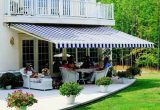
Awning definition, What is an awning? An awning is a cover made from canvas to sanctuary individuals or things from rain or sunlight, usually one will certainly use words awning about a roof-l...
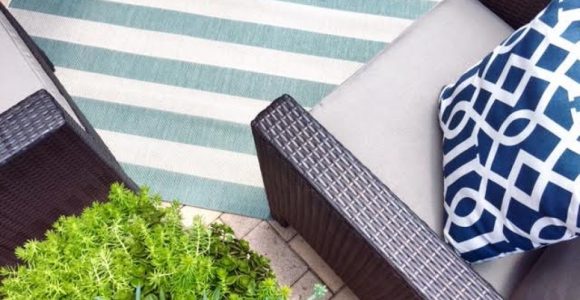



Frontgate outdoor rugs. These days embellishing does not have to be regarding custom-made, it could be regarding where to discover it currently and also exactly how to make it function for you. T...

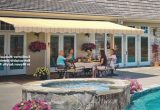


Retractable awning prices is influenced in various other means, too. On-line assemblers bill delivery costs, however this is more than balanced out by the reality they don't charge sales tax (bes...



bed bath and beyond outdoor rugs (additionally called location rugs) not just include to the appearance of a space, yet likewise develop a setting including form, shade, and structure. Residence ...