Creative Uses For Concrete Pavers Around A Fire Pit
A fire pit can turn an ordinary backyard into a comfortable gathering place, and concrete pavers provide a practical foundation for the whole setting. They define the seating area, protect the lawn from foot traffic and stray embers, and create a finished surface that feels deliberately designed rather than temporarily assembled.
For Australian homes, the right paving idea needs to handle strong sunlight, sudden rain, dusty conditions and the everyday wear of outdoor entertaining. Whether the space is a compact Melbourne courtyard, a Brisbane garden or a broad Perth backyard, thoughtful layout and suitable materials can make the fire pit safer, more attractive and easier to use.
Designing A Safe, Grounded Setting
The simplest approach is a circular paved pad with the fire bowl positioned in the centre. A generous ring of concrete pavers around it gives guests room to move chairs without stepping onto mulch or damp grass. Choose a diameter that allows furniture, circulation and a clear buffer from fences, walls, garden beds and overhanging branches. A small fire pit still needs breathing space.
A square or rectangular paved zone can suit contemporary homes particularly well. Lay the pavers in a grid, then place a round steel or masonry fire pit over the centre to create a contrast between geometric paving and curved firelight. This arrangement works neatly beside a patio or alfresco area, where the paved extension can connect two outdoor living zones.
Before construction, check your local council requirements and current fire regulations. Restrictions can vary between councils and states, with total fire bans affecting when solid-fuel fires may be used. In bushfire-prone areas, dry leaf litter, timber screening and nearby eucalyptus branches deserve particular attention. The paving is one part of a safe setting, not a substitute for responsible fire management.
Layouts That Extend Outdoor Living
Concrete pavers can create more than a base beneath the flames. Use them to form a pathway from the back door to the fire pit, particularly where the route crosses lawn or loose gravel. A stepping-stone path made from matching slabs can feel informal, while a continuous paved strip gives a sharper architectural look. Keep the walking surface level and avoid narrow gaps that catch chair legs or high heels.
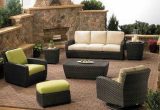
A larger paved area can be divided into distinct zones. Place the fire pit in one section, a low outdoor sofa in another and a drinks table near the edge of the space. Different laying patterns help define each use without adding walls. A radial pattern around the fire pit creates a visual focal point, while linear pavers leading towards the house make the yard appear longer.
For a relaxed Australian backyard, combine large-format pavers with gravel, native planting or hardy ornamental grasses. In a coastal property near Adelaide or the Gold Coast, pale sand, warm grey or soft beige tones can reflect the surrounding landscape. In a leafy Sydney suburb, charcoal pavers can provide a crisp border against greenery, although darker surfaces may become hot under the summer sun.
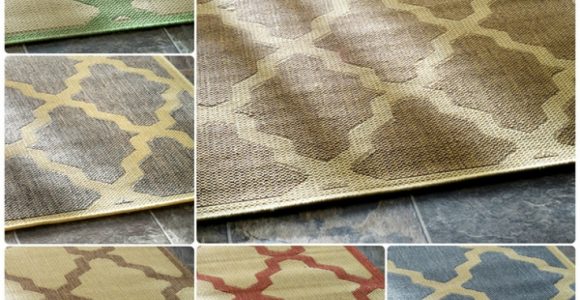
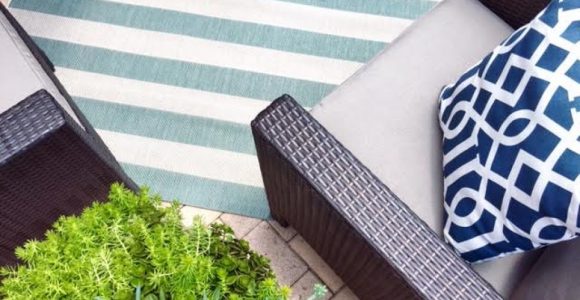
An outdoor rug placed on a separate, non-combustible section of the patio can soften the seating area, but it should remain well away from sparks and direct heat. Weather-resistant cushions, powder-coated furniture and movable stools make the zone flexible for a winter gathering, a quiet morning coffee or a weekend barbie.
Choosing Pavers For Australian Conditions
Concrete pavers are available in many sizes, finishes and colours, from smooth architectural slabs to textured products that resemble natural stone. For a fire pit area, select a surface with enough grip for wet weather and regular foot traffic. Very polished finishes can become slippery after rain, while deeply textured surfaces may be uncomfortable beneath dining chairs.
Sun exposure is a major consideration. Strong ultraviolet light can gradually fade certain pigments, especially in cheaper coloured products. Neutral greys, earthy taupes and blended stone tones tend to age gracefully because minor marks and dust are less obvious. Ask suppliers about colour consistency between batches, since future repairs may be difficult if a particular product is discontinued.
Drainage should be planned before the pavers are laid. A compacted road-base layer, suitable bedding sand and correctly formed falls help prevent pooling around the fire pit. Water that sits in joints can encourage staining, moss and movement. In areas that receive intense summer storms, such as northern Queensland or parts of New South Wales, a permeable paving system may be worth considering.
The installation method also affects durability. Poorly prepared ground can lead to sinking, rocking or cracked edges, particularly on reactive clay soils. A qualified landscaper can assess the subgrade, calculate the required excavation depth and install restraints around the paved area. This is especially valuable when the fire pit zone sits beside an existing retaining wall or on a sloping block.
Details That Make The Area Work
Built-in seating can be created with low rendered walls, masonry benches or broad paver-edged platforms. These features give the fire pit a permanent destination and reduce the need to store outdoor chairs. Add removable cushions in solution-dyed fabric, keeping them indoors when rain is forecast. A timber seat can look attractive, but it should be positioned well beyond the heat zone and protected from stray embers.
Lighting helps the space remain useful after sunset. Low-level path lights can highlight the paver edges without competing with the fire, while concealed strip lighting beneath a bench adds a gentle glow. Avoid placing bright lights directly behind people facing the flames, as glare reduces comfort. Solar fixtures may suit a low-maintenance garden, although wired lighting usually provides more reliable brightness.
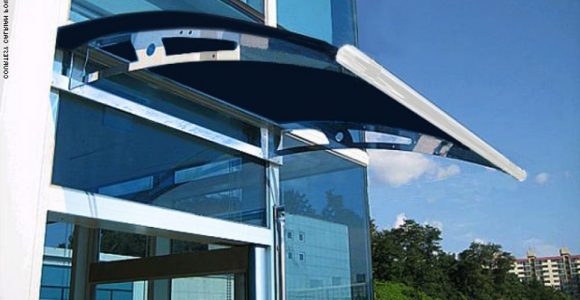
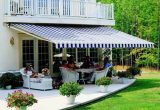
A simple shade structure can make the surrounding entertaining area more versatile during the day. An awning, pergola or retractable canopy should be planned with the fire pit’s heat and smoke in mind. Outdoor screens can also improve privacy, especially in closely built Melbourne, Sydney or Brisbane neighbourhoods. When researching weather-resistant films for nearby glazed areas, choose products intended for exterior conditions and keep combustible materials away from the fire.
Storage is another useful addition. A small steel box can hold fire tools, outdoor blankets and lanterns, while a covered niche keeps kindling dry. Avoid storing large quantities of timber directly beside the fire pit. A clear, organised area makes it easier to extinguish the fire properly and keeps the paved setting visually calm.
Practical Recommendations For A Lasting Fire Pit Zone
Begin with the way your household actually uses the backyard. If gatherings usually involve six to eight people, allow enough circulation for chairs and serving trays rather than sizing the paved pad around the fire bowl alone. Browse outdoor design ideas for inspiration, then adapt the proportions, materials and planting to your own block, climate and budget.
Use the following checks before ordering materials or beginning excavation:
- Confirm council rules, fire-ban restrictions and any requirements for fire pits in your area.
- Leave a generous clearance from fences, buildings, trees, garden structures and combustible furniture.
- Choose slip-resistant, UV-stable pavers with a colour and texture suited to the surrounding architecture.
- Plan a stable sub-base and positive drainage so the paved surface does not shift or collect water.
- Include practical movement space for chairs, children, pets and anyone carrying hot food or drinks.
- Keep a bucket of water, hose or suitable extinguisher close by, and extinguish coals completely after use.
The most successful fire pit spaces balance atmosphere with everyday practicality. A beautiful circular pattern has little value if the chairs wobble, smoke blows into the house or rainwater gathers underfoot. Test the proposed layout with cardboard shapes or temporary chalk lines before committing to the final paving design.
With the right pavers, careful clearances and a layout that connects naturally with the rest of the garden, a fire pit can become a genuine extension of the home. Start by measuring the available space, checking local regulations and marking out a comfortable seating circle, then speak with a reputable landscape supplier or installer about turning the concept into a durable Australian outdoor room.