Nuloom Outdoor Rugs
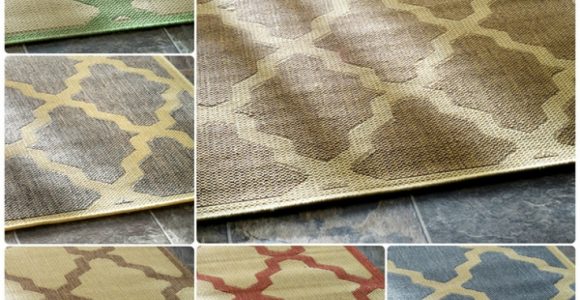



Nuloom Outdoor Rugs with pictures released for to offer the concepts to influence enhancing your home. This post of Nuloom Outdoor Rugs have of our collection pictures as well as gallery for embe...
Nuloom Outdoor Rugs with pictures released for to offer the concepts to influence enhancing your home. This post of Nuloom Outdoor Rugs have of our collection pictures as well as gallery for embe...
A sloping backyard can make an ordinary fence feel like a complicated construction project. Changes in ground level affect privacy, stability, drainage, access, and the visual relationship between the house and garden. Yet the same rise and fall can create attractive tiers, framed views, and a more distinctive outdoor room.
The most successful approach treats the fence as part of the landscape rather than a straight boundary placed on difficult ground. Materials, panel direction, post placement, and planting can work together to follow the terrain while keeping the property secure and comfortable.
A thoughtful design also protects the investment. Before choosing a style, examine how rainwater moves, where retaining walls may be needed, and whether the fence should screen the entire yard or only selected areas. For broader residential design inspiration, French Creative ideas can help connect fencing choices with patios, landscaping, and other home improvements.
A fence on level ground can usually be installed in a continuous line with uniform post heights. A sloped backyard requires more planning because the terrain may change gradually in one direction or drop sharply in several sections. A rigid layout can leave large gaps beneath panels, create awkward steps, or place excessive pressure on individual posts.
The first decision is whether the fence should follow the land or create a level visual line. Following the slope generally reduces excavation and preserves natural drainage. A stepped fence, meanwhile, uses panels installed in short horizontal sections, with each section lower than the previous one. This creates a crisp architectural effect and works especially well where the garden already has terraces.
Consider the boundary from both sides. A design that looks neat from the house may appear uneven from a neighboring property if the rear face is neglected. Matching rails, finished posts, and carefully placed planting can make the entire structure attractive while avoiding disputes over appearance and maintenance.
A raked or contour fence allows panels to angle gradually along a moderate slope. This arrangement keeps the gaps below the boards small and maintains a smooth, uninterrupted line. It is particularly suitable for wire mesh, metal panels, and certain timber systems designed with flexible rails.
Stepped fencing is better for sharper changes in elevation. Each panel remains level, while the posts vary in height to create a series of clean drops. The exposed space beneath each step should be handled carefully with gravel, low masonry, timber infill, or planted beds. Leaving open triangular gaps can allow pets to escape and may make the boundary look unfinished.
Split-level sections provide another option for yards with a dramatic grade. Instead of forcing one continuous fence line, the boundary can be divided into zones connected by short transitions. This approach can frame a patio, separate a play area from a garden, or create a private terrace near the rear of the house.
Timber remains a versatile choice because boards can be cut, spaced, and arranged to suit changing levels. Horizontal slatted fencing gives a contemporary appearance and can visually widen a narrow garden, while vertical boards emphasize height and provide stronger privacy. Pressure-treated wood is practical, but naturally durable species or high-quality composite boards may reduce long-term maintenance.
Metal fencing is useful where visibility and airflow matter. Powder-coated steel or aluminum panels can be installed in stepped sections and paired with masonry piers for a refined boundary. Decorative metalwork also keeps views open, which is valuable when a steep garden has attractive planting or a distant outlook that should not be blocked.
Composite fencing offers consistent color and resistance to rot, though its weight and installation requirements need to be considered on unstable ground. Masonry, stone, and rendered concrete are excellent for retaining edges or anchoring posts, but they can make the project more expensive and visually heavy if used across the entire boundary.
| Fence approach | Best suited to | Main advantage | Key consideration |
|---|---|---|---|
| Raked timber panels | Gentle, continuous slopes | Smooth line with minimal stepping | Requires accurately angled rails |
| Stepped privacy fence | Moderate to steep changes | Level panels and strong visual order | Gaps beneath steps need treatment |
| Metal railing | Open views and windy gardens | Durable, light-looking boundary | Offers less privacy without planting |
| Composite boards | Low-maintenance residential yards | Consistent finish and moisture resistance | Posts and footings must support added weight |
| Masonry or stone base | Terraced or erosion-prone areas | Strong support and soil retention | Higher cost and more substantial construction |
Water management should be addressed before fence posts are installed. A sloping property can direct runoff toward the boundary, washing away soil and weakening foundations. Observe the yard during heavy rain if possible, then identify channels, pooling areas, and places where the ground is already eroding.
A gravel drainage strip can help water move safely along the fence line. In wetter gardens, a perforated drainpipe wrapped in permeable fabric may be placed within a gravel trench, provided it leads to a suitable discharge point. The goal is to keep water from sitting around timber posts or saturating soil behind a retaining wall.
Fencing and retaining structures serve different purposes. A fence marks the boundary and provides privacy or security; a retaining wall holds back soil. Combining the two without proper structural planning can cause leaning, cracking, or collapse. Where the slope is substantial, use an experienced contractor or structural professional to assess foundations, wall height, and local requirements.
Privacy panels are often needed at the lower end of a sloped yard because neighboring properties may overlook the garden. Full-height fencing along every section can make the space feel enclosed, particularly when the backyard is narrow. A layered solution is usually more comfortable.
Use taller screening where sightlines are most exposed, then reduce the height along areas that already have natural cover. Evergreen shrubs, ornamental grasses, pleached trees, and climbing plants can soften the boundary and fill visual gaps. Planting should be selected according to sunlight, mature size, root behavior, and the amount of maintenance the household can manage.
A slatted fence can balance screening with daylight. Narrow gaps provide filtered views and ventilation, while staggered boards can block direct sightlines from a neighboring window. For a patio or dining terrace, a short privacy screen may be more effective than extending a tall perimeter fence around the entire garden.
Access points deserve special attention on sloping ground. A gate should open safely without dragging on the surface, and its latch should remain comfortable to use from both sides. Where the path changes height, provide a level landing near the gate rather than placing the entrance directly on a steep section.
Garden steps can run beside the fence or pass through it with a wider gate. Timber sleepers, stone risers, or poured concrete can connect different levels, but each should include suitable drainage and a stable walking surface. Lighting along steps and gates improves safety after dark and highlights the boundary as part of the garden design.
The fence can also help organize outdoor living zones. A raised deck may use a low railing at its edge, while a lower lawn can be enclosed with a taller screen. Near a patio, a decorative panel or planted trellis may define an intimate seating area without creating the visual weight of a solid wall.
Before committing to materials or colors, sketch the boundary at several points and mark approximate height changes. Photographs taken from the house, neighboring side, and lowest part of the yard can reveal how the fence will affect views. Samples of timber stain, composite boards, metal finishes, and paving should be assessed outdoors because sunlight changes their appearance.
A strong design balances appearance with access for future repairs. Leave enough room to paint, trim plants, clear leaves, and inspect drainage channels. If the fence sits close to a retaining wall, confirm that both structures can be maintained independently.
Color can unify an uneven boundary. Dark green, charcoal, and warm brown often recede into planting, while pale timber and light metal create a brighter, more open effect. Matching the fence with window frames, decking, paving, or garden furniture can make a series of different levels feel intentional.
Small details have a significant effect on the final result. Post caps protect exposed timber and create a finished silhouette, while consistent fasteners prevent a mixed collection of hardware from distracting from the design. At stepped sections, carefully aligned caps and rails make the changes in height look deliberate rather than improvised.
Planting is one of the easiest ways to connect the fence to the rest of the garden. Climbing roses, jasmine, and evergreen climbers can soften metal or timber, but they should be supported by independent trellises where their weight may damage panels. Low grasses and ground cover can disguise gravel drainage strips without blocking inspection access.
Think about how the boundary will look throughout the year. Deciduous planting may provide excellent summer screening but leave the garden exposed in winter. A combination of evergreen structure, seasonal foliage, and decorative grasses provides a more reliable backdrop while keeping the sloped backyard visually lively.
A difficult grade does not have to limit design ambition. With the right layout, a fence can stabilize the garden’s visual structure, improve privacy, support safe movement, and give every level a clear purpose. Plan the terrain first, select materials that suit its conditions, and let the boundary become a natural extension of the home’s outdoor living space. Start with a measured site sketch and a few material samples, then turn the slope into a defining feature rather than something to hide.
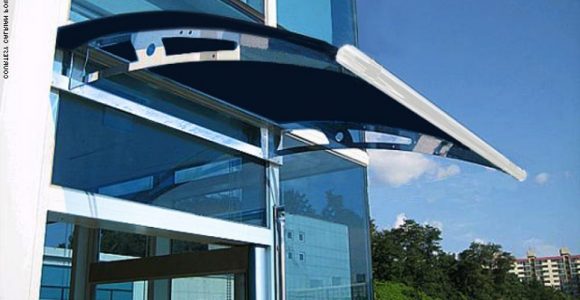
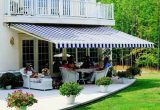
Awning definition, What is an awning? An awning is a cover made from canvas to sanctuary individuals or things from rain or sunlight, usually one will certainly use words awning about a roof-l...
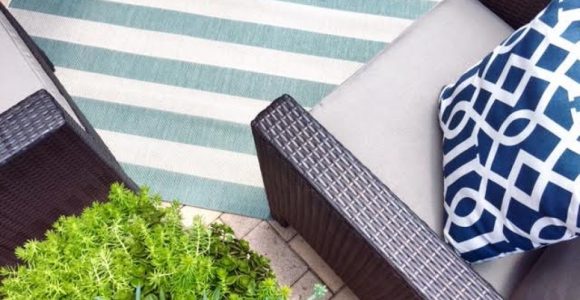



Frontgate outdoor rugs. These days embellishing does not have to be regarding custom-made, it could be regarding where to discover it currently and also exactly how to make it function for you. T...

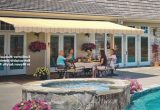
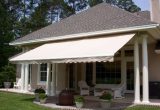


Retractable awning prices is influenced in various other means, too. On-line assemblers bill delivery costs, however this is more than balanced out by the reality they don't charge sales tax (bes...

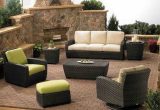

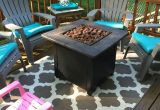
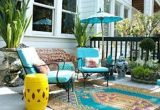
bed bath and beyond outdoor rugs (additionally called location rugs) not just include to the appearance of a space, yet likewise develop a setting including form, shade, and structure. Residence ...