Nuloom Outdoor Rugs
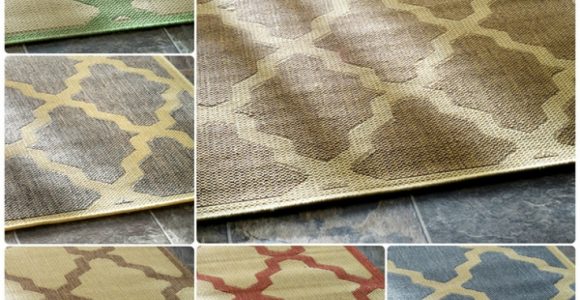



Nuloom Outdoor Rugs with pictures released for to offer the concepts to influence enhancing your home. This post of Nuloom Outdoor Rugs have of our collection pictures as well as gallery for embe...
Nuloom Outdoor Rugs with pictures released for to offer the concepts to influence enhancing your home. This post of Nuloom Outdoor Rugs have of our collection pictures as well as gallery for embe...
An outdoor bar can turn an underused patio into a practical gathering place for weekend lunches, sunset drinks and relaxed family meals. The best designs feel like a natural extension of the home, with a durable counter, comfortable stools, useful storage and enough room for people to move around without crowding the cooking zone.
Australian homes offer plenty of opportunities for this kind of improvement. A balcony in Sydney, a covered alfresco in Brisbane, a weatherboard verandah in Hobart or a broad backyard in Perth will each call for a different response to sun, wind, rain and available space. Good planning allows the bar to suit local conditions while still reflecting the character of the property.
The project does not need to become a full outdoor kitchen. A simple benchtop beside a barbecue may be enough, while a larger entertaining area could include a sink, drinks fridge, shelving and task lighting. Begin with how the space will be used, then choose finishes and furniture that support those activities.
The location should connect the bar with the house, patio and main entertaining areas. Placing the counter near the kitchen door makes it easier to carry food, ice and glassware, while a position beside the barbecue creates an efficient serving station. Leave a clear walkway behind the stools so guests do not block access between indoors and outdoors.
Sun and wind patterns are especially important in Australia. A west-facing bar can become uncomfortably hot during summer afternoons, particularly in Adelaide, Melbourne or western Sydney. Position the counter under an existing roof, pergola or awning where possible, and consider outdoor blinds or adjustable screens for low evening sun and prevailing breezes.
Think about views as well as privacy. A bar facing the garden can make landscaping part of the experience, while a screening wall may be useful for a suburban block close to neighbours. In coastal areas such as the Gold Coast or Wollongong, salt air calls for corrosion-resistant hardware and finishes that can tolerate regular exposure.
Counter height is central to comfort. A standing bar is commonly around 1000 to 1100 millimetres high, while stools with a seat height of approximately 650 to 750 millimetres usually suit that range. A lower counter can work better when the bar will double as a breakfast bench or casual dining surface.
Allow enough depth for plates, glasses and serving boards without making the structure unnecessarily bulky. Around 400 to 500 millimetres may suit a drinks ledge, while a working counter beside a barbecue may need greater depth for preparation. Include a small overhang so knees fit comfortably beneath the surface, and soften exposed corners in busy family areas.
A fixed masonry counter can provide excellent stability and thermal mass, while timber framing with a tiled or compact laminate top may be lighter and easier to modify. Modular outdoor cabinets are another practical choice for renters or homeowners who want flexibility. Check manufacturer guidance before installing appliances or electrical fittings in a partially exposed area.
The counter surface needs to cope with ultraviolet light, heat, moisture, food spills and frequent cleaning. Porcelain slabs, sintered stone, sealed natural stone and quality outdoor-rated laminate can all work when correctly installed. Stainless steel is highly practical around a barbecue, although it can show fingerprints and become hot in direct sun.
Timber brings warmth to a deck or garden setting, but it needs regular maintenance. Spotted gum, blackbutt and other suitable Australian hardwoods can complement native planting and weather well when sealed appropriately. Avoid using untreated indoor cabinetry outside, as swelling, mould and fading can quickly damage the structure.
For stools, powder-coated aluminium, teak, treated hardwood and quality synthetic wicker are reliable choices. In Darwin or far north Queensland, humidity and heavy rain make quick-drying materials particularly valuable. In bushfire-prone districts, discuss construction materials and clearances with the relevant council or state authority rather than assuming that a decorative timber feature is suitable.
A shade structure can improve the life of the whole installation. If a permanent roof is outside the budget, a retractable awning or sail shade may still reduce heat on the benchtop and protect upholstery. Outdoor rugs, washable cushions and weather-resistant curtains can add colour without relying on fragile indoor furnishings.
Stools should match the counter height rather than being selected by appearance alone. Test the distance between the seat and the underside of the benchtop, especially if the counter has a thick edge or apron. Footrests improve comfort during longer gatherings, and backs or low arms can make the seating more supportive for older guests.
Allow roughly 600 millimetres of counter width per person as a useful starting point. More room is preferable where guests will eat full meals, use laptops or share platters. Avoid placing stools directly beside a hot barbecue, gas bottle compartment or sharp corner. A small gap at each end makes it easier to sit down and reduces the chance of bumping elbows.
Choose stools that can be moved easily when the space needs to become a passage, play area or dance floor. Stackable aluminium models suit compact courtyards, while heavier timber or steel designs may feel more secure in exposed backyards. Add washable seat pads only if they can be stored away from rain and strong sunlight.
An outdoor bar can also support different styles of entertaining. For a casual Australian gathering, combine bar stools with a nearby outdoor dining table so guests can spread out. If the area is designed for evening drinks, warm lighting and a few low lounge chairs may create a more relaxed arrangement. Those interested in the culture of premium hospitality can also browse this black card guide for inspiration on creating a more polished hosting atmosphere.
Layered lighting makes the counter useful after dark without turning the patio into a brightly lit work zone. Wall lights can provide general illumination, under-counter strips can highlight the benchtop and a pendant may become a strong visual feature beneath a covered roof. Use warm-white globes for a welcoming appearance, with brighter task lighting near food preparation areas.
Electrical work should be completed by a licensed professional, particularly where power points, fridges or built-in appliances are exposed to weather. Plan cable routes before the counter is built, and make sure drainage, ventilation and access panels are included where required. A portable bar fridge may be simpler than a fully integrated unit, but it still needs appropriate placement and airflow.
Storage keeps the bar attractive between gatherings. Closed cupboards protect glassware from dust and insects, while open shelves make frequently used items easy to reach. Use latches on doors in windy areas and choose hardware that will resist corrosion. A narrow side shelf can hold herbs, citrus, sauces or decorative pots without taking over the main work surface.
Consider how the bar will be cleaned. Smooth, sealed surfaces are easier to wipe after a barbecue, while deep grout lines and rough untreated timber can collect grease and dirt. A nearby tap, hose point or utility sink can be useful, but plumbing should be planned before paving or cabinetry is installed.
The surrounding garden helps determine whether the bar feels integrated or added as an afterthought. Repeat materials from the patio, retaining wall or fence to create visual continuity. A timber counter may link naturally with a deck, while charcoal cabinetry can echo dark pavers, metal screening or window frames.
A paved base is often more stable than placing a freestanding bar directly on lawn. Porcelain pavers offer a contemporary finish and are available in surfaces designed for outdoor use, while concrete, brick and natural stone can suit more traditional homes. Ensure the ground falls away appropriately so water does not collect beneath cabinets or around stool legs.
Boundary treatments also affect privacy, wind and the overall sense of enclosure. If the bar is near a new fence, investigate appropriate installation methods before construction begins; this useful guide to concrete versus gravel backfill explains considerations that can influence fence stability and drainage. A well-built screen can shelter the seating area without making a small yard feel boxed in.
Plants can soften hard surfaces and provide shade, but choose species according to the climate and maintenance available. Native grasses, lilly pilly screening, citrus in pots or climbing plants on a pergola can all contribute colour and privacy. Keep roots, fallen leaves and irrigation spray away from sensitive cabinetry and electrical equipment.
A flexible bar area should work for everyday use as well as larger celebrations. Include a clear space for platters, a landing zone beside the barbecue and a place where guests can leave used glasses. If children will use the area, avoid easily tipped stools and keep hot surfaces, sharp tools and alcohol storage beyond their reach.
Weather protection determines how often the investment will be used. In Melbourne, a covered setting with radiant warmth may extend the entertaining season, while in Brisbane good airflow and shade may matter more than enclosing the area. Perth homeowners may prioritise UV protection, whereas Tasmanian properties may need stronger shelter from cold winds and rain.
Keep decoration restrained enough that the counter remains easy to clean. A few planters, a durable runner, serving boards and coordinated glassware can establish a finished look without filling every surface. Select colours that complement the home rather than chasing a short-lived trend, especially when the bar is built into permanent paving or cabinetry.
Before ordering materials, mark the proposed footprint with tape or temporary furniture. Sit on sample stools, check door clearances and walk through the route from the kitchen to the bar. This simple test can reveal whether the counter is too deep, the seating too tight or the position exposed to an uncomfortable afternoon glare.
Turn an overlooked patio, deck or garden corner into a welcoming outdoor destination with a counter that suits your home and stools that invite people to stay. Choose resilient materials, plan services carefully and connect the bar with shade, paving, planting and lighting. With those decisions in place, your Australian outdoor entertaining area can be useful every day and ready for memorable gatherings.
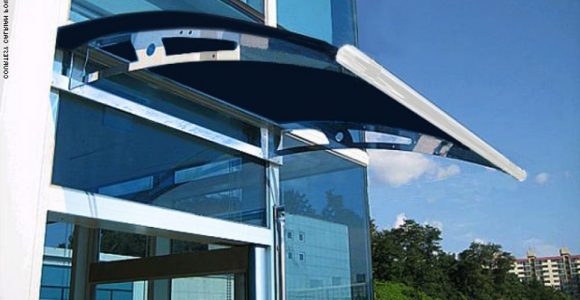
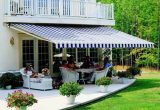
Awning definition, What is an awning? An awning is a cover made from canvas to sanctuary individuals or things from rain or sunlight, usually one will certainly use words awning about a roof-l...
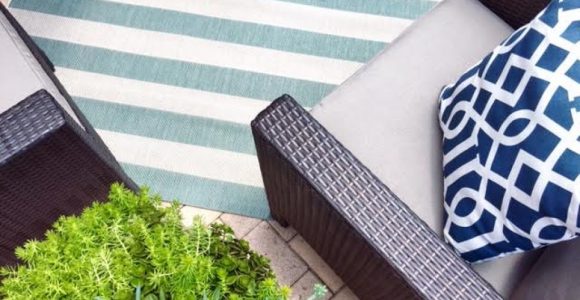


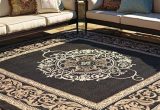
Frontgate outdoor rugs. These days embellishing does not have to be regarding custom-made, it could be regarding where to discover it currently and also exactly how to make it function for you. T...

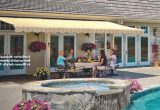
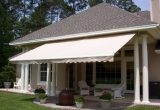


Retractable awning prices is influenced in various other means, too. On-line assemblers bill delivery costs, however this is more than balanced out by the reality they don't charge sales tax (bes...

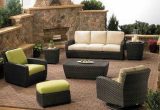
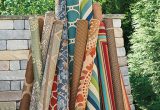
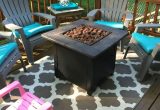
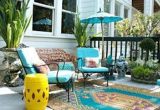
bed bath and beyond outdoor rugs (additionally called location rugs) not just include to the appearance of a space, yet likewise develop a setting including form, shade, and structure. Residence ...