Nuloom Outdoor Rugs
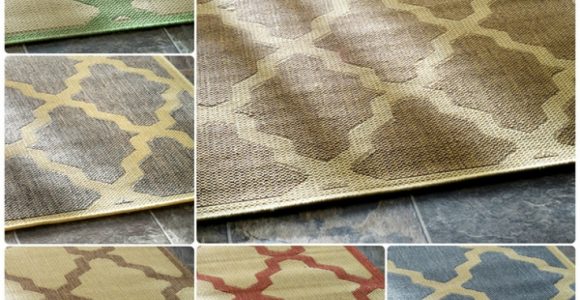



Nuloom Outdoor Rugs with pictures released for to offer the concepts to influence enhancing your home. This post of Nuloom Outdoor Rugs have of our collection pictures as well as gallery for embe...
Nuloom Outdoor Rugs with pictures released for to offer the concepts to influence enhancing your home. This post of Nuloom Outdoor Rugs have of our collection pictures as well as gallery for embe...
A mature tree can give a garden its strongest sense of place. Its broad canopy creates cool shelter, filters harsh sunlight, and adds height that smaller plants cannot provide. Yet the ground beneath it is often difficult to cultivate, with dense roots, dry soil, falling leaves, and limited light competing with every new planting.
The most successful shade garden works with those conditions rather than trying to recreate a sunny flower bed. The design should protect the tree, preserve comfortable access, and use plants and surfaces that remain attractive through changing seasons.
With the right layout, the space can become a restful garden room for reading, dining, or enjoying the view from indoors. A simple combination of ground cover, seating, mulch, containers, and carefully chosen shade plants can transform an overlooked patch into one of the most inviting parts of a property.
Begin by observing the area throughout the day. Shade beneath a deciduous tree may be bright in spring, deeply shaded in summer, and sunny again after autumn leaves fall. Evergreen trees create steadier shade, while dense canopies may also block rainfall and leave the soil unusually dry.
Check the soil before buying plants. Push a hand trowel gently into an open area, looking for compacted ground, exposed roots, or a shallow layer of topsoil. Do not cut through thick roots simply to create a planting pocket. Large structural roots help stabilize the tree, and disturbing them can cause long-term damage.
The tree’s trunk flare should remain visible, and soil should never be piled against the bark. If the ground is compacted, improve only the upper surface with a thin layer of organic matter and compost. Avoid creating a raised bed around the trunk, since extra soil can reduce oxygen reaching the roots and hold moisture against the bark.
A shade garden benefits from a clear framework before planting begins. A curved path can lead around the trunk, while a small paved terrace or gravel sitting area provides a practical destination. Keep hard surfaces far enough from major roots to avoid excavation, and choose permeable materials where possible so rain can reach the soil.
Seating should respond to the tree’s scale. A pair of chairs, a compact bench, or a small bistro set may feel more welcoming than a large outdoor suite. Place furniture where the canopy offers shade but leave enough room for people to walk around the trunk and maintain the garden.
If an existing patio borders the tree, inspect its condition before adding furniture or planters. Uneven or cracked paving can create trip hazards and may worsen when roots shift the surrounding soil. Before redesigning the area, review practical guidance on repair cracked concrete so the finished seating space has a sound, level foundation.
Plant selection depends on the type of shade and the amount of available moisture. Dry shade beneath a mature tree is especially demanding because roots take up water quickly and the canopy intercepts rainfall. Moist shade, often found near downspouts or naturally damp ground, allows a broader range of ferns, woodland perennials, and lush foliage plants.
Use repeated groups instead of scattering one plant at a time. Masses of similar foliage create visual calm and make the garden look intentional. Plants with silver, blue-green, lime, or variegated leaves can brighten deep shade, while darker foliage gives the space a cooler, more secluded atmosphere.
Suitable choices vary by climate, but many gardens can accommodate hostas, hellebores, heucheras, epimediums, Japanese forest grass, ferns, Solomon’s seal, lungwort, and hardy geraniums. In warmer regions, cast iron plant, liriope, fatsia, coral bells, and selected evergreen ground covers may perform well. Confirm local hardiness, mature size, and toxicity before planting.
| Garden condition | Plant qualities to seek | Useful design approach | Main care concern |
|---|---|---|---|
| Dry, deep shade | Tough foliage, drought tolerance, shallow roots | Use mulch and widely spaced groups | Water during establishment |
| Bright filtered shade | Flowering perennials and variegated leaves | Layer low plants beneath shrubs | Prevent overcrowding |
| Moist shade | Ferns, woodland plants, lush ground cover | Create a naturalistic planting bed | Avoid standing water |
| Seasonal shade | Spring bulbs and adaptable perennials | Combine plants with different bloom times | Expect changing sun levels |
| Root-filled soil | Container plants and low-impact ground cover | Leave root zones undisturbed | Do not dig deeply |
Mulch is one of the most valuable tools in a garden beneath a large tree. A two- to three-inch layer of shredded bark, leaf mold, or composted wood helps conserve moisture, moderate soil temperature, and reduce competition from weeds. Keep mulch several inches away from the trunk so air can circulate around the bark.
Refresh mulch gradually rather than allowing it to form a thick mound. Excessive mulch can suffocate surface roots, encourage pests, and keep the base of the tree permanently damp. Rake fallen leaves lightly and use them as natural mulch if they are healthy and not forming a dense, slippery mat.
Water new plants slowly and deeply during their first growing seasons. A soaker hose or drip line is more efficient than frequent light sprinkling, especially where the canopy prevents rainfall from reaching the soil. Mature shade plants may need less attention once established, but newly planted specimens should not be expected to compete immediately with an old tree.
Containers are useful where tree roots make digging impractical. Place pots on stable paving, compacted gravel, or discreet pot feet rather than directly on wet soil. Choose lightweight containers if they must be moved, and group several sizes together to create height without installing a permanent structure.
Shade-loving plants in containers can include ferns, begonias, caladiums, ivy, Japanese forest grass, and seasonal bulbs, depending on the climate. Use a high-quality potting mix with good drainage, since shaded containers can remain wet after rain. Containers also make it easy to introduce color without disturbing the tree’s root zone.
Garden features can reinforce the atmosphere without competing with the canopy. A weathered bench, a small water bowl for birds, low lanterns, or a sculptural stone can provide focal points. Keep decorations restrained, leaving visual space around the trunk and allowing the natural form of the tree to remain the central feature.
The best planting designs use several layers. Begin with a low ground-cover layer to soften the soil, add medium-height perennials for seasonal interest, and use shrubs or architectural plants at the outer edge where there is often more light. This arrangement gives the garden depth while keeping the center around the trunk open.
Repeat colors and textures across the bed so the composition feels connected. For example, silver foliage might appear beside the path and again near the seating area, while burgundy leaves can echo a nearby door or outdoor cushion. White flowers are particularly effective in dim areas because they catch evening light and stand out against green foliage.
Allow mature plants enough room to spread. Overplanting creates early fullness but leads to weak growth, poor air circulation, and difficult maintenance. In the first year, fill gaps with containers or seasonal accents instead of squeezing permanent plants too closely together.
A garden under a large tree should have something to offer beyond summer foliage. Spring bulbs can bloom before a deciduous canopy fully develops, followed by woodland perennials and flowering ground covers. In summer, foliage becomes the main attraction, while autumn brings leaf color, seed heads, and changing light through the branches.
Maintenance is usually straightforward when the design respects the site. Remove damaged stems, divide overcrowded perennials when necessary, and check containers for dry soil. Prune shrubs selectively to preserve natural form, and arrange professional tree care for dead, hazardous, or crossing branches rather than attempting major pruning from the ground.
Paths and seating should receive regular attention because shade can encourage moss, algae, and slippery surfaces. Sweep leaves from paved areas, keep drainage channels clear, and check that furniture remains stable. Low-voltage lighting along a path or beneath the canopy can improve safety, but fixtures should be positioned without injuring surface roots.
A mature tree offers an opportunity to design a garden around comfort instead of constant display. A shaded bench can become a quiet morning spot, while a small terrace beneath filtered light may suit outdoor meals during the warmest part of the day. Even a narrow planting border can make a view from a window feel greener and more finished.
Connect the garden to the rest of the property with repeated materials and colors. A gravel path might echo the texture of a driveway, while timber seating can relate to a fence or pergola elsewhere in the yard. Keep the transition between lawn, planting, and patio clear so the area feels designed rather than accidental.
Start with the tree’s health, then build outward with suitable plants, comfortable surfaces, and a manageable care routine. Clear the site, protect the roots, choose a few dependable shade plants, and add one inviting place to sit. With those elements in place, turn the cool ground beneath the canopy into a finished outdoor room that can be enjoyed throughout the year.
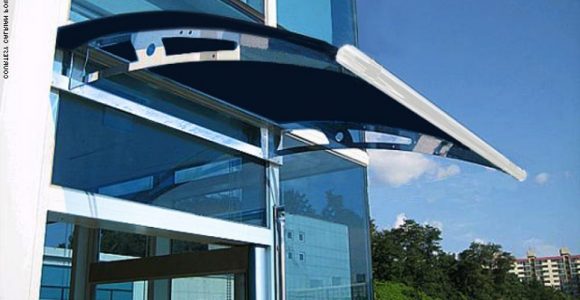
Awning definition, What is an awning? An awning is a cover made from canvas to sanctuary individuals or things from rain or sunlight, usually one will certainly use words awning about a roof-l...
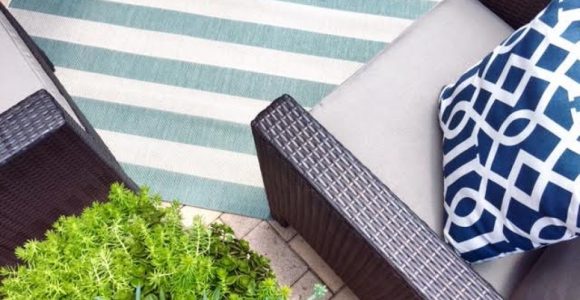



Frontgate outdoor rugs. These days embellishing does not have to be regarding custom-made, it could be regarding where to discover it currently and also exactly how to make it function for you. T...

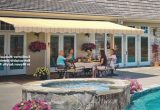
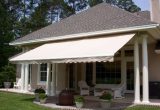


Retractable awning prices is influenced in various other means, too. On-line assemblers bill delivery costs, however this is more than balanced out by the reality they don't charge sales tax (bes...

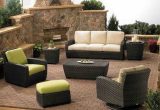

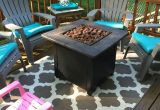
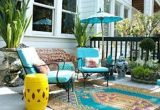
bed bath and beyond outdoor rugs (additionally called location rugs) not just include to the appearance of a space, yet likewise develop a setting including form, shade, and structure. Residence ...