Nuloom Outdoor Rugs
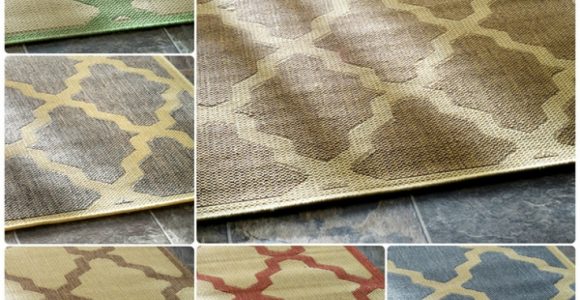



Nuloom Outdoor Rugs with pictures released for to offer the concepts to influence enhancing your home. This post of Nuloom Outdoor Rugs have of our collection pictures as well as gallery for embe...
Nuloom Outdoor Rugs with pictures released for to offer the concepts to influence enhancing your home. This post of Nuloom Outdoor Rugs have of our collection pictures as well as gallery for embe...
A fire pit can turn an ordinary patio into the most inviting part of a home. With fixed benches arranged around the warmth, the space becomes useful for relaxed dinners, weekend entertaining and quiet evenings under the stars. The right design balances atmosphere with safe clearances, weather-resistant materials and comfortable seating.
Australian homes are particularly suited to this type of outdoor room. Alfresco living is part of everyday life in Brisbane, Sydney, Perth and many regional areas, while cooler Melbourne evenings make a sheltered fire feature appealing for much of the year. A well-planned seating zone can extend the time you spend outside without requiring a large backyard.
Built-in benches also make efficient use of space. They define the patio, provide generous seating without scattered chairs and create opportunities for storage, planting or a raised garden edge. Before choosing finishes or cushions, consider the position of the fire, the direction of prevailing winds and the way people will move through the yard.
Place the fire pit where it can be enjoyed from the house while remaining well clear of walls, fences, trees, roof overhangs and low branches. Manufacturer instructions should determine the minimum clearance, as requirements vary between wood-burning bowls, gas burners and enclosed outdoor heaters. A central location usually creates the most balanced arrangement, but a corner installation can work better in a compact courtyard.
Think about smoke and wind before committing to the layout. A wood fire that sends smoke towards an open window or neighbouring property will quickly become a nuisance. In suburbs around Sydney and Melbourne, where blocks can be close together, a gas fire pit may provide a more practical experience. It gives a flame effect without the same amount of smoke, ash and flying embers.
The ground should be level, stable and capable of supporting the bench structure and paving. Avoid placing the fire pit directly beneath a pergola unless the appliance and structure are specifically designed for that arrangement. A covered patio can be comfortable during light rain, but it needs generous ventilation and carefully considered heat clearance.
A curved bench creates a sociable, informal feel around a round fire bowl, while straight benches suit rectangular patios and contemporary architecture. Leave enough room between the inner edge of the seat and the fire for safe circulation. Guests should be able to stand up and move away without stepping into another person’s foot space.
For comfortable dining and lounging, allow approximately 500 to 600 millimetres of seat width per person. A seat height of about 430 to 480 millimetres generally feels natural, with a depth of roughly 450 to 550 millimetres. Test these proportions with temporary boxes or outdoor chairs before building, especially if the bench will have a masonry backrest.
Useful features for built-in outdoor benches include:
The bench should complement the patio rather than make the fire area feel enclosed. A backrest can improve comfort and shelter, but an open arrangement allows heat and conversation to spread more naturally. In a narrow yard, a single L-shaped bench may provide plenty of seating while preserving a clear route from the house to the garden.
Wood-burning fire pits offer crackling logs, glowing coals and the scent associated with traditional outdoor gatherings. They need a safe place for ash disposal, dry fuel storage and regular cleaning. A spark screen is valuable, particularly in windy locations, but it should not replace supervision or the clearances specified by the manufacturer.
Gas fire tables are cleaner and easier to operate, making them popular in established metropolitan gardens. They can combine a flame with a broad tabletop for drinks and small plates, although the surface may become hot. Look for models designed for Australian conditions, with robust controls, weather-resistant burners and an approved gas installation where required.
Portable brazier-style pits are flexible but can look disconnected from a permanent patio. A built-in fire bowl or fire table usually gives the seating area a more cohesive appearance. Whatever the style, keep combustible cushions, timber screens and decorative accessories away from the flame zone.
The bench frame should be built for moisture, heat and seasonal movement. Concrete blockwork with a rendered finish is highly durable, while brick can complement traditional Australian homes. Concrete can be left architectural, polished, tiled or clad in stone veneer, depending on the surrounding paving and exterior walls.
Timber seating adds warmth and softens masonry, but it needs a suitable outdoor coating and periodic maintenance. Australian hardwoods such as spotted gum and ironbark are commonly selected for exterior projects because of their strength and attractive grain. Composite boards can reduce upkeep, although their heat retention and manufacturer’s distance recommendations should be checked near a fire feature.
A practical materials checklist includes:
Porcelain pavers, concrete, bluestone and sandstone can all work well outdoors when installed on a suitable base. Pale surfaces reflect heat and help a small courtyard feel brighter, while darker finishes create a dramatic evening setting. In coastal areas such as Perth, Adelaide and parts of Queensland, salt air and strong sun make corrosion resistance and UV stability especially important.
Hard built-in seating becomes inviting when it includes proper cushions. Choose quick-drying foam, solution-dyed acrylic or other outdoor fabrics designed for intense sunlight. A cushion box beneath the seat is convenient, but it must be ventilated so trapped moisture does not cause mould or stale odours.
Layer comfort through texture and height. A long seat pad establishes a consistent look, while individual lumbar cushions allow people to adjust their position. Keep a few washable throws nearby for cooler nights, but store them indoors when not in use. Fire-resistant or flame-retardant products are preferable, though all fabrics should remain well away from sparks and direct heat.
Lighting also affects how comfortable the area feels. Low-level LED strip lighting beneath the bench can define the edge without competing with the fire. Warm wall lights, discreet path lamps and a dimmable pendant beneath a suitable structure can provide enough visibility for serving food and walking safely after dark.
Planting around a fire pit seating area should frame the space without becoming a fire hazard. Use low, water-wise planting near the bench and keep taller shrubs, dry grasses and overhanging branches well away from the heat source. Native plants suited to the local climate can reduce maintenance, but “native” does not automatically mean fire-resistant.
A finished garden should transition naturally from paving to lawn, gravel, planting beds or a pool area. For practical guidance on combining planting, edging and hard surfaces, this patio landscaping guide can help shape the area around a newly constructed entertaining zone.
Consider how the garden looks from inside the house. A fire bowl can act as a focal point when viewed through sliding doors, while a built-in bench may form a strong horizontal line across the yard. Screening can improve privacy, but use non-combustible masonry, metal or carefully positioned planting rather than dry timber panels close to the fire.
Fire regulations differ between Australian states, territories and councils, so check the rules that apply to the property before installation. Councils may regulate smoke, nuisance, placement and the use of solid fuel appliances, while total fire bans or local fire danger warnings can restrict outdoor fires. In bushfire-prone areas, the property’s BAL rating and surrounding vegetation may also influence suitable materials and placement.
For wood-burning units, follow the appliance instructions, use dry seasoned wood and keep a hose, bucket of water or suitable extinguisher nearby. Never leave the fire unattended, and ensure ashes are fully cold before disposal. Gas fire pits require inspection of hoses, regulators and connections, with installation completed by a licensed professional where gas work is involved.
Avoid placing flammable décor, outdoor rugs, timber storage or cushions beside the fire. The seating should have a clear exit route, especially when children or older guests are present. A fire pit that is easy to supervise, clean and shut down will be used more often than one that looks impressive but creates constant maintenance or safety concerns.
Measure the patio, confirm local requirements and sketch the seating arrangement before ordering materials. Then choose a fire feature, bench finish and planting palette that suit the way your household actually entertains. With thoughtful clearances, durable construction and comfortable details, a built-in fire pit area can become a practical outdoor room for many Australian seasons.
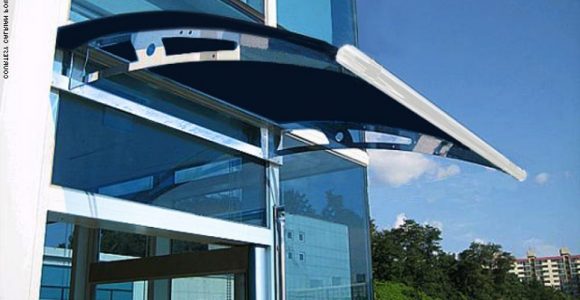
Awning definition, What is an awning? An awning is a cover made from canvas to sanctuary individuals or things from rain or sunlight, usually one will certainly use words awning about a roof-l...
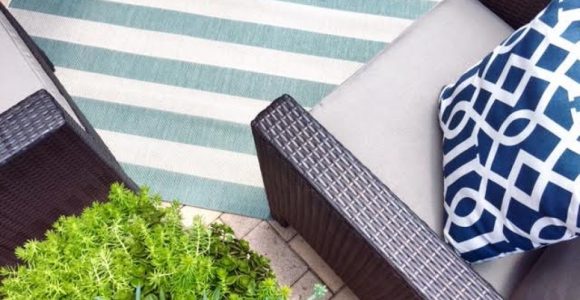


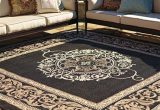
Frontgate outdoor rugs. These days embellishing does not have to be regarding custom-made, it could be regarding where to discover it currently and also exactly how to make it function for you. T...

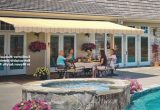
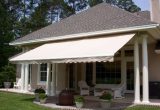


Retractable awning prices is influenced in various other means, too. On-line assemblers bill delivery costs, however this is more than balanced out by the reality they don't charge sales tax (bes...

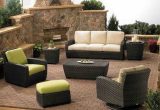

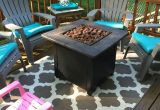
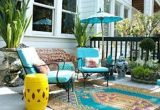
bed bath and beyond outdoor rugs (additionally called location rugs) not just include to the appearance of a space, yet likewise develop a setting including form, shade, and structure. Residence ...