Nuloom Outdoor Rugs
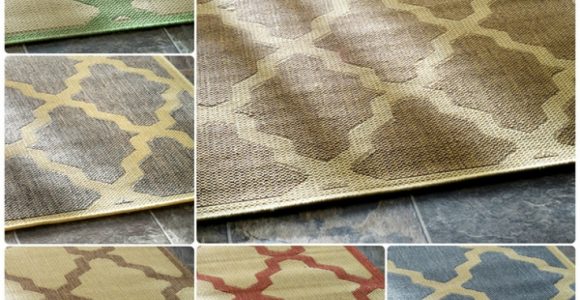



Nuloom Outdoor Rugs with pictures released for to offer the concepts to influence enhancing your home. This post of Nuloom Outdoor Rugs have of our collection pictures as well as gallery for embe...
Nuloom Outdoor Rugs with pictures released for to offer the concepts to influence enhancing your home. This post of Nuloom Outdoor Rugs have of our collection pictures as well as gallery for embe...
A deck is a major investment in outdoor living, so its expected service life matters as much as its color or pattern. The choice usually comes down to two familiar materials: natural timber and composite decking made from a blend of wood fibers and recycled plastic. Both can create an attractive platform for dining, entertaining, and relaxing, but they age in very different ways.
Wood offers authentic grain, a warm feel underfoot, and a wide range of price points. Composite boards provide consistent color, low maintenance, and strong resistance to moisture-related problems. However, the longest-lasting option depends on the timber species, product quality, local weather, installation details, and the care a homeowner is prepared to provide.
For a wider range of outdoor living ideas, it helps to view decking as part of the complete garden design. Nearby paving, planting, fencing, shade structures, and drainage can all affect how well the deck performs over time.
The material itself is only one factor in the lifespan of a deck. Water is often the greatest threat, particularly when it sits against joists, collects between boards, or remains trapped beneath outdoor furniture and planters. Good airflow, a properly sloped substructure, and sufficient spacing between planks help the surface dry after rainfall.
Sun exposure also affects durability. Ultraviolet light can fade wood stain and cause some composite boards to lose color during their early years. Freeze-thaw cycles, coastal salt, heavy foot traffic, and frequent movement of furniture can increase wear. A deck in a sheltered garden may last considerably longer than the same product installed beside an exposed coast.
Installation quality is equally important. Joists must be correctly spaced and supported, fasteners should be suitable for the board material, and the frame needs protection from prolonged dampness. A premium decking product cannot compensate for poor drainage or an unstable foundation.
Pressure-treated softwood is a common choice because it is widely available and relatively affordable. With regular cleaning, sealing, and prompt repairs, it can often provide around 10 to 20 years of service, although neglected boards may deteriorate much sooner. Higher-quality treated timber and careful construction can extend that range.
Hardwoods such as ipe, teak, and certain varieties of mahogany are naturally dense and resistant to insects and moisture. They may last 25 years or longer when installed correctly, but they usually cost more and can be harder to cut and fasten. Their dense structure also means that installers must use suitable tools and pre-drill where necessary.
Wood changes as it ages. It can fade to silver, develop surface checks, warp, split, or form splinters. These changes are not always signs of structural failure, but they can reduce comfort and visual appeal. Annual cleaning and periodic oiling or staining help preserve the original appearance, while damaged boards should be replaced before decay spreads to the frame.
Composite decking is engineered to resist many problems associated with untreated or poorly maintained timber. Its plastic content reduces water absorption, while the wood fibers give the boards a more natural appearance and texture. Most quality composite products are resistant to rot, insect damage, and cracking caused by ordinary moisture exposure.
A well-made composite deck commonly lasts 25 to 30 years, and some manufacturers provide warranties of 25, 30, or even 50 years. A capped composite board, which has a protective outer layer around its core, generally offers better resistance to staining, fading, and moisture than an uncapped product. The warranty still depends on correct installation and normal residential use.
Composite is not maintenance-free. It needs sweeping and occasional washing, and grease, food, or leaf stains should be addressed promptly. Boards can become hot in direct summer sun, and low-quality products may fade, scratch, or show a noticeable difference between replacement batches. Composite may also expand and contract more than wood, so the installer must follow the manufacturer’s spacing requirements.
The most durable material depends on whether “durability” means structural longevity, resistance to weather, or the ability to retain a fresh appearance. A hardwood deck may remain structurally sound for decades, while a composite deck may require less effort to keep looking uniform. Comparing both service life and maintenance gives a more realistic picture of value.
| Factor | Wood Decking | Composite Decking |
|---|---|---|
| Typical service life | 10–20 years for treated softwood; 25+ for many hardwoods | Around 25–30 years, with some products lasting longer |
| Moisture resistance | Varies by species and treatment; vulnerable to rot when neglected | Generally high, especially with capped boards |
| Routine maintenance | Cleaning, staining, sealing, and board repairs | Sweeping and occasional washing |
| Appearance over time | Natural weathering, fading, checks, and possible splinters | More consistent color, though fading and scratches can occur |
| Initial cost | Usually lower for softwood; high for premium hardwood | Often higher than basic timber |
| Repair and replacement | Easy to cut and replace; matching aged boards can be difficult | Replacement boards may differ slightly in color |
| Environmental considerations | Renewable when responsibly sourced; treatments and transport matter | Often contains recycled material but is difficult to recycle in some areas |
Initial price should not be the sole deciding factor. A low-cost softwood deck may require staining every one to three years, while a composite deck may cost more at installation but demand less labor afterward. Over a 20-year period, maintenance products, cleaning equipment, replacement boards, and professional servicing can narrow the difference between the two options.
In wet regions, composite decking usually has an advantage because it does not provide the same food source for fungi as untreated wood. Even so, moisture can still damage the timber frame underneath. Joists should be kept off persistently wet ground, and protective joist tape or an appropriate frame treatment can reduce water exposure at vulnerable points.
In hot, sunny climates, board color becomes important. Dark composite decking absorbs more heat and may be uncomfortable for bare feet during peak summer. Lighter tones and shaded areas can improve usability. Wood also warms in sunlight, but its surface can weather and dry more quickly, increasing the need for protective finishes.
Good drainage is essential in every climate. The deck should sit high enough to allow air to circulate below it, with no soil or dense vegetation blocking the underside. Fasteners must be corrosion-resistant, especially near swimming pools or the sea. A professional installer should also allow for expansion gaps and use the manufacturer’s recommended clips, screws, and edge details.
The best decking material is the one that matches the property, budget, and maintenance habits. Homeowners who value natural texture and do not mind seasonal care may prefer wood. Those seeking predictable upkeep and stronger resistance to everyday moisture may find composite a more convenient long-term choice.
Before making a decision, consider these practical priorities:
Color and texture should also be assessed outdoors rather than under showroom lighting. Look at samples beside the home’s walls, paving, fencing, and garden furniture. A deck that coordinates with the surrounding landscape will often feel more integrated than one selected only for its individual board pattern.
Longevity is valuable, but so is the experience of using the deck. Wood has a tactile quality that many people prefer, and small scratches can sometimes be sanded and refinished. It can also be painted or stained in a new color, giving homeowners greater flexibility when the garden style changes.
Composite offers a cleaner, more consistent finish with fewer seasonal chores. It is particularly useful for busy households, rental properties, and outdoor entertaining areas where spilled drinks, frequent foot traffic, and changing weather are common. Its uniform appearance can support a modern patio design, especially when paired with built-in seating and contemporary lighting.
For either material, thoughtful furniture placement helps prevent premature wear. Use protective pads under heavy chairs, avoid dragging planters across the boards, and leave space beneath containers so water can evaporate. Regular sweeping removes grit that can act like sandpaper under moving feet and furniture.
A wood deck can last longer than expected when built with durable timber and maintained carefully. A composite deck can underperform when installed without adequate ventilation or when the boards are exposed to excessive heat and poor drainage. In practical terms, quality composite generally offers the more dependable long-term lifespan for low-maintenance use, while well-maintained hardwood can rival or exceed it structurally.
Invest in the foundation as carefully as the visible boards, compare warranties and care requirements, and choose a finish that suits the way your household uses the garden. With the right material and installation, a deck can remain a comfortable, attractive part of the home for many years.
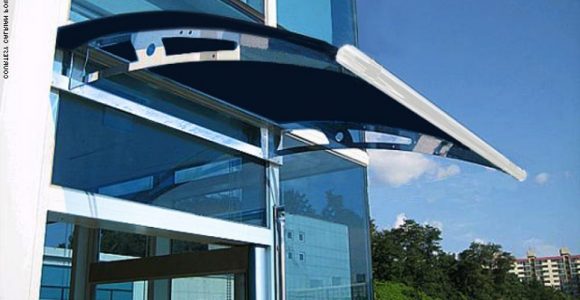
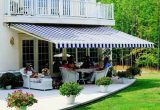
Awning definition, What is an awning? An awning is a cover made from canvas to sanctuary individuals or things from rain or sunlight, usually one will certainly use words awning about a roof-l...
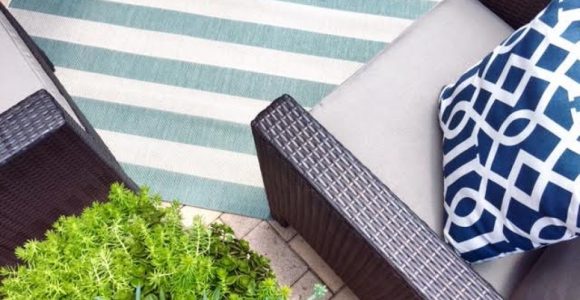


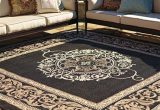
Frontgate outdoor rugs. These days embellishing does not have to be regarding custom-made, it could be regarding where to discover it currently and also exactly how to make it function for you. T...

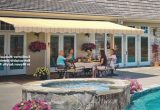
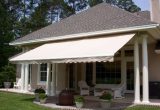


Retractable awning prices is influenced in various other means, too. On-line assemblers bill delivery costs, however this is more than balanced out by the reality they don't charge sales tax (bes...

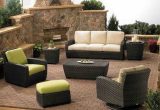
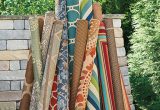
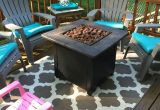

bed bath and beyond outdoor rugs (additionally called location rugs) not just include to the appearance of a space, yet likewise develop a setting including form, shade, and structure. Residence ...