Nuloom Outdoor Rugs
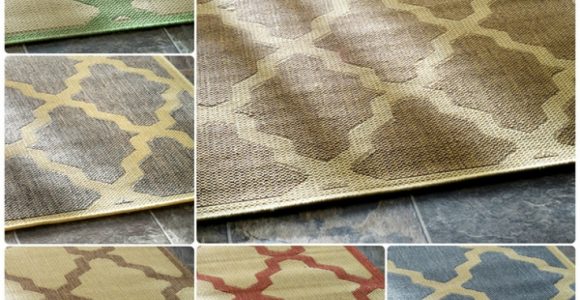



Nuloom Outdoor Rugs with pictures released for to offer the concepts to influence enhancing your home. This post of Nuloom Outdoor Rugs have of our collection pictures as well as gallery for embe...
Nuloom Outdoor Rugs with pictures released for to offer the concepts to influence enhancing your home. This post of Nuloom Outdoor Rugs have of our collection pictures as well as gallery for embe...
Healthy soil is the foundation of an attractive outdoor living space. It supports dense grass, colourful flowers, productive vegetables and resilient shrubs, while also helping paved areas, patios and garden borders look more settled within the landscape. Choosing the right soil for a lush lawn and garden starts with understanding what your property already has rather than buying the first bag labelled “premium”.
Australian gardens face varied conditions, from sandy coastal blocks in Perth and Adelaide to heavy clay in Melbourne and compacted urban soil around Sydney. Hot summers, sudden downpours, water restrictions and long periods without rain all influence how soil should drain, hold moisture and supply nutrients. A thoughtful soil mix can make maintenance easier and help plants cope with the local climate.
| Soil type | Best use | Main strengths | Common limitation |
|---|---|---|---|
| Sandy soil | Lawns, native plants, drainage areas | Drains quickly and warms fast | Loses water and nutrients |
| Clay soil | Established gardens and moisture-loving plants | Holds moisture and minerals | Compacts easily and drains slowly |
| Loam | General lawns, borders and vegetables | Balanced drainage, air and fertility | May be expensive to purchase |
| Sandy loam | Most Australian residential gardens | Easy to work and suitable for many plants | Needs regular organic matter |
| Compost-enriched soil | Garden beds and soil improvement | Increases fertility and biological activity | Can settle or dry if used alone |
Before ordering soil, inspect the conditions across your block. A front lawn exposed to western sun may need a different treatment from a shaded backyard beneath a mature gum tree. Note where water collects after rain, where the ground dries fastest and where foot traffic has compressed the surface. These observations are more useful than relying on a general soil recommendation.
A simple hand test can reveal whether soil is sandy, clay-based or loamy. Moisten a handful and squeeze it. Sandy soil falls apart quickly, clay forms a sticky ribbon or firm ball, and loam holds together lightly while still crumbling when disturbed. A laboratory soil test can also measure pH, phosphorus, salinity and organic matter, which is particularly valuable when establishing a new lawn or vegetable garden.
Australian conditions make drainage especially important. In Brisbane, humid weather and intense summer storms can leave poorly drained beds waterlogged, while Perth’s sandy soils may need compost and clay-based soil conditioners to retain moisture. In Melbourne, compacted clay can become hard in summer and sticky in winter, so improving structure should happen gradually rather than through a single heavy application.
Lawn grasses require a reasonably even, free-draining root zone with enough organic matter to hold water without becoming soggy. Many Australian lawns use warm-season varieties such as buffalo, couch or kikuyu, which perform well in sunny conditions but still need adequate soil depth. A prepared layer of quality sandy loam is often more practical than spreading garden mix designed for ornamental beds.
Garden plants have more varied requirements. Mediterranean herbs, grevilleas and other drought-tolerant species prefer leaner soil with excellent drainage, while leafy vegetables, roses and flowering annuals benefit from fertile soil that retains moisture. Native plants should not automatically be placed in rich, manure-heavy soil, as excessive phosphorus can damage sensitive species such as banksias and some grevilleas.
When improving soil, avoid creating a sharp boundary between imported material and the existing ground. Roots need to move through both layers, and water should travel naturally rather than stopping at a dense interface. Blend compatible soil and compost into the upper section of the bed, then shape the surface so rainfall flows away from walls, paving and outdoor structures.
The right soil can also support broader home improvement projects. A well-drained lawn beside a patio reduces muddy edges, while stable garden beds soften fencing and create a more comfortable outlook from entertaining areas. For ideas that connect planting with outdoor design, explore French Creative alongside your landscaping plans.
Organic matter is one of the most versatile soil amendments for residential gardens. Mature compost, aged manure, leaf mould and well-rotted organic blends improve crumb structure, support earthworms and help soil manage water more effectively. Use certified products from reputable Australian suppliers, particularly for vegetable beds where contamination and weed seed can be concerns.
Do not treat compost as a complete replacement for topsoil. Pure compost can shrink as it decomposes, become hydrophobic when dry or contain more nutrients than certain plants need. A useful general approach is to mix a moderate amount through the existing topsoil, then cover the surface with mulch. The exact quantity depends on the soil test and the requirements of the plants.
Gypsum is often promoted as a universal clay treatment, but it does not fix every drainage problem. It is most useful for sodic soils, where excess sodium affects structure. Incorporating organic matter, avoiding work when clay is wet and directing surface water appropriately may have a greater impact on a typical suburban block.
For a new lawn, remove rubble, roots and construction waste before spreading soil. Establish a consistent depth across the area and gently firm it so the surface does not sink unevenly. The ground should be settled but not compacted like a pathway. A light rake creates a fine finish for seed or turf, while a slight fall helps excess water leave the lawn during heavy rain.
Garden bed preparation should reflect the plants, available water and amount of maintenance you can provide. Raised beds can improve drainage on flat sites and make vegetable growing easier, but they dry faster in hot weather. In Adelaide or Canberra, a raised bed may need thicker mulch and reliable irrigation through summer, especially when winds increase evaporation.
For in-ground beds, loosen compacted soil with a garden fork rather than repeatedly turning it into a fine powder. Overworked soil can lose structure and form a crust after rain. Add organic matter near the root zone, remove perennial weeds and leave the finished surface slightly below paths so mulch and water stay within the bed.
Mulch is an important part of soil management in Australia. Sugarcane mulch, chipped bark, composted arborist material and other suitable products reduce evaporation, suppress weeds and protect soil from intense sun. Keep mulch away from plant stems and building edges, and replenish it as it breaks down. Around coastal properties, select materials that tolerate salt-laden air and avoid allowing wet mulch to remain against timber fencing.
Consider irrigation while preparing the soil. Dripline or porous hose delivers water close to roots and reduces runoff, whereas frequent shallow sprinkling encourages shallow rooting. Check local restrictions and choose efficient watering practices, particularly in regions affected by drought. Soil that holds moisture evenly can reduce reliance on irrigation without leaving plants stressed.
Soil quality changes with use, weather and plant growth, so maintenance should be ongoing. Aerate high-traffic lawns when the ground is moderately moist, remove thatch if it prevents water penetration and apply lawn fertiliser according to grass type and seasonal growth. Too much nitrogen can produce soft, fast growth that needs frequent mowing and may be more vulnerable to pests.
A seasonal soil routine is easier to manage when it focuses on observation. Check whether water beads on the surface, whether the lawn feels spongy or hard underfoot and whether garden plants show pale leaves or weak growth. These signs may indicate compaction, poor drainage, nutrient imbalance or incorrect watering rather than a simple need for more fertiliser.
Autumn is often a useful planting period in southern cities because cooler temperatures and seasonal rainfall help roots establish before summer. In tropical and subtropical areas, the timing may shift around the wet season, when drainage and fungal disease become greater concerns. Local nurseries can recommend blends suited to the region, and many councils provide guidance on waterwise planting and soil improvement.
A lush garden is not created through fertiliser alone. Healthy soil contains air, moisture, minerals and living organisms in balance. It should support roots firmly while remaining open enough for drainage and oxygen. Organic matter, suitable plants, careful watering and sensible traffic control work together to preserve that balance.
Start by testing a small section of your property, then choose a soil blend and amendment strategy suited to your lawn, garden beds and local climate. With the right preparation, your outdoor areas can become greener, easier to maintain and better connected to the comfort and style of the rest of your home.





Awning definition, What is an awning? An awning is a cover made from canvas to sanctuary individuals or things from rain or sunlight, usually one will certainly use words awning about a roof-l...





Frontgate outdoor rugs. These days embellishing does not have to be regarding custom-made, it could be regarding where to discover it currently and also exactly how to make it function for you. T...





Retractable awning prices is influenced in various other means, too. On-line assemblers bill delivery costs, however this is more than balanced out by the reality they don't charge sales tax (bes...





bed bath and beyond outdoor rugs (additionally called location rugs) not just include to the appearance of a space, yet likewise develop a setting including form, shade, and structure. Residence ...