Choosing the right outdoor rug size for a dining set
An outdoor rug can make an alfresco dining area feel like a proper room rather than a collection of furniture on a hard surface. It adds colour, softens paving, defines the dining zone and gives chairs a more comfortable surface to move across. The key is choosing a size that works while people are seated and when they pull their chairs back.
For Australian homes, the decision also needs to account for strong sun, sudden rain, dusty backyards and the practical way outdoor spaces are used. A rug beneath a compact balcony setting will need a different approach from one beneath a large six-seater on a covered patio in Brisbane or Melbourne.
Start with the dining set dimensions
Measure the table first, including its full length and width. Then allow room for chairs to slide backwards without leaving the rug. A useful minimum is an additional 60 centimetres on every side, although 75 to 90 centimetres creates a more generous dining area and prevents chair legs from catching on the rug edge.
For example, a rectangular table measuring 180 by 90 centimetres generally suits a rug around 300 by 210 centimetres. A 240 by 100 centimetre table will feel more balanced on a rug of about 360 by 260 centimetres. These dimensions are guidelines rather than strict rules, since chair shape, table legs and available patio space all affect the final choice.
Round dining sets need the same principle applied in every direction. A 120-centimetre round table usually works best with a round rug of at least 210 centimetres in diameter. For a relaxed look, a 240-centimetre rug gives chairs plenty of space and makes the whole arrangement feel deliberately framed.
Match the rug shape to the patio layout
Rectangular rugs are the easiest option for most outdoor dining tables. They reinforce the table’s lines and suit long verandahs, narrow decks and standard paved entertaining areas. Keep the rug aligned with the main wall, fence or paving pattern rather than placing it at an awkward angle.
A square rug can work beneath a square table or in a broad courtyard where the dining set sits centrally. It also helps define a conversation and dining zone when a patio has several functions. Round rugs are softer visually and can suit circular tables, curved outdoor seating or a small bistro setting.
Leave enough visible flooring around the rug to make the space look intentional. A narrow border of exposed pavers can frame the dining zone, while a rug pushed tightly against a wall may appear undersized. On a large deck, a rug that is too small can make the furniture seem disconnected, as if the table has been placed on a bath mat.
Think about nearby features before settling on a shape. If a fire bowl or outdoor heater is close to the dining area, review safe clearances and heat exposure with guidance on fire pit placement before adding a rug beneath or beside the setting.
Allow for movement and everyday comfort
The most reliable sizing test is to pull every chair out as though guests are sitting down. All four legs should remain on the rug, with a little material beyond them. This matters particularly with chairs that have splayed legs, wide arms or runners that travel further back than the seat.
If the rug ends beneath the back legs, chairs may rock, snag or gradually curl the edges. That becomes frustrating during long lunches and can damage both the rug and the paving underneath. A larger rug also reduces noise as chairs move, which is useful on timber decks and in townhouse courtyards where sound carries.
Consider how the setting operates when the table is not being used. Will children play nearby? Is there a barbecue, outdoor kitchen or pool path beside it? An oversized rug can obstruct doors and walking routes, while a modestly larger rug can create a comfortable landing zone without taking over the entire patio.
For Australian alfresco areas, measure in metres and centimetres and compare those measurements with the actual product dimensions. Imported rugs may be listed in feet, while locally stocked designs are commonly sold in sizes such as 160 by 230, 200 by 290 or 240 by 330 centimetres. Checking the label carefully avoids an expensive mismatch.
Choose materials for Australian conditions
Polypropylene is a popular outdoor rug material because it is lightweight, relatively quick to dry and generally resistant to fading. It suits covered and uncovered patios, although even a UV-stable rug will last longer when it is protected from constant direct sun. Look for products described as outdoor-rated rather than simply washable.
Polyester can provide bright colours and a softer feel, while recycled plastic fibres often have a practical, slightly textured finish. Natural fibres such as jute, sisal and untreated cotton are attractive indoors, but they can absorb moisture and may deteriorate faster in exposed outdoor conditions. They are better reserved for enclosed verandahs or temporary styling.
Drainage matters as much as fibre. A flat-weave construction allows water and grit to move through more easily than a thick, cushioned pile. Place the rug over a clean, reasonably level surface, and lift it periodically so the paving or decking can dry. In humid parts of Queensland and coastal New South Wales, this simple habit helps reduce mildew and musty odours.
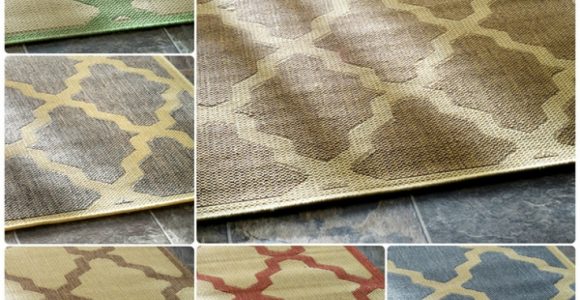
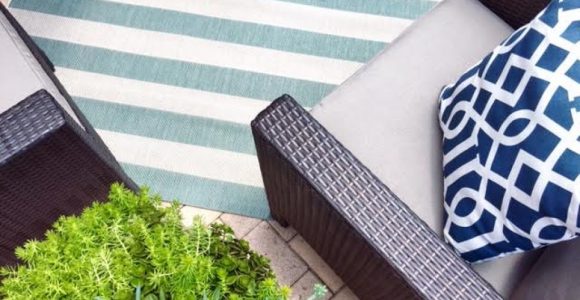
Colour should respond to the setting rather than fight it. Sand, charcoal, terracotta and muted blue work well with Australian timber, concrete and light-coloured masonry. Patterned designs are useful for disguising leaves and dust, especially in a backyard near gum trees, but very pale rugs show food marks quickly.
Build the rug into the wider outdoor room
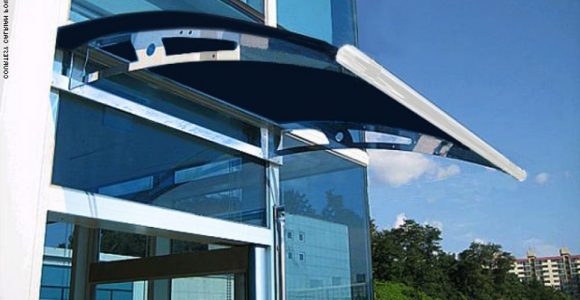
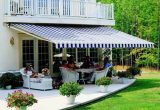
A dining rug should relate to the rest of the patio, including awnings, cushions, planters and paving. If the area receives fierce afternoon sun, an awning can make the rug and furniture more comfortable while reducing fading. Before deciding whether to install one, compare the practical considerations in this retractable awning guide, especially for a fixed home improvement project.
Scale is important when several outdoor elements share one space. A large dining rug can anchor a six-seater, but it should not run into a sofa rug unless the two zones are intentionally layered. In a compact Melbourne courtyard, keeping a clear strip around the dining setting can make the space feel larger. In a broad Perth entertaining area, a more generous rug can balance the openness and give the furniture visual weight.
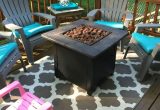
Use local design cues without making the arrangement feel themed. Light timber, powder-coated aluminium and woven textures suit many Australian homes, from coastal properties near Sydney to modern suburban builds in Adelaide. For a more industrial look, black frames and a patterned flat-weave rug can echo the atmosphere of a Perth brewery fit-out while remaining practical at home.
Measuring checklist and buying cues
Before shopping, make a simple floor plan with masking tape or chalk. Mark the table, pull each chair back to its normal sitting position and note doors, steps, drains and barbecue access. This quick mock-up is more dependable than judging rug size from a product photograph.
For a quick measuring pass:
- Record the table’s length, width or diameter
- Add at least 60 centimetres for chair movement on every side
- Mark the furthest point reached by pulled-back chairs
- Check that doors, gates and walking paths remain clear
- Compare the result with available metric rug sizes
When comparing products:
- Choose an outdoor-rated, UV-resistant fibre where possible
- Prefer a flat weave or low profile for easier chair movement
- Check drying, cleaning and warranty information
- Look for colours that hide dust, leaves and occasional spills
- Use a rug pad only if it is rated for outdoor moisture and drainage
The right dimensions can be narrowed down by comparing the table size, chair clearance and patio proportions together:
| Dining set |
Minimum practical rug size |
More generous rug size |
Suitable setting |
| Small round table, 90–110 cm |
180 cm round |
210–240 cm round |
Balcony or compact courtyard |
| Four-seat rectangular table, 120–150 cm |
200 × 140 cm |
240 × 170 cm |
Small patio or verandah |
| Six-seat rectangular table, 180 × 90 cm |
260 × 200 cm |
300 × 210 cm |
Standard alfresco area |
| Eight-seat rectangular table, 240 × 100 cm |
330 × 240 cm |
360 × 260 cm |
Large deck or entertaining zone |
| Six-seat square table, 140 cm |
240 × 240 cm |
270 × 270 cm |
Open courtyard |
If the ideal size is unavailable, choose the next size up when the patio has room. A slightly larger rug usually looks more settled and performs better than one that leaves chair legs half on and half off. Where space is tight, prioritise safe movement around doors and steps, then select the largest size that keeps those routes open.
A well-sized outdoor rug should make the dining set feel grounded without becoming an obstacle. Measure the furniture in use, allow for Australian weather and choose a material that suits the maintenance you are prepared to provide. With those decisions made, the rug becomes a durable part of the alfresco design rather than a short-lived decorative extra.