Nuloom Outdoor Rugs
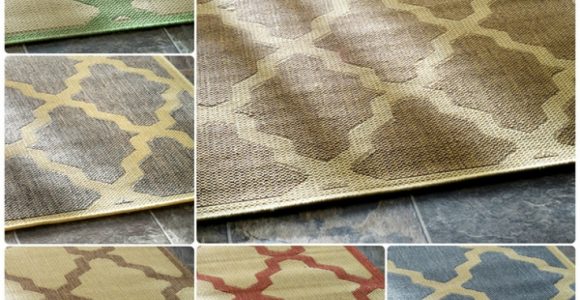



Nuloom Outdoor Rugs with pictures released for to offer the concepts to influence enhancing your home. This post of Nuloom Outdoor Rugs have of our collection pictures as well as gallery for embe...
Nuloom Outdoor Rugs with pictures released for to offer the concepts to influence enhancing your home. This post of Nuloom Outdoor Rugs have of our collection pictures as well as gallery for embe...
A driveway does more than provide a route from the street to the garage. It establishes the first impression of a property, frames the front garden, and must withstand vehicles, weather, stains, and constant foot traffic. Choosing the right pavers means balancing structural performance with the colours, textures, and patterns that suit the house.
The best surface depends on several practical details, including local climate, soil conditions, driveway slope, vehicle weight, and installation quality. A beautiful paving material can crack or shift if the foundation is poorly prepared, while a highly durable option may feel out of place beside a traditional façade.
A considered approach makes it easier to create a driveway that looks intentional and remains reliable for years. From concrete and clay to natural stone and permeable systems, each paving choice offers a different combination of maintenance needs, visual character, and cost.
Before selecting a material, assess how the driveway will be used. A short parking bay for one small car has different requirements from a broad entrance used by several vehicles, delivery vans, or trailers. Frequent turning places extra pressure on the surface, especially near the garage and at the pavement edge.
Weight is also important. Standard residential pavers are generally suitable for cars, but heavier vehicles may require thicker units and a reinforced base. Ask suppliers about recommended load ratings rather than assuming that a thicker-looking paver will automatically perform better.
Drainage should be considered at the same stage. Water that remains beneath or between pavers can weaken the sub-base, encourage moss, and cause movement during freezing weather. A gentle gradient, properly compacted aggregate, and suitable edge restraints help direct water away from the building and protect the paved area.
Concrete pavers are among the most versatile choices for residential driveways. They are available in many shapes, sizes, colours, and surface finishes, allowing homeowners to create anything from a clean contemporary grid to a traditional cobbled effect. Individual units can be replaced if oil staining or accidental damage affects a small area.
Clay brick pavers offer warm colour variation and a distinctive character that suits period homes, cottages, and heritage-inspired landscaping. High-quality clay generally holds its colour well because the pigment runs through the material rather than sitting only on the surface. However, bricks can be less uniform in size, and their installation may require more detailed planning.
Natural stone gives a driveway an upscale, organic appearance. Granite, sandstone, limestone, and porphyry each have different levels of hardness, porosity, and colour variation. Granite is particularly well suited to heavy use, while softer or more porous stones may need sealing and careful selection in areas exposed to frost or vehicle fluids.
| Paving material | Durability and performance | Style and maintenance | Best suited to |
|---|---|---|---|
| Concrete pavers | Strong, replaceable, and available in load-rated options | Wide range of colours; occasional cleaning and sealing may help | Modern, traditional, and mixed-style homes |
| Clay brick | Very durable with good colour retention | Warm, varied appearance; joints may need periodic attention | Period properties and cottage gardens |
| Natural stone | Excellent when the correct stone and thickness are selected | Unique texture and colour; may need sealing | Premium entrances and natural landscapes |
| Gravel or stabilised aggregate | Flexible and easy to repair, though it can move under traffic | Informal appearance; requires raking and topping up | Rural homes, long drives, and budget-conscious projects |
| Permeable concrete or clay systems | Designed to manage surface water when correctly installed | Similar visual options to standard pavers; channels need maintenance | Properties with drainage restrictions or runoff concerns |
Gravel is another practical option, especially for long driveways and country-style properties. It is usually less expensive to install and can provide effective drainage, but loose stone may migrate onto paths or roads. Stabilising grids can improve firmness and accessibility while reducing ruts.
Paver style should relate to the home rather than compete with it. Large-format concrete units with restrained colours tend to complement modern architecture, while smaller bricks or tumbled blocks can soften the appearance of traditional façades. Repeating a tone found in the roof, brickwork, window frames, or garden walls often creates visual connection.
Colour needs careful consideration because outdoor surfaces are viewed in changing light. Pale pavers can make a narrow entrance feel more open, although they may show tyre marks and dirt quickly. Charcoal and deep grey create a dramatic border or contemporary appearance, but very dark surfaces can become hot in strong sunlight and may reveal dust or efflorescence.
Texture affects both appearance and safety. Smooth finishes look refined but can become slippery when wet if they lack sufficient grip. Lightly textured, flamed, brushed, or riven surfaces provide traction and add visual depth. Avoid overly irregular profiles where wheels, prams, or mobility aids need to move comfortably.
Patterns can define the character of the driveway. Running bond layouts create a calm, elongated effect, while herringbone patterns interlock effectively and are useful for areas exposed to turning forces. A simple border can frame the entrance without making the overall design feel busy.
Paver size influences the perceived scale of the property. Large units reduce the number of joints and can make a wide driveway look orderly, but they may be harder to cut around curves, drainage channels, and manholes. Smaller pavers adapt more easily to intricate layouts and are often suitable for sweeping entrances.
For vehicle areas, the laying pattern should support stability as well as appearance. Herringbone arrangements, especially when set at 45 or 90 degrees to the direction of travel, help distribute braking and turning forces across multiple units. A competent installer will also use robust edge restraints to prevent the pattern from spreading.
Joint width and jointing material deserve attention. Kiln-dried sand is common for many concrete and clay systems, while polymeric jointing compounds can resist weed growth and erosion when installed correctly. The joints must be fully filled and maintained, since gaps allow pavers to shift under repeated pressure.
Curved driveways benefit from thoughtful detailing. Fan patterns, radial cuts, or smaller modular blocks can follow the shape without awkward slivers along the edge. Planning the pattern before excavation reduces waste and produces a cleaner finish around planting beds and gates.
Even premium pavers will fail if laid over a weak base. Installation normally involves removing unsuitable soil, preparing a compacted sub-base, adding the appropriate bedding layer, and carefully levelling the paving units. The required depth varies according to soil, climate, drainage, and expected traffic, so local conditions should guide the specification.
Clay-heavy or poorly drained ground may need additional excavation and drainage measures. Geotextile fabric can help separate aggregate from soft soil, while channel drains or soakaway systems may be appropriate where runoff could affect walls, neighbouring land, or public paths. Local regulations may also influence the use of impermeable surfaces.
Permeable paving is valuable when stormwater management is a priority. These systems allow water to pass through joints or specially designed units into a sub-base that temporarily stores and disperses it. They require the correct aggregate profile and regular removal of sediment, since blocked joints reduce their performance.
The edge treatment should be planned with the rest of the landscape. Raised kerbs provide a crisp boundary and protect planting areas, while flush edging can create a smoother transition for walking and wheeled access. Where a driveway meets a patio or outdoor entertaining area, coordinating materials can make the entire frontage feel more cohesive. Ideas for linking hard surfaces with comfortable outdoor zones can be found in this outdoor rug guide.
Every paving material needs some care, although the routine differs. Sweep the surface regularly to remove grit, leaves, and organic debris before they stain the joints. Deal with oil, algae, and moss promptly using cleaning products recommended for the specific material, since aggressive chemicals can damage sealers or alter natural stone.
Sealing is useful in some situations but should not be treated as a universal requirement. It can enhance colour, reduce absorption, and simplify cleaning, yet an unsuitable sealer may trap moisture or create an artificial sheen. Natural stone and clay products should be assessed individually, with advice from the manufacturer or an experienced installer.
Expect minor maintenance over time. Jointing sand may need replenishing, weeds may appear in neglected gaps, and isolated pavers can settle due to tree roots or underground movement. One advantage of modular paving is that repairs can usually be made locally instead of replacing the entire driveway.
When comparing quotes, look beyond the price per square metre. Ask whether excavation, waste removal, drainage, edging, bedding materials, compaction, and sealing are included. A lower initial price can become expensive if it excludes essential groundwork or uses a paving thickness unsuitable for vehicles.
A reliable driveway design brings together performance, appearance, and long-term upkeep. Before committing to a material, request physical samples and view them outdoors at different times of day. Digital colour charts rarely show the full variation found in clay, stone, or textured concrete.
Keep the surrounding landscape in mind. Low planting, gravel borders, lighting, fencing, and a front path should work with the paving rather than obscure it. A restrained palette usually ages better than several competing colours, while a contrasting border can provide enough definition without overwhelming the entrance.
Useful decisions to make before ordering include:
A driveway is part of the wider home environment, so its design deserves the same care as a patio, porch, or garden room. For additional ideas on coordinating practical upgrades with an attractive residential setting, explore French Creative for inspiration across indoor and outdoor living spaces.
Select samples, inspect the groundwork, and work with an installer who can explain how the chosen system will handle your site. With the right paver, a stable foundation, and a style that belongs to the property, your driveway can provide dependable daily performance while strengthening the character of your home.





Awning definition, What is an awning? An awning is a cover made from canvas to sanctuary individuals or things from rain or sunlight, usually one will certainly use words awning about a roof-l...
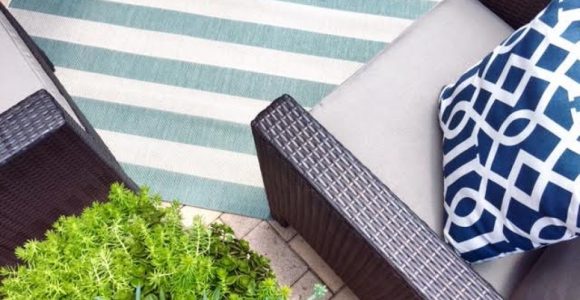




Frontgate outdoor rugs. These days embellishing does not have to be regarding custom-made, it could be regarding where to discover it currently and also exactly how to make it function for you. T...




Retractable awning prices is influenced in various other means, too. On-line assemblers bill delivery costs, however this is more than balanced out by the reality they don't charge sales tax (bes...





bed bath and beyond outdoor rugs (additionally called location rugs) not just include to the appearance of a space, yet likewise develop a setting including form, shade, and structure. Residence ...