Nuloom Outdoor Rugs




Nuloom Outdoor Rugs with pictures released for to offer the concepts to influence enhancing your home. This post of Nuloom Outdoor Rugs have of our collection pictures as well as gallery for embe...
Nuloom Outdoor Rugs with pictures released for to offer the concepts to influence enhancing your home. This post of Nuloom Outdoor Rugs have of our collection pictures as well as gallery for embe...
A well-chosen patio heater can turn an unused terrace, balcony, or garden seating area into a comfortable extension of the home. It allows outdoor meals, conversations, and quiet evenings to continue when temperatures drop, without requiring a major renovation or permanent heating system.
The best option depends on more than heat output. Covered patios, open lawns, compact balconies, and sheltered pergolas each have different ventilation, mounting, safety, and fuel requirements. The surrounding furniture, flooring, wind exposure, and intended use should also influence the decision.
Choosing the right patio heater means balancing warmth, energy use, appearance, convenience, and installation limits. With a clear understanding of the main heater types and their ideal locations, it becomes easier to create an outdoor room that feels inviting throughout more of the year.
Before comparing models, assess the shape and exposure of the area. An open patio loses warmth quickly because wind carries heated air away, while a covered terrace can retain heat more effectively. A narrow balcony may need a wall-mounted or tabletop appliance, whereas a large garden seating area may benefit from a tall freestanding infrared heater.
Measure the usable seating zone rather than the entire patio. Heating the whole garden is rarely practical or energy efficient; the goal is to warm the people using the space. Position seating in a compact arrangement around the heater, leaving sufficient clearance from walls, curtains, umbrellas, plants, and combustible furniture.
Covered spaces require particular attention to ceiling height and airflow. A gas heater should never be used in a fully enclosed room, conservatory, or poorly ventilated structure. Even a roofed pergola must have enough open sides for safe operation, especially when the unit burns propane or natural gas.
Electric patio heaters are often the most adaptable choice for residential use. They produce no fumes, start immediately, and can be installed on walls, ceilings, stands, or tables. Infrared electric models direct radiant heat toward people and surfaces instead of trying to warm the entire volume of air, making them effective in breezy areas.
Gas patio heaters use propane bottles or a fixed natural-gas connection. Their visible flame can create a traditional outdoor atmosphere, and freestanding gas towers can cover a broad seating circle. However, they require ventilation, fuel storage, regular checks, and a stable position. Running costs can also vary depending on fuel prices and usage patterns.
Infrared technology deserves separate consideration because it is available in several forms, including carbon, halogen, and short-wave units. A short-wave heater typically offers strong, focused warmth for exposed areas, while longer-wave infrared can feel gentler in covered seating zones. Check the manufacturer’s coverage claims rather than relying only on wattage.
| Heater type | Best setting | Main strengths | Points to consider |
|---|---|---|---|
| Wall-mounted electric | Covered patio or balcony | Saves floor space and offers targeted warmth | Requires a suitable wall and power connection |
| Freestanding electric | Flexible seating areas | Easy to reposition and simple to operate | Needs protection from rain and may use substantial electricity |
| Gas tower | Large, open patio | Broad radiant warmth and atmospheric flame | Needs ventilation, fuel, and a stable base |
| Tabletop heater | Small dining or lounge area | Compact and convenient for close seating | Covers a limited radius |
| Ceiling-mounted infrared | Pergola or covered terrace | Neat appearance with focused heat | Installation must meet clearance and electrical requirements |
Manufacturers may describe performance in watts, British Thermal Units, or square metres of coverage. These figures are useful starting points, but wind, ceiling height, humidity, and patio layout can change real-world results. A powerful appliance placed at the edge of an open lawn may feel less effective than a smaller infrared unit positioned close to a dining table.
For electric heaters, higher wattage generally means greater heat output, though it also increases electricity consumption. A low-powered tabletop model may suit two people sitting close together, while a larger wall or ceiling unit is more appropriate for a family-sized terrace. Several smaller heaters can sometimes provide more even comfort than one oversized appliance.
Gas heaters are often rated in BTUs. Higher ratings can help in exposed spaces, but output should be matched to the seating arrangement. Avoid choosing a unit purely because it has the highest specification. Excessive heat can make a covered patio uncomfortable and may increase fuel use without improving the experience.
Safety begins with placement. Keep a heater on a level, stable surface and follow the stated clearance distances above and around it. Freestanding gas models should have a broad, weighted base or an approved anchoring system, particularly in windy gardens. Never move a lit gas heater, and allow it to cool fully before storage.
Electrical models need outdoor-rated sockets, cables, and residual current protection. Do not rely on indoor extension leads unless they are specifically approved for exterior use. Look for a suitable ingress protection rating, often shown as an IP code, and use weatherproof covers when the heater is not operating.
Rain resistance does not mean a heater can be left exposed indefinitely. Store portable units under a dry, ventilated cover during severe weather and disconnect them before cleaning. Gas bottles should remain upright and away from direct heat, while fuel connections should be checked for damage or leaks according to the manufacturer’s instructions.
A patio heater should support the visual character of the outdoor space rather than dominate it. Slim black or stainless-steel models work well with contemporary paving, aluminium furniture, and minimalist planting. Bronze finishes and flame-based gas towers can complement traditional brick, timber structures, and warm-toned outdoor textiles.
Think about sightlines from inside the house. A ceiling-mounted heater can preserve an uncluttered view across a garden, while a freestanding model may become a focal point near a dining set. Wall-mounted units are discreet when positioned above head height, but they should not interfere with awnings, roof beams, lighting, or retractable shade systems.
Heating is also more effective when paired with sensible landscape planning. Screens, fencing, and dense planting can reduce wind exposure, although vegetation must remain well clear of hot surfaces. Outdoor rugs, cushions, and upholstered furniture improve comfort, but they should be positioned according to the heater’s clearance instructions.
Use the heater only when the seating area is occupied, and switch it off when guests leave. Timers, remote controls, and adjustable power settings make this easier, especially for electric infrared models. Zoning the patio allows one area to remain warm without heating unused parts of the garden.
The surrounding layout has a direct effect on energy use. Arrange chairs within the heater’s effective range, add wind protection where appropriate, and use a pergola or retractable awning to create a more sheltered microclimate. Avoid sealing the space completely around a fuel-burning appliance, since ventilation remains essential.
For households that use the patio for evening meals and social gatherings, comfort may include lighting, music, and varied entertainment options alongside warmth. These details should be planned together so that cables, heater controls, furniture, and serving areas do not compete for the same limited floor space.
Controls make a noticeable difference to daily use. A simple on-off switch may be sufficient for occasional gatherings, while remote operation, multiple heat levels, and timers are valuable for a frequently used terrace. Some electric models include motion sensors or smart-home compatibility, although these features may add cost without being essential.
For gas heaters, look for reliable ignition, flame-failure protection, a visible fuel gauge, and wheels that lock securely. A clear flame guard can improve safety while preserving the visual appeal of the fire. Electric units should have robust mounting brackets, intuitive controls, and a suitable cable length for the planned installation.
Maintenance should influence the purchase as well. Replaceable bulbs, accessible filters, corrosion-resistant finishes, and readily available spare parts can extend the product’s useful life. Buying from an established supplier and retaining the installation instructions makes future servicing easier. More practical outdoor design guidance is available through French Creative, where comfort and appearance are considered together.
The right patio heater should make outdoor space easier to use, not create another complicated system to manage. Review the patio’s exposure, seating arrangement, roof structure, and power or fuel options before comparing models. Then select a heater that delivers focused warmth while fitting naturally into the design.
Once installed, test it during a typical evening and adjust the furniture, screens, and controls to improve comfort. A thoughtfully heated patio can support relaxed dinners, late conversations, and quieter moments outside well beyond the warmest part of the year.
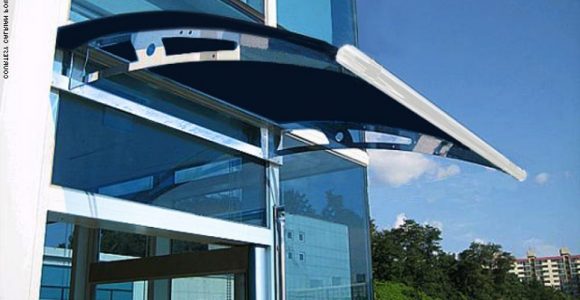

Awning definition, What is an awning? An awning is a cover made from canvas to sanctuary individuals or things from rain or sunlight, usually one will certainly use words awning about a roof-l...
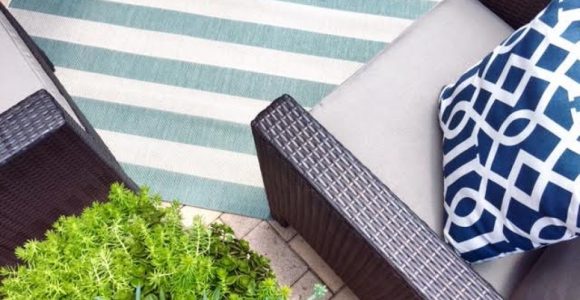




Frontgate outdoor rugs. These days embellishing does not have to be regarding custom-made, it could be regarding where to discover it currently and also exactly how to make it function for you. T...





Retractable awning prices is influenced in various other means, too. On-line assemblers bill delivery costs, however this is more than balanced out by the reality they don't charge sales tax (bes...




bed bath and beyond outdoor rugs (additionally called location rugs) not just include to the appearance of a space, yet likewise develop a setting including form, shade, and structure. Residence ...