Nuloom Outdoor Rugs
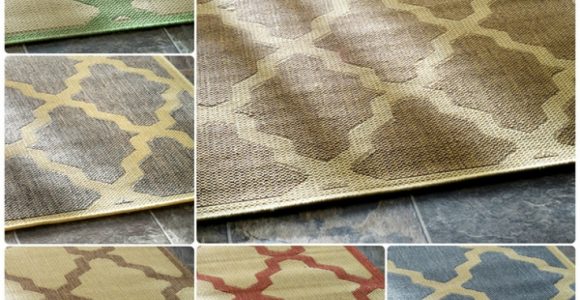


Nuloom Outdoor Rugs with pictures released for to offer the concepts to influence enhancing your home. This post of Nuloom Outdoor Rugs have of our collection pictures as well as gallery for embe...
Nuloom Outdoor Rugs with pictures released for to offer the concepts to influence enhancing your home. This post of Nuloom Outdoor Rugs have of our collection pictures as well as gallery for embe...
Outdoor timber projects are exposed to moisture, temperature changes, sunlight, insects, and regular movement. A pergola, deck, fence, gazebo, planter, or patio screen may look sound when it is first built, yet unsuitable fasteners can rust, stain the wood, or loosen long before the structure itself reaches the end of its useful life.
The right screws, nails, bolts, and connectors should be selected alongside the timber and the location. A sheltered porch has different needs from a coastal deck, while pressure-treated pine may react differently from cedar or redwood. Understanding these details helps create outdoor spaces that remain safe, attractive, and easier to maintain.
Fasteners are small components, but they influence structural strength, water resistance, appearance, and future repairs. A thoughtful choice also supports the broader design of a property, where outdoor design ideas can be combined with durable materials and practical construction methods.
Wood naturally expands when it absorbs moisture and contracts as it dries. This repeated movement places stress on fasteners, especially around deck boards, fence rails, roof supports, and exposed joints. A fastener that is too short may pull out, while an overly rigid or poorly placed one can split the timber.
Corrosion is another major concern. Rain, condensation, lawn irrigation, and standing water can attack unprotected metal. Salt in coastal air accelerates this process, and chemicals used in pressure-treated lumber may make ordinary steel fasteners corrode even faster. Rust can weaken the connection and leave dark marks that bleed into the surrounding wood.
The correct fastener should therefore suit three things: the load it must carry, the type of wood it enters, and the environmental conditions around the project. Decorative privacy screens may need corrosion resistance and a neat finish, whereas a pergola ledger or stair stringer requires a verified structural connection.
Stainless steel is one of the most dependable options for outdoor woodworking. Grade 304 stainless steel works well for many residential applications, including decks, fences, pergolas, and garden furniture. Grade 316 offers improved resistance in coastal areas or locations exposed to salt spray, pool chemicals, and persistent moisture. Stainless fasteners cost more, but they are often worthwhile where replacement would be difficult or wood staining would be especially noticeable.
Hot-dip galvanized fasteners provide a practical balance between durability and cost. Their thicker zinc coating protects the underlying steel and makes them suitable for many exterior framing and landscaping projects. They are often a good choice for treated lumber, although compatibility should still be checked against the treatment manufacturer’s recommendations.
Electro-galvanized screws have a thinner coating and are generally intended for lighter-duty or less exposed applications. They may perform adequately in a covered structure, but they are a weak choice for an open deck, retaining feature, or fence in a wet climate. Bright indoor screws and uncoated steel nails should not be used where regular moisture is expected.
Exterior-rated wood screws are popular because they provide strong pull-out resistance and can be removed for repairs or alterations. Look for screws specifically marked for outdoor use, with a corrosion-resistant coating or stainless-steel construction. Torx or star-drive heads usually offer better bit engagement than traditional Phillips heads, reducing cam-out during installation.
For structural framing, use structural screws or engineered lag-style screws approved for the intended connection. These products are designed to carry higher loads and may replace some traditional lag bolts when installed according to the manufacturer’s instructions. Their length, diameter, edge distance, and spacing still matter; a strong screw cannot compensate for a poorly designed joint.
Decking screws should be chosen according to the board material. Composite decking often requires branded screws or color-matched systems, while cedar and redwood benefit from stainless steel to reduce black staining and corrosion marks. Trim-head screws can create a subtle finish on screens and cladding, but they should not be substituted for structural fasteners where the joint carries significant weight.
Predrilling is useful when working near board ends, with dense hardwoods, or with brittle cedar and redwood. A clearance hole through the first board allows the screw to pull the pieces together, while a pilot hole in the receiving timber reduces splitting. Countersinking should be shallow enough to avoid creating a pocket that holds water.
Framing nails remain valuable for timber structures because they are quick to install and can resist the repeated movement found in some framed connections. Hot-dip galvanized or stainless-steel ring-shank nails offer much better holding power and corrosion resistance than smooth, interior-grade nails. Pneumatic nailers save time, but pressure should be adjusted to prevent the heads from being driven too deeply.
Bolts are suitable for heavily loaded joints such as posts connected to beams, porch supports, and large pergola frames. Through-bolts with washers spread pressure over a broader area than a screw head, reducing the risk of crushing the wood. Use galvanized or stainless hardware throughout the connection, including the washers and nuts, rather than combining metals with different corrosion characteristics.
Carriage bolts provide a tidy appearance because their rounded heads are visible on one side, while the square shoulder helps prevent rotation during tightening. Hex-head lag screws can be useful where access is limited, but they should be installed with the correct pilot hole and a washer when specified. Never rely on a decorative bolt simply because it looks substantial; confirm its grade and intended use.
Metal connectors, joist hangers, post bases, and angle brackets are often essential for outdoor framing. Match these fittings with compatible nails or connector screws recommended by the manufacturer. Ordinary deck screws may not be approved for structural metal connectors, and substituting them can reduce the capacity of the joint.
The best choice depends on exposure, appearance, timber chemistry, and structural demand. The following guide provides a starting point for residential projects, but product specifications should take priority where a building code or engineered plan applies.
| Fastener type | Suitable uses | Main advantages | Points to check |
|---|---|---|---|
| 304 stainless-steel screw | Decking, fences, pergolas, garden furniture | Excellent corrosion resistance and clean appearance | Higher price; may require careful driving |
| 316 stainless-steel screw | Coastal decks, pool areas, marine-influenced sites | Superior resistance to salt and chemicals | More expensive; avoid mixing with incompatible metals |
| Hot-dip galvanized screw or nail | Exterior framing, fences, treated timber | Durable protection at a moderate cost | Confirm coating and treatment compatibility |
| Structural screw | Beams, ledgers, posts, heavy framing | High load capacity and easy installation | Follow approved spacing, length, and edge distances |
| Through-bolt | Major timber joints and supports | Strong clamping force and broad load distribution | Needs access to both sides and periodic inspection |
| Ring-shank nail | Framing, sheathing, fence construction | Fast installation and good withdrawal resistance | Difficult to remove; use exterior-rated metal |
| Hidden decking fastener | Grooved boards and refined deck surfaces | Minimal visible hardware | Must match the board profile and installation system |
A fastener’s finish is only one part of its performance. Diameter and length must provide enough penetration into the supporting member without emerging through the back or weakening a narrow piece of timber. For a structural connection, follow the published requirements rather than estimating from appearance.
Pressure-treated wood should be handled with particular care. Modern treatments can contain copper compounds that react aggressively with unsuitable metals. Use fasteners labeled for treated lumber, and check whether the product requires hot-dip galvanizing or stainless steel. The same rule applies to hangers, brackets, post anchors, and washers attached to the treated timber.
Keep fasteners away from board edges and ends whenever possible. Splitting is more likely when several screws are placed in a tight line, especially in dry or narrow boards. Staggering the fasteners and drilling pilot holes can preserve the strength of the timber while producing a cleaner finish.
Avoid leaving large recesses around screw heads where rain can collect. A screw should sit flush or slightly below the surface only when the application calls for it. Overdriving damages the protective coating and creates a small depression that holds water. On exposed horizontal surfaces, orient joints and gaps so water can drain rather than remain trapped around the hardware.
Use a consistent metal throughout each assembly. Stainless screws paired with ordinary steel washers can still create rust stains, while galvanized fittings scratched during installation may lose some of their protective coating. If a cut is made in a galvanized bracket, protect the exposed area with a suitable exterior repair coating recommended for that product.
Begin by identifying the structure’s most demanding connections. A decorative fence panel may need only corrosion-resistant screws, while a roofed gazebo, elevated deck, or freestanding pergola may require post bases, structural screws, bolts, and approved brackets. Separate visible finish hardware from concealed structural hardware so neither is asked to perform the wrong job.
Measure the combined thickness of the materials before selecting screw length. The fastener must pass through the outer member and enter the supporting wood deeply enough to hold securely, but excessive length can damage hidden services, create a hazard, or protrude into a walkway. For bolts, allow space for washers and nuts without crushing the timber.
Buy bits that fit the drive recess and keep a spare or two on site. A worn bit can damage the head and encourage installers to apply excessive force. Exterior construction is also easier when fasteners are stored dry and organized by size, material, and purpose. This prevents a quick substitution with an unsuitable indoor screw halfway through the project.
Inspect outdoor connections periodically, particularly after the first wet season and following severe storms. Look for rust, raised screw heads, cracked timber, loose washers, and dark staining around the joint. Early replacement is usually simpler than repairing a weakened post or dismantling a section of decking.
Use these points when selecting hardware for a residential outdoor wood project:
Well-chosen fasteners preserve more than the strength of a structure. They help deck boards stay aligned, keep pergola joints tight, reduce staining on attractive timber, and make future maintenance less disruptive. When a project is exposed to harsh weather or supports people overhead, rely on product ratings, local building requirements, and professional advice for critical connections.
Take time to compare corrosion resistance, structural capacity, installation method, and visual finish before purchasing a box of hardware. With the right fasteners supporting the design, outdoor woodwork can remain secure, comfortable, and visually appealing through changing seasons.
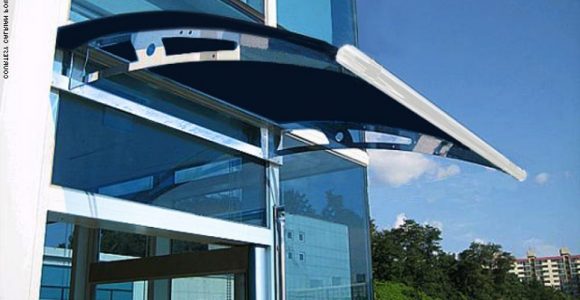
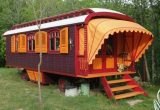
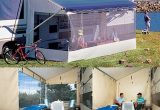
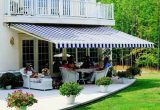
Awning definition, What is an awning? An awning is a cover made from canvas to sanctuary individuals or things from rain or sunlight, usually one will certainly use words awning about a roof-l...
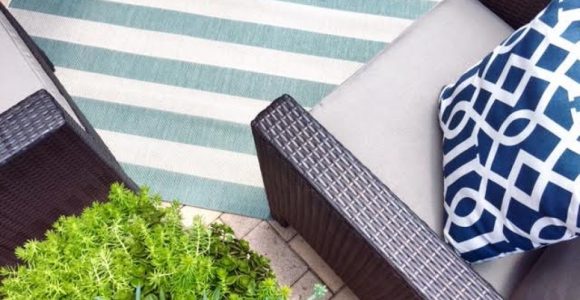


Frontgate outdoor rugs. These days embellishing does not have to be regarding custom-made, it could be regarding where to discover it currently and also exactly how to make it function for you. T...



Retractable awning prices is influenced in various other means, too. On-line assemblers bill delivery costs, however this is more than balanced out by the reality they don't charge sales tax (bes...

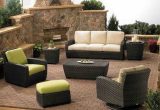
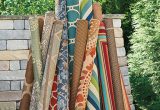
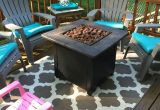
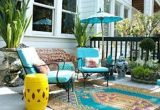
bed bath and beyond outdoor rugs (additionally called location rugs) not just include to the appearance of a space, yet likewise develop a setting including form, shade, and structure. Residence ...