Nuloom Outdoor Rugs
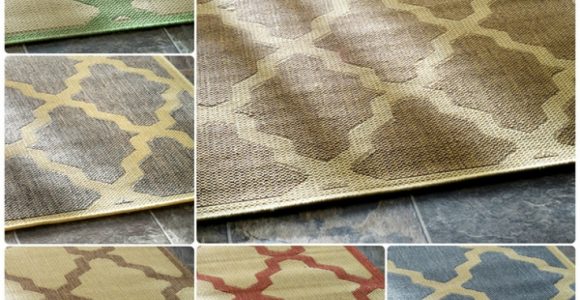



Nuloom Outdoor Rugs with pictures released for to offer the concepts to influence enhancing your home. This post of Nuloom Outdoor Rugs have of our collection pictures as well as gallery for embe...
Nuloom Outdoor Rugs with pictures released for to offer the concepts to influence enhancing your home. This post of Nuloom Outdoor Rugs have of our collection pictures as well as gallery for embe...
A well-chosen patio color scheme can make an outdoor area feel like a natural extension of the home. Cushions, loungers, dining chairs, umbrellas, and rugs all contribute to the atmosphere, yet their appearance must withstand sunlight, rain, humidity, dust, and frequent use. Color is therefore both a decorative decision and a practical one.
Ultraviolet radiation is the main reason outdoor fabrics lose their original intensity. Heat accelerates material breakdown, while moisture and cleaning products can weaken dyes and coatings. A bright shade may look attractive in a showroom but become uneven or washed out after several summers if the material is poorly suited to outdoor conditions.
The most reliable approach combines fade-resistant textiles, durable finishes, sensible placement, and a palette that remains attractive as it gently weathers. Understanding how different materials and colors behave makes it easier to invest in patio furniture that continues to look polished.
Sunlight contains ultraviolet rays that break down the chemical bonds in dyes and pigments. Dark, saturated colors often show this change first because they absorb more solar energy. Deep navy, burgundy, forest green, and charcoal can become softer or slightly dusty in appearance when exposed to strong sunshine for long periods.
Fading is rarely caused by sunlight alone. Water can carry dirt into the fibers, leaving pale marks around seams and edges. Chlorine, sunscreen, bird droppings, and harsh detergents may also create irregular discoloration. Furniture positioned beside a swimming pool or under a dripping tree may age differently from pieces in a covered dining area.
The orientation of the patio matters as well. A south- or west-facing space generally receives intense afternoon light, while a shaded courtyard may preserve textiles for longer. Wind can increase abrasion by moving grit across cushions, and trapped moisture beneath covers can encourage mildew. These environmental details should influence both color and material selection.
Solution-dyed acrylic is one of the strongest choices for outdoor cushions and upholstery. The pigment is integrated throughout the fiber before it is spun, rather than applied only to the surface. As a result, the fabric keeps its color better when exposed to ultraviolet radiation, rain, and regular cleaning. It is also breathable and less likely to feel excessively hot than some synthetic alternatives.
Solution-dyed polyester can offer good performance at a lower price, particularly when it has a UV-resistant coating. It is suitable for cushions, decorative pillows, and umbrellas, though quality varies between manufacturers. Olefin is another useful option for outdoor textiles because it resists moisture, mildew, and sunlight while remaining relatively affordable.
Powder-coated aluminum furniture is available in many finishes and generally maintains its appearance well. The coating protects the metal from rust and creates a stable surface for color. Teak and other naturally durable hardwoods do not usually fade in the same way as dyed fabric, but they weather from honey-brown to silver-gray unless they are regularly oiled. Wicker should be checked carefully: synthetic resin wicker is more dependable outdoors than untreated natural fiber.
A patio with full sun benefits from a balanced mix of pale, medium, and moderately deep tones. Warm sand, mushroom, stone, muted terracotta, and soft olive tend to age gracefully because minor changes are less conspicuous. These shades also reflect some heat and coordinate easily with paving, brick, timber, and rendered walls.
Very light fabrics are not automatically the most durable choice. Ivory and pure white may resist visible UV fading, but they reveal soil, pollen, food spills, and mildew quickly. If a fresh appearance is important, choose washable covers in a warm off-white or combine pale cushions with darker, removable seat pads.
In a shaded garden, richer colors can create welcome depth without suffering the same level of solar stress. Blue-gray, muted teal, clay, and deep green work especially well near planting beds and natural stone. When a patio sits beside a sloped garden, terraced garden ideas can help coordinate furniture tones with retaining walls, plants, and changes in elevation.
Consider the permanent elements before selecting upholstery. The color of paving, fencing, awnings, exterior paint, and outdoor rugs should form the background of the scheme. Furniture does not need to match every feature, but repeated undertones create visual continuity. For example, a blue-gray cushion can connect slate paving to silver foliage, while terracotta accents can echo brickwork and clay planters.
Color performance depends on fabric quality, exposure, and care, but some shades are generally easier to maintain than others. The following guide describes practical tendencies rather than absolute rules.
| Color family | Appearance over time | Maintenance visibility | Good pairing choices |
|---|---|---|---|
| Sand, taupe, and mushroom | Usually ages gently | Dust may blend in; spills can show | Timber, limestone, black metal |
| Warm white and ivory | Can remain bright but may look dirty | Marks, pollen, and mildew are noticeable | Pale stone, rattan, soft green |
| Terracotta and rust | Often softens attractively | Soil is less obvious | Brick, teak, cream, olive |
| Sage and muted olive | Usually weathers subtly | Leaf debris blends reasonably well | Natural wood, gray stone, beige |
| Navy and charcoal | May show UV lightening over time | Fading is visible; dust can stand out | White, warm gray, brushed metal |
| Teal and saturated blue | Can lose intensity in harsh sun | Uneven fading may be noticeable | Sand, coral, light timber |
| Black | May become chalky or gray | Heat and dust are highly visible | Concrete, pale upholstery, steel |
A single dramatic color can be effective as an accent, but using it across every cushion makes fading more obvious if replacement pieces do not match exactly. A layered palette is more forgiving. Use a resilient neutral for large cushions, a medium tone for dining chairs or loungers, and a stronger shade on pillows, throws, or a small outdoor rug.
Patterns can also disguise gradual wear. Narrow stripes, small botanical prints, and irregular geometric designs break up areas of uneven fading or minor marks. Large blocks of very dark color tend to reveal change more clearly. If a coordinated set is important, purchase replacement covers at the same time because dye lots and seasonal product ranges can vary.
Colorfast material is only part of the solution. Furniture arrangement and routine care can significantly extend the life of outdoor upholstery. A covered patio, retractable awning, pergola, or well-positioned parasol reduces direct solar exposure during the strongest hours. Covers should be breathable and fitted correctly, since sealed plastic can trap condensation.
When choosing and maintaining patio furnishings, focus on these practical priorities:
Clean according to the manufacturer’s instructions rather than relying on strong bleach or abrasive products. Most outdoor fabrics benefit from gentle brushing, mild soap, and thorough air-drying. Deal with spills promptly, especially oil, wine, sunscreen, and tree sap, because stains can become permanent after heat exposure.
Do not leave damp cushions stacked together. Moisture held between layers can create mildew marks that look like fading and may permanently alter the fabric. Metal frames also need occasional inspection, particularly around joints and fasteners. A small chip in a powder-coated finish can expose the underlying material to corrosion, which may create rust-colored marks on nearby textiles.
A durable outdoor color scheme should work across changing seasons and future updates. Begin with two or three stable foundation colors drawn from the architecture and landscape. Stone, warm gray, natural wood, muted green, and taupe are flexible choices for large furniture pieces because they work with summer flowers, autumn foliage, and winter greenery.
Use accessories to introduce stronger color without committing to an expensive replacement. Outdoor cushions, ottomans, planters, lanterns, and rugs can bring in saffron, coral, cobalt, or plum. If one accent fabric eventually fades, it is easier to replace than an entire sectional. Keeping a neutral base also makes it possible to change the mood of the patio without creating visual conflict.
Texture adds interest when the color palette is restrained. Combine woven rope, smooth powder-coated metal, timber grain, ribbed fabric, and patterned textiles. These differences prevent beige or gray furniture from appearing flat. A mixture of textures can also make a small patio feel carefully designed without relying on highly saturated colors.
Think about viewing angles from inside the home. Patio furniture is often seen through glass doors, so its colors should relate to interior flooring, curtains, and wall finishes. A consistent transition between indoor and outdoor spaces makes the property feel larger and helps the patio function as an additional living room rather than a separate collection of seasonal furniture.
A smart purchase balances appearance, exposure, and maintenance. Examine fabric samples in direct sunlight if possible, ask about UV testing, and check whether replacement covers are available. The best shade is one that suits the setting today and still looks intentional after years of use.
Invest in fade-resistant outdoor textiles, protect exposed furniture during peak sunshine, and build the palette around adaptable neutrals with replaceable accents. These choices preserve comfort and curb appeal while reducing the need for frequent furniture replacement. With the right materials and a thoughtful color strategy, your patio can remain inviting, coordinated, and resilient through many seasons.
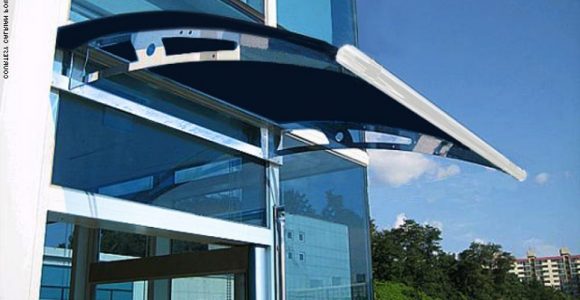
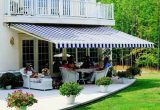
Awning definition, What is an awning? An awning is a cover made from canvas to sanctuary individuals or things from rain or sunlight, usually one will certainly use words awning about a roof-l...
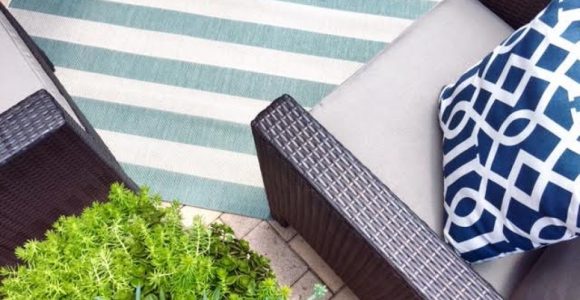


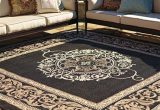
Frontgate outdoor rugs. These days embellishing does not have to be regarding custom-made, it could be regarding where to discover it currently and also exactly how to make it function for you. T...

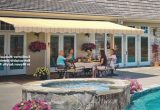
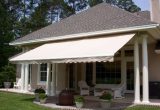


Retractable awning prices is influenced in various other means, too. On-line assemblers bill delivery costs, however this is more than balanced out by the reality they don't charge sales tax (bes...

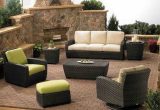
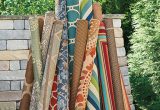
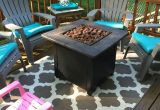
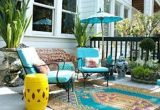
bed bath and beyond outdoor rugs (additionally called location rugs) not just include to the appearance of a space, yet likewise develop a setting including form, shade, and structure. Residence ...