Nuloom Outdoor Rugs
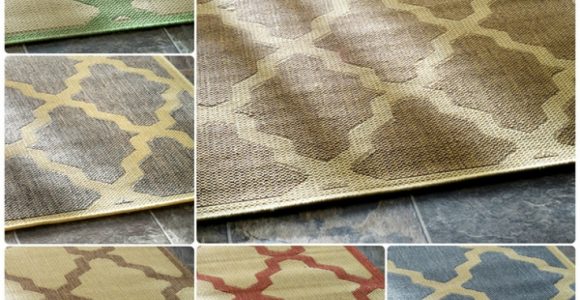


Nuloom Outdoor Rugs with pictures released for to offer the concepts to influence enhancing your home. This post of Nuloom Outdoor Rugs have of our collection pictures as well as gallery for embe...
Nuloom Outdoor Rugs with pictures released for to offer the concepts to influence enhancing your home. This post of Nuloom Outdoor Rugs have of our collection pictures as well as gallery for embe...
A concrete patio is one of the most versatile entertaining spaces in an Australian backyard, but the hard, smooth surface becomes a liability the moment it gets wet. A weighted outdoor rug is the simplest fix, yet many homeowners in Sydney, Brisbane and Perth have watched lighter mats skate across polished concrete during summer storms or after a quick rinse. Picking the best outdoor rugs for concrete patios to prevent slipping comes down to a mix of material grip, backing design and how well the textile copes with harsh UV, salt air and sudden downpours.
Alfresco living in Australia leans heavily on the back deck or courtyard between October and April, which means a rug here pulls double duty as a barefoot mat and a softener underfoot around the outdoor setting. Before the warmer months arrive, it pays to think about slip resistance ratings, drainage and how the rug will dry after a coastal morning mist or a wet-season downpour across the Top End.
Polished or broom-finished concrete looks tidy but offers very little friction for the rubber or PVC backing found on most imported mats. When water hits the surface, the rug floats on a thin film and any sideways pressure from a chair being dragged, a dog trotting past or a child running barefoot can send it skating. This pattern is especially common around the coastal suburbs of Bondi, Manly and Cottesloe, where sea spray keeps the surface damp for hours.
The hazard is also tied to temperature and humidity. In Melbourne and Adelaide, winter mornings leave dew sitting on concrete until mid-morning, and in Brisbane the high humidity after an afternoon storm keeps moisture on the floor long after the rain has stopped. A flat-weave rug with no anchoring slowly drifts toward the edges of the patio over a season, exposing bare concrete and creating trip lines right where people step.
Treating the floor as the slip risk, rather than the rug itself, makes the next decisions easier. Once the slab is recognised as smooth and reactive to moisture, weight, backing and pile texture move to the top of the shopping list.
Natural fibre rugs made from coir, jute and sisal have a toothy surface that bites into concrete better than slick synthetics, but they are highly absorbent and can stretch or grow mildew in humid climates. Most Australian homeowners end up choosing weather-tough polypropylene, which has a slightly waxy hand and a looped or textured weave that grips more reliably than flat PET or acrylic. Polyester, despite being soft and colour-rich, tends to be the slipperiest in wet conditions and is best avoided on open patios.
Recycled plastic weaves, common in coastal design stores from Noosa to Byron Bay, mimic the look of natural grass weave but dry in minutes and resist the salt air that corrodes metal patio furniture. A tight, low loop rather than a high shag is the smarter choice, as taller piles flatten under foot traffic and reduce the small contact surface that creates friction against concrete.
A few weaves consistently outperform the rest on smooth concrete, especially when paired with the right underlay.
Materials with the strongest grip on smooth slabs
The underside of a rug matters more on concrete than on timber decking. A bare fabric backing, common on budget imports, slides freely once wet. A textured latex or rubber backing bites into the microscopic roughness of broom-finished concrete and stays put, though it can leave a yellow ghost mark on dark concrete if left in full sun all summer, so rotating the rug every few weeks keeps the surface even.
For very smooth or newly sealed slabs, a separate non-slip rug underlay, sold by the metre in places like Bunnings and most carpet retailers, adds a second layer of grip. Open-weave underlays let water drain through, which prevents mildew on rainy evenings in Hobart or Geelong. Closed-cell foam works too on sheltered patios but can trap moisture against the slab.
Heavy outdoor rugs with a felted or dense recycled-fibre backing weigh more per square metre and stay anchored by gravity alone, though they are harder to lift for cleaning. Adding small outdoor-safe velcro tabs to the corners is a useful trick on polished concrete where even weighted rugs tend to creep during busy weekends.
Australia's UV index regularly passes 11 in summer, and any outdoor textile needs to be colourfast and UV-stabilised or it will fade within a single hot season. Look for solution-dyed polypropylene, where the colour is mixed into the fibre itself rather than printed on the surface, so the rug keeps its depth after several summers of harsh sun in places like Mildura, Broken Hill and Alice Springs.
Coastal patios are a separate category. Salt-laden air near Cairns, the Gold Coast and Fremantle breaks down unprotected fibres and corrodes cheap rubber backings within a couple of years. UV-resistant marine-grade backing, plus a quick rinse with fresh water every fortnight, keeps the rug honest and reduces the white salt bloom that dulls darker colours.
Drainage is another silent factor. A rug that holds water encourages mould underneath and stains the concrete, especially on covered patios where airflow is limited. Quick-dry weaves with a flat profile let water run off and let air circulate, which matters in the heavy rainfall zones around Innisfail and the Sydney basin during La Niña summers.
A rug should anchor the furniture group, not float in the middle of the slab. Choosing a size that places the front legs of the outdoor lounge and dining chairs on the rug adds downward weight and discourages migration. A 3 m × 2 m rug suits a four-seater setting on a typical Queenslander veranda, while a 2.4 m round works well under a bistro table on a small city courtyard in Sydney or Melbourne.
Edging matters just as much. Hand-bound or surged edges stop the weave from unravelling where the rug meets the leg of a chair that is dragged often. Unfinished edges fray quickly and can catch on smooth concrete, lifting the corner and starting the slip. A heavier bound edge also adds weight along the perimeter where the rug is most likely to flip when kids run across the patio.
On a bare concrete pad with no skirting, outdoor rugs for concrete patios to prevent slipping work best when the rug sits slightly under the edge of the outdoor setting or against a planter box. This subtle anchoring keeps high-traffic zones stable and creates a defined outdoor room that reads more like a living area than a carport off the side of the house.
Even the best outdoor rug drifts over time if neglected. A simple monthly routine keeps both the rug and the concrete underneath in good condition, and stops small wear marks from turning into bigger slip hazards when friends and family gather outside.
Monthly habits that protect grip and finish
A seasonal pest check around the patio edges helps too, since insects nesting under a heavy mat can damage the fibres and lift the corners. A seasonal pest check by a local service can flag any activity before it ruins the rug or the slab underneath it.
Colour choice affects both temperature and visibility. Pale, coastal-style stripes and sandy neutrals stay cooler underfoot in the western sun than charcoal or black, which absorb heat and can reach uncomfortable temperatures on a 38°C afternoon in Penrith, Echuca or Rockhampton. Patterned weaves also camouflage the inevitable dust, pollen and bird stains between cleans, which makes them a friend of low-maintenance households.
For a sharper architectural look common in newer Melbourne and Brisbane builds, a flat-weave geometric in greys and warm whites reads modern without feeling clinical. For a heritage Queenslander or a Californian bungalow renovation, a bordered sisal-look polypropylene softens the space and ties together indoor and outdoor tones for a relaxed coastal feel that suits long summer lunches.
Overhead shade makes any rug last longer on a concrete patio. A retractable pergola canopy reduces UV exposure during the hottest part of the day and keeps the rug dry during sudden summer storms, which is half the battle in extending the life of any outdoor textile on a polished slab.
Browse the French Creative collection for outdoor rugs sized to typical Australian patio footprints, and arrange a professional measure before the bushfire or wet season arrives. Pairing a textured polypropylene rug with a quality non-slip underlay and a simple shade structure gives any concrete patio the grip, comfort and longevity Australian entertaining spaces deserve.
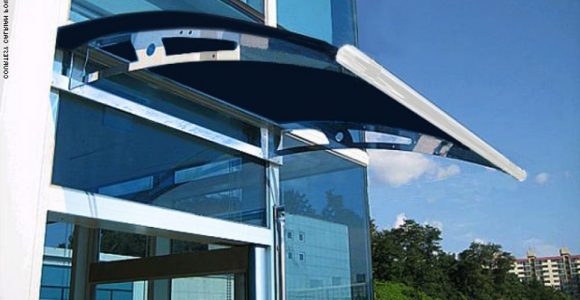
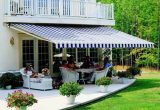
Awning definition, What is an awning? An awning is a cover made from canvas to sanctuary individuals or things from rain or sunlight, usually one will certainly use words awning about a roof-l...
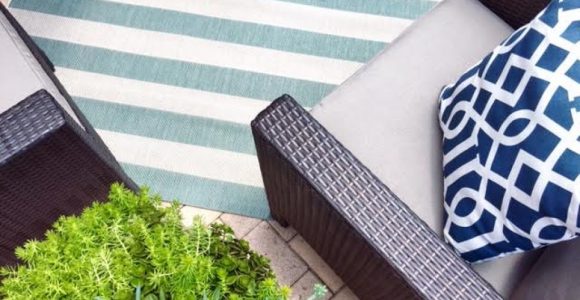


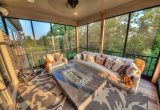
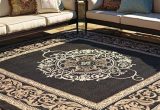
Frontgate outdoor rugs. These days embellishing does not have to be regarding custom-made, it could be regarding where to discover it currently and also exactly how to make it function for you. T...

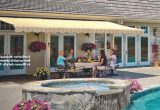
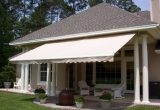


Retractable awning prices is influenced in various other means, too. On-line assemblers bill delivery costs, however this is more than balanced out by the reality they don't charge sales tax (bes...

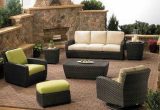
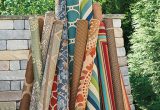
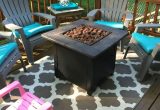
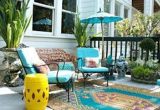
bed bath and beyond outdoor rugs (additionally called location rugs) not just include to the appearance of a space, yet likewise develop a setting including form, shade, and structure. Residence ...