Nuloom Outdoor Rugs
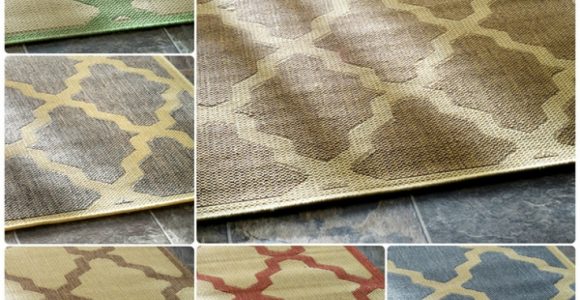


Nuloom Outdoor Rugs with pictures released for to offer the concepts to influence enhancing your home. This post of Nuloom Outdoor Rugs have of our collection pictures as well as gallery for embe...
Nuloom Outdoor Rugs with pictures released for to offer the concepts to influence enhancing your home. This post of Nuloom Outdoor Rugs have of our collection pictures as well as gallery for embe...
Traditional lawn gives children a place to run, but it can quickly become the most vulnerable part of an active backyard. Constant foot traffic compacts the soil, bare patches form around play equipment and pet routes, and irrigation struggles through Australian summers. Replacing grass does not mean sacrificing a welcoming outdoor room; it means choosing a surface that tolerates how your household really uses the space.
The right grass alternative depends on shade, soil, rainfall, pets and the amount of entertaining you host. It also depends on how much maintenance you genuinely enjoy. This comparison covers living groundcovers, synthetic turf and mineral or hardscape options, with practical guidance for conditions found from Sydney to Perth.
High-traffic lawns fail for two linked reasons: people wear down the grass crown, and compacted soil holds less water. Dogs add another pressure by digging and repeatedly following the same route. A thin strip beside a back door may look insignificant, but it becomes an obvious bare corridor once every weekend meal, school bag and football takes the same path.
Climate determines how hard that pressure becomes. Melbourne’s cool, wet winters encourage soft growth, while summer watering limits can prevent its recovery. Sydney’s intense UV and humid summers stress many fine lawn varieties, and Brisbane’s downpours encourage weeds in thin turf. Perth’s sandy soil and dry heat punish seed that has not established before the hottest weeks arrive.
Shade is equally important. Under a deck, beside a brick wall or beneath a mature eucalyptus, even a healthy lawn can thin because it receives too little light. Repeated watering and feeding may improve its colour without fixing the underlying traffic problem. The practical response is to reduce the lawn area, redirect movement and select a surface suited to each zone rather than forcing one finish across the whole yard.
Living alternatives soften the landscape and can provide habitat, but they generally tolerate less abuse than engineered surfaces. Their success depends on choosing plants suited to local rainfall, selecting an appropriate density and allowing the planting to establish before heavy use. A groundcover that looks delicate in a nursery may struggle where children and pets cross daily.
No-grass surfaces usually require more upfront work, yet they can handle regular movement and are easier to clean. Synthetic turf offers the closest visual and physical substitute for lawn, while gravel, paving and mulch create more distinct outdoor rooms. Consider drainage, accessibility, heat and cleaning before choosing, rather than comparing appearance alone.
Living options
Mineral and constructed options
Each option involves a compromise between appearance, durability, water use and maintenance. The strongest solution is often a combination: hard-wearing paving along the main route, synthetic turf where children need to run, and living plants around the edges. This approach preserves the relaxed character of a garden without expecting one material to perform every task.
Map how the backyard is used before selecting a finish. Identify the narrow route from the back door, the area occupied by a barbecue, the pet’s preferred path and the spot where children play. High-wear areas need firm, stable materials, while shaded corners can support a different planting style. Treating the entire yard as one surface often wastes money and produces an awkward mixture of finishes.
Local conditions should influence the final choice. A Melbourne household may prioritise a permeable surface that copes with winter rain, while a Brisbane family might need deeper edging to withstand heavier downpours. In Adelaide, drought-tolerant planting and surfaces that reduce irrigation demand are especially valuable. Coastal properties also need to account for salt-laden winds, stronger UV and sand blowing across exposed sections.
Backyards often become dining rooms, playrooms and laundry-drying areas. If yours hosts long summer lunches, prioritise a flat, cleanable surface near the kitchen and leave planted edges for softness. The community-centred approach illustrated by community food publishing offers a useful reminder that food-shaped spaces work best when people can gather easily; the same comfort applies to an outdoor meal zone in Australia.
Price per square metre is only the starting point. Synthetic grass prices vary with pile height, backing quality, colour and warranty, while the full cost may also include delivery, preparation, infill, edging and installation. Gravel appears inexpensive initially but can require excavation, a compacted base, restraints and regular top-ups. Paving similarly becomes more expensive when drainage, levelling and access are included.
Australian landscaping suppliers commonly sell turf and groundcover by area, but contractors often quote paving, irrigation and installation as separate scopes. Request a written breakdown that identifies exclusions, expected delivery times and who will arrange access through side gates. Product samples are valuable because colour and texture can look different under direct sun than they do in a showroom.
Keep product specifications separate from advertising. A search result may be polished yet irrelevant—a page promoting a casino reload bonus says nothing about Australian UV resistance or drainage. Verify relevant claims through current technical data, local suppliers and experienced installers rather than treating any online page as expert advice.
Good transitions make different surfaces look deliberate. Use consistent edging around lawns, paving and gravel, and connect colours through the house’s brick, roof tiles or interior finishes. Where turf meets stone, allow sufficient space for the edging without creating a trip hazard. Directional paving can also guide visitors towards an outdoor entertaining area.
Materials should support the wider home rather than appear as isolated patches. Shade cloth, an awning, patio furniture and coordinated planters can turn a practical surface into a comfortable outdoor room. For broader home design ideas, consider how the backyard connects with the kitchen, terrace and garden views before finalising the landscape plan.
Installation determines how long the surface lasts. Synthetic grass needs a firm, well-drained base and accurate joins, while gravel and paving must be compacted in suitable layers. For areas beside trees, remove problematic roots and prevent soil movement beneath the new surface. Ask synthetic turf suppliers for Australian UV-performance information and appropriate fire-performance documentation, particularly in bushfire-prone regions.
Begin with a tape-out rather than an immediate order. Mark the main traffic route, play zone and dining area on the ground, then leave the remaining space for planting or a surface that needs little wear. This makes the practical priorities visible and prevents a high-cost material from being installed where it will quickly be damaged.
Next, obtain samples and written quotes from at least two reputable local suppliers. Compare the complete installation cost, expected lifespan, maintenance requirements and warranty rather than focusing on the advertised price. If choosing synthetic turf, spend an hour testing different samples for comfort, heat and traction, especially in direct summer sun.
Choose one high-traffic route and replace it first, then observe how the household uses the yard before committing to the rest. By starting with a small, visible improvement, you can improve daily movement, reduce wasted lawn and create a backyard that remains comfortable through Australian summers.
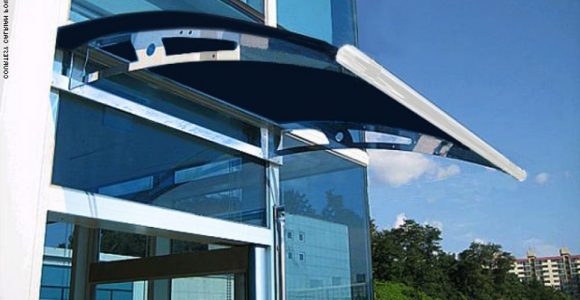
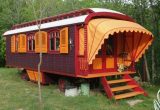
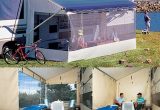
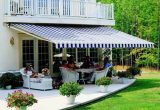
Awning definition, What is an awning? An awning is a cover made from canvas to sanctuary individuals or things from rain or sunlight, usually one will certainly use words awning about a roof-l...
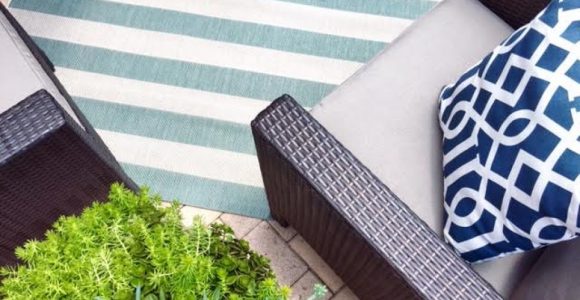


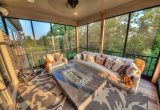
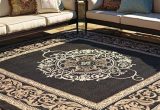
Frontgate outdoor rugs. These days embellishing does not have to be regarding custom-made, it could be regarding where to discover it currently and also exactly how to make it function for you. T...

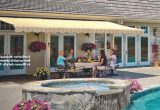
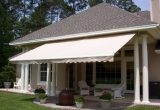


Retractable awning prices is influenced in various other means, too. On-line assemblers bill delivery costs, however this is more than balanced out by the reality they don't charge sales tax (bes...

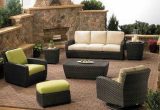
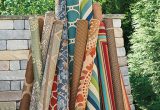
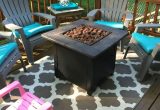
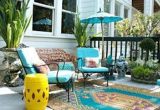
bed bath and beyond outdoor rugs (additionally called location rugs) not just include to the appearance of a space, yet likewise develop a setting including form, shade, and structure. Residence ...