Nuloom Outdoor Rugs
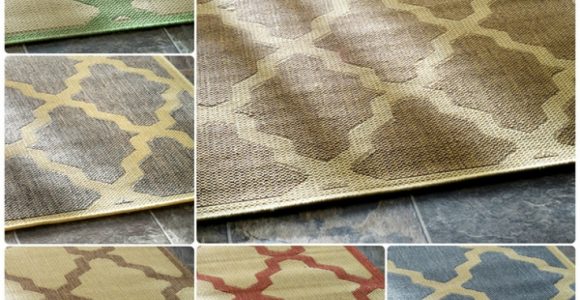


Nuloom Outdoor Rugs with pictures released for to offer the concepts to influence enhancing your home. This post of Nuloom Outdoor Rugs have of our collection pictures as well as gallery for embe...
Nuloom Outdoor Rugs with pictures released for to offer the concepts to influence enhancing your home. This post of Nuloom Outdoor Rugs have of our collection pictures as well as gallery for embe...
A gazebo can turn an unused section of garden, patio, or terrace into a comfortable outdoor room. It provides shade during hot weather, shelter from light rain, and a defined setting for dining, lounging, or entertaining. The frame material plays a major role in how well that structure performs over time.
Aluminum and steel are the two most common choices for permanent and semi-permanent gazebos. Both can support attractive roofs and practical outdoor layouts, but they respond differently to wind, moisture, impact, temperature changes, and long-term maintenance.
The most durable option depends on your local climate, the size of the gazebo, how often you use it, and whether you value low maintenance or maximum structural strength. Looking at those factors together makes the decision more useful than judging either material by its price alone.
Aluminum is naturally resistant to rust because it forms a thin protective oxide layer when exposed to air. This makes it particularly suitable for damp gardens, coastal properties, and patios where the frame may be exposed to frequent rain. A powder-coated finish adds color and another layer of protection against weathering.
The material is lightweight, which simplifies delivery and installation. Homeowners may find it easier to position an aluminum gazebo on a patio or prepare it for seasonal storage. Its lower weight also places less pressure on paving, decking, and other supporting surfaces.
Lightness has a trade-off. Aluminum is softer than steel, so thin sections can dent under strong impact or bend if exposed to unusually heavy loads. A quality model compensates with reinforced joints, wider posts, internal bracing, and a carefully engineered roof system. Low-cost aluminum gazebos may be less resistant to severe wind than their appearance suggests.
Steel offers greater tensile strength and rigidity than aluminum. This makes it a dependable choice for large gazebos, enclosed outdoor rooms, and structures that need to support heavier roofing materials. A properly engineered steel frame is less likely to flex when exposed to strong gusts or accumulated snow.
The extra weight can improve stability, especially when the posts are securely anchored to a concrete slab or substantial footings. A steel gazebo often feels more solid when people move around inside it, and the frame can accommodate robust screens, curtains, lighting systems, ceiling fans, or mounted heaters.
Rust is the main concern. Scratches, damaged welds, and exposed cut edges can allow moisture to reach the steel beneath its protective coating. Galvanized steel and high-quality powder coating reduce this risk, but they do not eliminate the need for inspection. Steel is most durable when water does not pool around the posts and small coating failures are repaired promptly.
A strong frame cannot compensate for poor anchoring. Wind often causes gazebo damage by lifting or twisting the whole structure rather than breaking individual posts. Bolting the base plates to a suitable concrete foundation is usually more reliable than placing a lightweight structure directly on paving slabs.
Roof design also affects longevity. A pitched roof sheds rain and snow more effectively than a flat canopy, while a vented roof can reduce uplift pressure during gusty conditions. Polycarbonate panels, fabric canopies, metal sheets, and composite roofing each place different demands on the frame. Always check the manufacturer’s wind and snow-load ratings before buying.
Joints deserve close attention. Bolted connections should be tight and made from compatible hardware, while welded areas need a consistent protective finish. Galvanic corrosion can occur when dissimilar metals remain in contact in wet conditions, so washers, coatings, and drainage details matter. A durable gazebo is a complete system, not simply a collection of thick posts.
For ideas about coordinating a gazebo with paving, planting, and outdoor furniture, homeowners can browse French Creative for practical approaches to improving residential living spaces.
The following comparison highlights the typical performance of each material. Construction quality varies considerably between manufacturers, so specifications and warranties should always be reviewed alongside these general characteristics.
| Feature | Aluminum Gazebo | Steel Gazebo |
|---|---|---|
| Rust resistance | Excellent; does not rust, though finishes can deteriorate | Depends on galvanizing and coating quality |
| Structural strength | Strong for its weight, but more prone to bending or dents | Very high rigidity and load-bearing capacity |
| Weight | Lightweight and easier to assemble or relocate | Heavy, which improves stability but complicates installation |
| Wind performance | Reliable with reinforced design and firm anchoring | Excellent when properly engineered and anchored |
| Snow-load capacity | Suitable when rated for the expected conditions | Often better for heavy snow and permanent structures |
| Maintenance | Usually limited to cleaning and finish checks | Requires inspection for scratches, rust, and coating damage |
| Coastal suitability | Generally very good with marine-grade hardware | Requires strong corrosion protection |
| Typical appearance | Clean, modern, and refined | Solid, substantial, and available in many finishes |
| Repair considerations | Dents and bent sections may require replacement | Rust treatment and repainting may be possible |
In a rainy or humid region, aluminum can offer a simpler ownership experience. It will not develop red rust, and routine cleaning is often enough to preserve its appearance. Coastal homeowners should still look for corrosion-resistant fasteners because salt can attack screws, brackets, and mixed-metal connections even when the main frame is aluminum.
Steel can perform extremely well in wet environments when it is hot-dip galvanized or protected with a durable powder coating. However, coastal air, standing water, and frequent scratches create a more demanding maintenance routine. A steel gazebo placed close to the sea needs careful attention to drainage and fastener quality.
Cold climates with heavy snowfall may favor steel, particularly for a large permanent gazebo with a solid roof. Its stiffness provides a useful margin for substantial snow loads. Aluminum remains suitable for many snowy areas when the structure has a documented load rating, a sloped roof, and adequate support spacing.
High-wind regions require a closer look at engineering rather than a simple material preference. A poorly anchored steel gazebo can fail, while a well-anchored aluminum design may perform well. Check certified wind ratings, foundation requirements, post dimensions, roof vents, and the recommended procedure for removing fabric panels before storms.
Aluminum generally needs little maintenance beyond washing dirt, pollen, and bird residue from the frame. A mild soap solution and soft brush can protect the finish without scratching it. Inspecting the structure twice a year helps identify loose bolts, damaged seals, bent components, or movement at the base.
Steel needs the same cleaning routine plus closer coating inspections. Look around welds, corners, drainage points, and areas where furniture or tools might have caused impact damage. If a scratch exposes bare metal, clean and seal it with a compatible touch-up product before moisture creates corrosion beneath the finish.
Both materials can last for decades when they are correctly specified and maintained. The canopy or roof covering may need replacement sooner than the frame, especially if it is made from fabric. UV exposure, trapped moisture, wind movement, and poor winter storage often shorten the life of covers, screens, and curtains.
Warranty terms can reveal how confidently a manufacturer stands behind the product. Look for separate coverage details for the frame, finish, roof, hardware, and fabric. A long frame warranty is useful, but it should not distract from practical requirements such as foundation preparation and seasonal care.
Aluminum is often the better fit for a modest patio gazebo, a coastal garden, or a homeowner who wants a contemporary structure with limited upkeep. It is also attractive when access to the installation area is narrow or when the gazebo may need to be repositioned. Choose a model with thick-walled posts, reinforced corners, and a clear wind rating rather than selecting solely by appearance.
Steel is usually preferable for a large, fixed gazebo intended for regular use throughout the year. It suits properties that need a sturdy frame for heavier roofing, outdoor kitchens, privacy screens, or mounted accessories. The foundation must be planned properly, and the protective finish should be treated as an essential performance feature rather than a decorative extra.
Budget should include more than the purchase price. Consider delivery, ground preparation, assembly, anchoring hardware, roof installation, maintenance products, and possible replacement parts. A cheaper frame may become expensive if it requires frequent coating repairs or cannot support the roof and accessories you want.
A good purchase decision starts with the intended use. Occasional summer shade places different demands on a gazebo than a permanent dining area with glazing, heaters, lighting, and furniture. Measure the site, assess exposure to wind and snow, and confirm local planning or building requirements before ordering.
A durable gazebo should feel integrated with the property rather than added as an afterthought. Coordinate its roof color with the home, use paving or decking that provides a stable base, and allow enough space for water runoff and routine access around the posts.
Aluminum delivers corrosion resistance, lightness, and straightforward care, while steel provides exceptional rigidity and load capacity. When the frame is well designed and correctly anchored, either material can create a dependable outdoor retreat. Review your climate, structure size, maintenance expectations, and foundation conditions, then select the gazebo that supports how you plan to live outside.
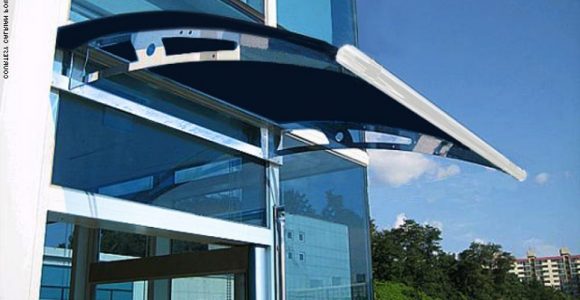
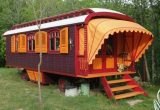
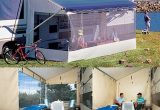
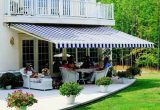
Awning definition, What is an awning? An awning is a cover made from canvas to sanctuary individuals or things from rain or sunlight, usually one will certainly use words awning about a roof-l...
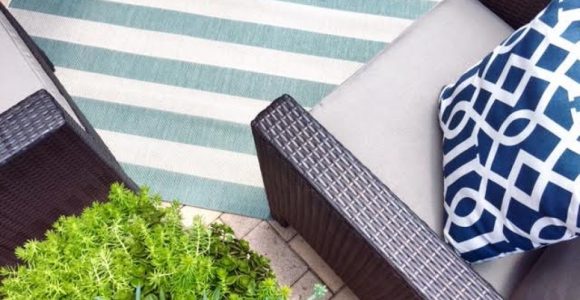


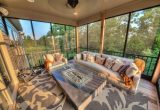
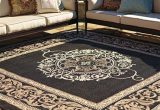
Frontgate outdoor rugs. These days embellishing does not have to be regarding custom-made, it could be regarding where to discover it currently and also exactly how to make it function for you. T...

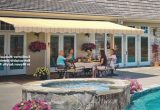
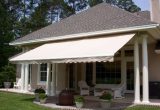


Retractable awning prices is influenced in various other means, too. On-line assemblers bill delivery costs, however this is more than balanced out by the reality they don't charge sales tax (bes...

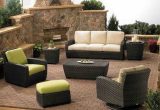
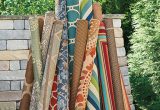
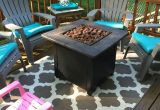

bed bath and beyond outdoor rugs (additionally called location rugs) not just include to the appearance of a space, yet likewise develop a setting including form, shade, and structure. Residence ...