Nuloom Outdoor Rugs
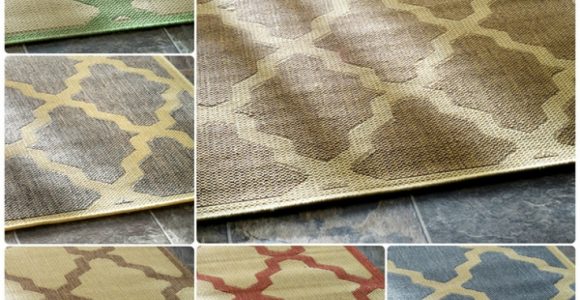



Nuloom Outdoor Rugs with pictures released for to offer the concepts to influence enhancing your home. This post of Nuloom Outdoor Rugs have of our collection pictures as well as gallery for embe...
Nuloom Outdoor Rugs with pictures released for to offer the concepts to influence enhancing your home. This post of Nuloom Outdoor Rugs have of our collection pictures as well as gallery for embe...
A well-designed fence does much more than mark a property line. It frames a garden, improves privacy, protects outdoor living areas, and gives the entire home a more finished appearance. The right material, colour, and installation details can make a modest budget stretch much further than expected.
High-end style usually comes from proportion and consistency rather than expensive components. Clean lines, carefully spaced panels, coordinated planting, and a considered gate can turn simple boundary fencing into an intentional part of the landscape design.
Before choosing a product, consider the fence’s main purpose. Privacy screens, decorative garden dividers, pet-friendly barriers, and front boundary fencing each require different heights, levels of strength, and maintenance commitments. A practical choice can still look elegant when it suits the property.
Horizontal timber-look fencing has become popular because its long lines make a garden feel wider and more contemporary. It can be created with affordable treated boards, composite-effect panels, or timber slats fixed to sturdy posts. Keeping the gaps consistent is essential; uneven spacing quickly makes a budget fence look unfinished.
Vertical boards offer a more traditional appearance and work well with cottages, period homes, and leafy gardens. For a refined effect, use a simple repeated rhythm rather than mixing too many board widths. A dark stain, soft grey paint, or deep green finish can provide a sophisticated backdrop for planting.
Slatted screens are useful where complete privacy is unnecessary. They allow light and air to pass through while defining a patio, side passage, or outdoor dining zone. Narrow battens fixed across a solid frame can resemble custom joinery at a much lower cost, especially when used selectively instead of along the whole boundary.
Pressure-treated softwood is often the most accessible fencing material. Its natural grain can be enhanced with a quality exterior stain, while opaque paint creates a more architectural look. Although inexpensive boards may vary in texture, sorting them before installation and placing the best faces outward can improve the finished result.
Metal fencing can also offer strong visual value. Simple powder-coated steel panels, welded mesh, or black aluminium rails create a crisp outline around front gardens and contemporary homes. Pairing metal with masonry posts or gravel landscaping gives the boundary a tailored appearance without requiring elaborate decorative ironwork.
Composite fencing costs more at the initial stage than basic timber, but it can be worthwhile where low maintenance is important. Many products imitate wood while resisting rot, fading, and regular repainting. Use composite panels for the most visible sections and a more economical material at the sides or rear to control the overall spend.
Colour is one of the fastest ways to make inexpensive fencing appear deliberate. Black and charcoal create a dramatic background for pale paving, ornamental grasses, and green foliage. Warm brown stains support natural garden schemes, while muted sage, olive, and blue-grey shades can soften a long boundary.
A single colour across the fence, posts, gate, and key garden structures produces visual unity. If the property includes a pergola, awning, or patio furniture, repeating one finish helps the outdoor space feel designed as a complete room. Avoid applying several competing wood tones, as this can make even costly materials look disconnected.
Finishing details deserve attention. Use substantial-looking posts, concealed or colour-matched fixings, and a gate that aligns with the panel design. A narrow gravel strip, raised planter, or low masonry edge can hide rough ground conditions at the base of the fence. For a patio project that needs to remain economical, these budget gravel patio ideas can help create a polished transition between paving and the boundary.
| Fencing Option | Typical Cost Level | Visual Character | Maintenance Needs | Best Use |
|---|---|---|---|---|
| Treated softwood boards | Low | Warm, adaptable, traditional or modern | Re-staining or repainting | Side and rear boundaries |
| Painted timber slats | Low to medium | Custom, architectural, decorative | Periodic surface care | Privacy screens and patios |
| Welded mesh with posts | Low to medium | Minimal, contemporary, lightweight | Low, with rust checks | Front gardens and pet areas |
| Powder-coated metal panels | Medium | Crisp, durable, high-end | Very low | Modern entrances and short boundaries |
| Composite-effect panels | Medium to high | Consistent, polished, wood-inspired | Low | Privacy fencing and visible elevations |
| Timber and masonry combination | Medium | Substantial, tailored, premium | Moderate | Front boundaries and feature walls |
A tall solid fence delivers immediate seclusion, but a long uninterrupted wall can feel severe. Breaking it up with planting makes the boundary more welcoming and can reduce the amount of expensive screening required. Evergreen shrubs, climbers, ornamental grasses, and compact trees each provide a different level of coverage.
Where space is limited, train climbing plants across a trellis mounted in front of the fence. This adds texture without taking much ground area, although the structure must be strong enough to support mature growth. Choose plants according to sunlight, soil, and local climate rather than selecting solely for rapid coverage.
For properties that need year-round screening, a carefully selected hedge may be more attractive than extending a tall fence. This guide to fast-growing hedge plants can help with choosing greenery that establishes quickly while supporting a softer garden atmosphere. Keep plants far enough from the fence for pruning access and airflow.
The largest savings often come from planning rather than choosing the cheapest product. Measure the boundary accurately, identify changes in level, and decide where privacy is genuinely needed. A full-height fence around every edge may be unnecessary when a lower decorative barrier works at the front or beside a patio.
Use premium materials as accents. A striking gate, a short section behind an outdoor seating area, or a well-finished entrance panel can provide the focal point. Standard panels can then be used in less visible stretches. This approach creates a custom appearance while keeping material costs under control.
Installation also affects the final look. Posts must be correctly aligned, set at consistent depths, and protected from ground moisture. Panels should follow the site’s levels cleanly rather than appearing to rise and fall randomly. If professional installation is outside the budget, hiring help for post setting or difficult corners may be more valuable than paying for expensive decorative panels.
A fence looks most expensive when it belongs to the landscape around it. Repeat its colour in planters, outdoor cushions, lighting, or window trim. Match the scale of the panels to nearby features: narrow slats suit modern paving, while broader timber boards work with substantial planting and rustic materials.
Lighting can also transform a simple boundary after dark. Wall-mounted fixtures, low-level spike lights, or concealed illumination beneath a cap rail can highlight texture and improve safety. Warm white light is generally more welcoming than very bright cool lighting, particularly around seating and dining areas.
Consider how the fence relates to paving, lawns, and garden structures. A dark boundary can make pale stone stand out, while a lighter timber finish can brighten a shaded courtyard. The boundary should support the outdoor room rather than compete with it, especially when the garden already includes a gazebo, awning, or decorative feature wall.
Before installation, check local planning rules, shared-boundary responsibilities, and any restrictions on fence height. Neighbours may also need to be consulted where access, drainage, or replacement work affects both properties. Resolving these details early helps prevent expensive changes later.
A high-looking finish also depends on maintenance. Wash accumulated dirt from panels, clear soil away from timber posts, tighten loose hardware, and repair damaged coatings promptly. Even inexpensive fencing can remain attractive for years when small defects are addressed before they spread.
Use this checklist when comparing affordable boundary solutions:
Affordable fencing can look high-end when every visible decision is coordinated. A restrained palette, reliable construction, thoughtful planting, and a well-proportioned gate will usually create more impact than ornate materials used without a clear plan.
Begin by sketching the boundary, marking privacy zones, and comparing finishes beside the home’s exterior. Select a practical base material, then invest in the details that people notice most: alignment, colour, entrances, and the transition into the garden.
With careful planning, a fence becomes part of the property’s character rather than an afterthought. Choose the approach that fits your home, gather accurate measurements, and turn the boundary into a polished feature of your outdoor living space.
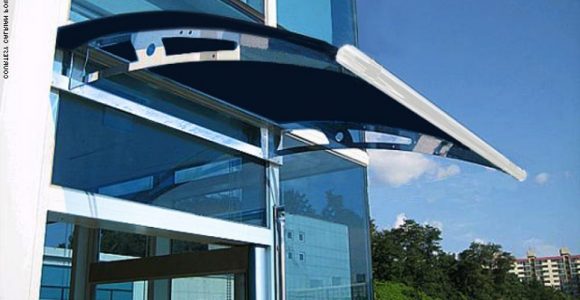
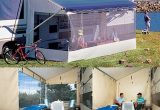
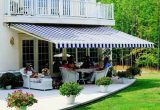
Awning definition, What is an awning? An awning is a cover made from canvas to sanctuary individuals or things from rain or sunlight, usually one will certainly use words awning about a roof-l...
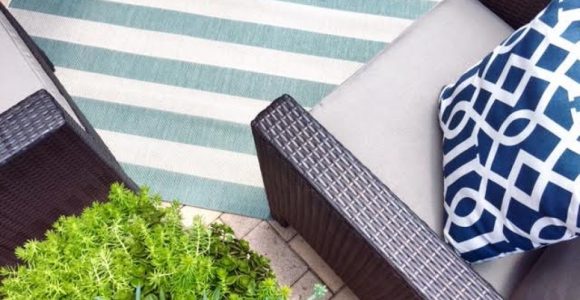


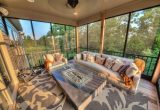
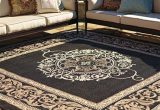
Frontgate outdoor rugs. These days embellishing does not have to be regarding custom-made, it could be regarding where to discover it currently and also exactly how to make it function for you. T...

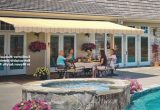
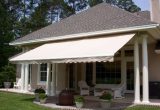


Retractable awning prices is influenced in various other means, too. On-line assemblers bill delivery costs, however this is more than balanced out by the reality they don't charge sales tax (bes...

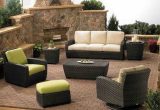
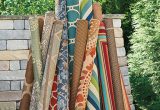
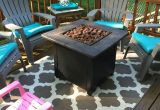
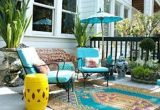
bed bath and beyond outdoor rugs (additionally called location rugs) not just include to the appearance of a space, yet likewise develop a setting including form, shade, and structure. Residence ...