Nuloom Outdoor Rugs
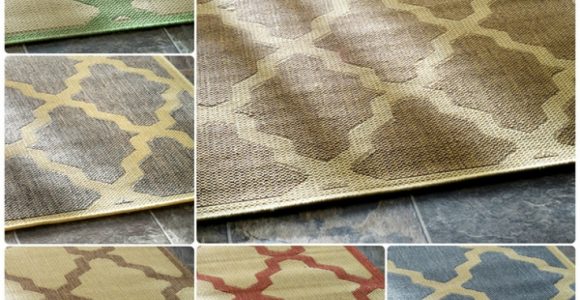



Nuloom Outdoor Rugs with pictures released for to offer the concepts to influence enhancing your home. This post of Nuloom Outdoor Rugs have of our collection pictures as well as gallery for embe...
Nuloom Outdoor Rugs with pictures released for to offer the concepts to influence enhancing your home. This post of Nuloom Outdoor Rugs have of our collection pictures as well as gallery for embe...
A patio can be more than a place for outdoor dining or a few weatherproof chairs. With the right water feature, it becomes a calmer, cooler space where the sound of moving water softens traffic, conversation and the general bustle of daily life. Even a compact courtyard can benefit from this gentle sensory change.
The best design is rarely the largest one. A thoughtfully positioned bowl, wall fountain, pond or narrow rill can provide visual interest without taking over the entertaining area. It should complement the paving, outdoor rug, furniture and planting already in place, while remaining practical for the Australian climate.
Before choosing a style, consider how the feature will work with your patio. The following options suit different properties, budgets and maintenance preferences.
| Water feature | Best suited to | Main advantages | Points to consider |
|---|---|---|---|
| Freestanding bowl | Small courtyards and balconies | Simple installation, flexible placement | May need frequent topping up |
| Wall fountain | Narrow patios and townhouse courtyards | Saves floor space, creates a focal point | Requires a suitable wall and waterproofing |
| Pond or planted basin | Larger gardens | Supports aquatic plants and wildlife | More cleaning and mosquito management |
| Bubbling urn | Contemporary entertaining areas | Quiet, sculptural and easy to style | Pump and power access are essential |
| Recirculating rill | Long patios and landscaped edges | Adds movement and a premium finish | Higher installation cost |
A water feature also brings practical benefits. Moving water can help mask nearby road noise, while a shaded basin may make a hard-paved area feel less stark during summer. In Brisbane, where warm and humid conditions encourage algae, filtered recirculating systems are often easier to manage than still ponds. In Melbourne, it is worth choosing a pump and materials that can cope with cooler, changeable weather.
The Australian market offers everything from affordable resin urns at major hardware retailers to custom stonework installed by a landscape designer. A local council may have requirements for electrical work, drainage, fencing around deeper ponds or alterations near heritage homes. Checking these details early prevents an attractive idea from becoming an expensive complication.
The shape and scale of the patio should guide the design. A small courtyard benefits from vertical interest, so a wall-mounted fountain or slim ceramic vessel may be more effective than a low pond. On a broad suburban terrace, a rectangular rill can define the edge of a dining zone and create a stronger connection between the paving and garden.
Think about sightlines from inside the house as well. A feature visible through bi-fold doors or a kitchen window will provide value throughout the year, rather than only when the patio is being used. The sound should be pleasant from nearby seating, but not so forceful that it competes with conversation or music.
Materials should relate to the existing exterior. A rendered wall pairs naturally with a simple stone spout, while a timber-lined deck may suit a dark metal bowl or textured ceramic pot. For inspiration on combining decorative elements with a cohesive outdoor setting, browse French Creative ideas before settling on a final look.
Outdoor water features receive constant exposure to sun, wind, rain and airborne dust. Glazed ceramic can bring colour and character, but low-quality finishes may fade or crack. Natural stone is durable and beautifully irregular, although some porous varieties can stain or develop mineral marks around the waterline. Stainless steel, galvanised metal and quality composite products are useful for contemporary patios where clean lines matter.
Sun protection is especially important in places such as Perth and Adelaide, where intense summer heat can increase evaporation and warm the water quickly. Positioning the basin beneath a pergola, shade sail or established tree will reduce water loss and help protect pumps. Avoid placing it directly beneath messy trees unless you are prepared to remove leaves regularly.
Pool-grade or outdoor-rated electrical components should be installed by a licensed electrician. Cables need protection from moisture, pets and garden tools, and the power point should be positioned safely away from splash zones. Solar pumps can reduce running costs in sunny locations, but their flow may vary with cloud cover and shade, so they are not always ideal when a consistent sound is important.
The character of moving water depends on the height and speed of the flow. A gentle trickle suits a quiet reading corner, while a bubbling urn provides a more contained, rhythmic sound for an entertaining space. A broad cascade can be dramatic, but it may create more splash and require careful positioning near paving, cushions and outdoor furniture.
Planting can make the feature feel integrated rather than added as an afterthought. Australian natives such as lomandra, dianella and bird’s nest fern can soften hard edges, while grasses create movement around a low basin. Avoid placing excessive leaf litter over the water, and select plants according to local conditions rather than relying on species that need constant irrigation.
Subtle lighting extends the feature into the evening. A warm, low-voltage spotlight directed at the falling water can create reflections without producing glare. Underwater lighting should be used sparingly and installed according to safety requirements. In a Sydney or Melbourne courtyard, reflected light from a pale wall can be enough; a large illuminated system may feel unnecessarily theatrical.
A tranquil feature should not become a daily chore. Recirculating water systems use the same supply repeatedly, but evaporation still means that topping up will be necessary during hot weather. Fine filters catch debris, while a pump with the correct flow rate helps prevent stagnant areas. Follow the manufacturer’s cleaning schedule rather than waiting for the water to become cloudy.
Mosquito control deserves particular attention across Australia. Any basin with still, shallow water can become a breeding point, especially during warm and wet periods. Keep water moving, remove organic debris and use products approved for ornamental ponds when appropriate. Deeper ponds may also need barriers or other safety measures, particularly in homes where young children visit.
Use the following checks before purchasing or commissioning a feature:
Water restrictions vary by state and can affect how a feature is filled or maintained. A small recirculating bowl generally uses far less water than a large open pond, particularly when it is protected from wind. If your property is in a bushfire-prone area, keep surrounding planting tidy and avoid creating dense, dry vegetation around electrical equipment or structures.
Placement determines whether the water feature feels useful or merely decorative. Set a bubbling bowl near a lounge chair if you want its sound to be prominent, or place it farther from the dining table if conversation is the priority. A feature beside a pathway can provide a pleasant arrival moment, while one at the patio edge can draw the eye towards a garden bed or distant view.
Leave enough room to move around it comfortably. Furniture should not force people into a narrow passage, and splashing should not reach timber decking, slippery tiles or fabric cushions. A low bowl may work beautifully beside a sofa, but it should be stable and heavy enough to withstand accidental knocks, pets and strong coastal winds.
The surrounding details complete the atmosphere. Layered planting, textured pavers, a weather-resistant outdoor rug and comfortable seating can turn the patio into a genuine retreat. In coastal areas such as the Gold Coast or Newcastle, choose corrosion-resistant fittings and rinse salt residue from exposed surfaces. In inland locations, dust-resistant finishes and easy-clean surfaces may be the higher priority.
The most successful water feature supports the way your household already uses the patio. It can cool the visual feel of a sun-baked entertaining area, soften the geometry of new paving or provide a focal point beyond an outdoor dining setting. Its success depends less on size than on proportion, sound, safety and a realistic maintenance plan.
Start by observing the patio at different times of day. Notice where the sun falls, where people naturally sit, how wind moves through the space and which view you want to enhance. Then compare a few feature types, request installation costs from local professionals and check any council or electrical requirements before work begins.
Choose the bowl, fountain, pond or rill that fits your climate, architecture and routine, then style the surrounding patio so the water feels like a natural part of the home. A carefully planned installation can make outdoor living quieter, cooler and more inviting for years to come.
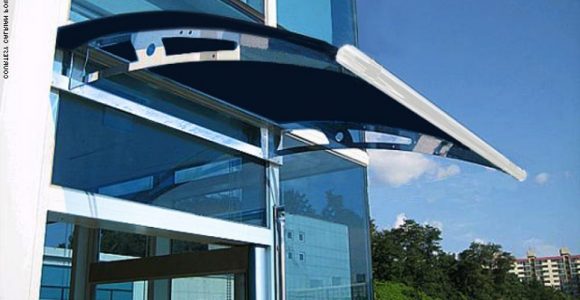



Awning definition, What is an awning? An awning is a cover made from canvas to sanctuary individuals or things from rain or sunlight, usually one will certainly use words awning about a roof-l...
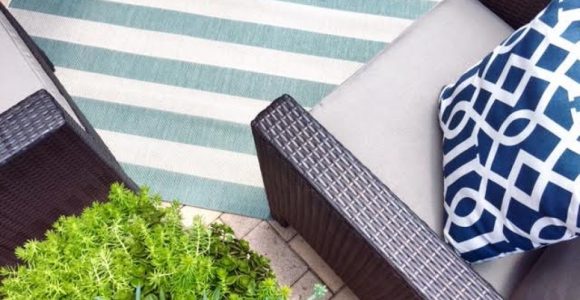


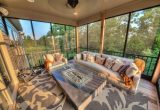

Frontgate outdoor rugs. These days embellishing does not have to be regarding custom-made, it could be regarding where to discover it currently and also exactly how to make it function for you. T...





Retractable awning prices is influenced in various other means, too. On-line assemblers bill delivery costs, however this is more than balanced out by the reality they don't charge sales tax (bes...

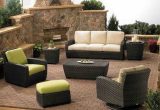



bed bath and beyond outdoor rugs (additionally called location rugs) not just include to the appearance of a space, yet likewise develop a setting including form, shade, and structure. Residence ...